Virtual simulation for training on machinery and equipment: benefits and applications
Discover how virtual simulation and virtual reality improve training on industrial machinery, reducing errors, costs, and operational risks.
Virtual simulation for training on machinery and equipment: benefits and applications
The role of virtual simulation in training on the use of equipment is becoming increasingly central in the digital transformation processes of industrial companies. The growing complexity of machinery, the automation of production lines, and the need to reduce errors and accidents require more advanced training models compared to traditional methods.
In this context, virtual reality simulations represent an advanced tool for transferring operational skills in a safe, measurable, and highly realistic way. Thanks to the combination of 3D models, real-time engines, and immersive systems, companies can recreate complex industrial environments and allow operators to gain practical experience before working on real machinery. This approach accelerates learning, reduces operational risk, and improves the overall quality of technical training.
The role of virtual simulation in equipment training
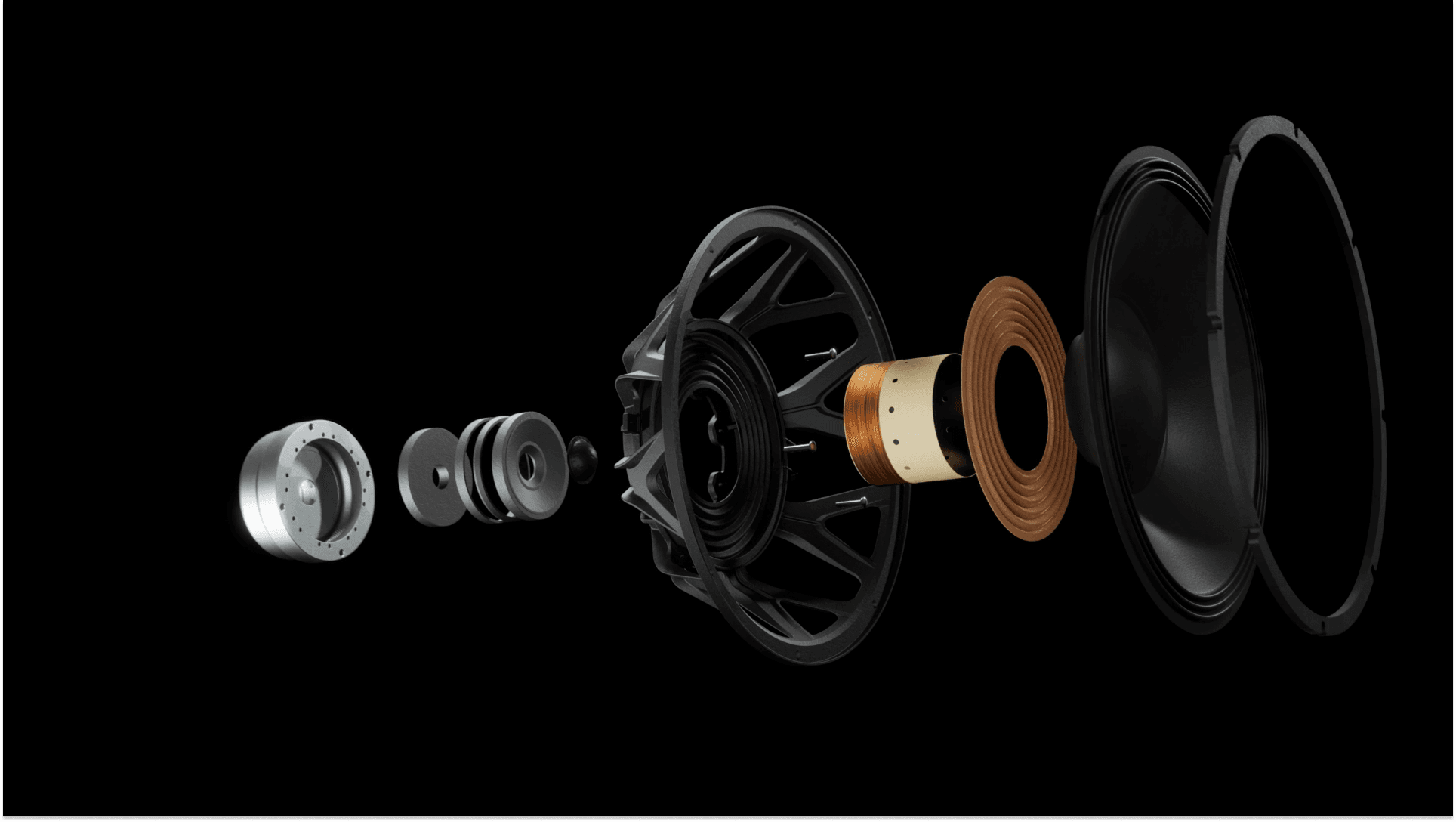
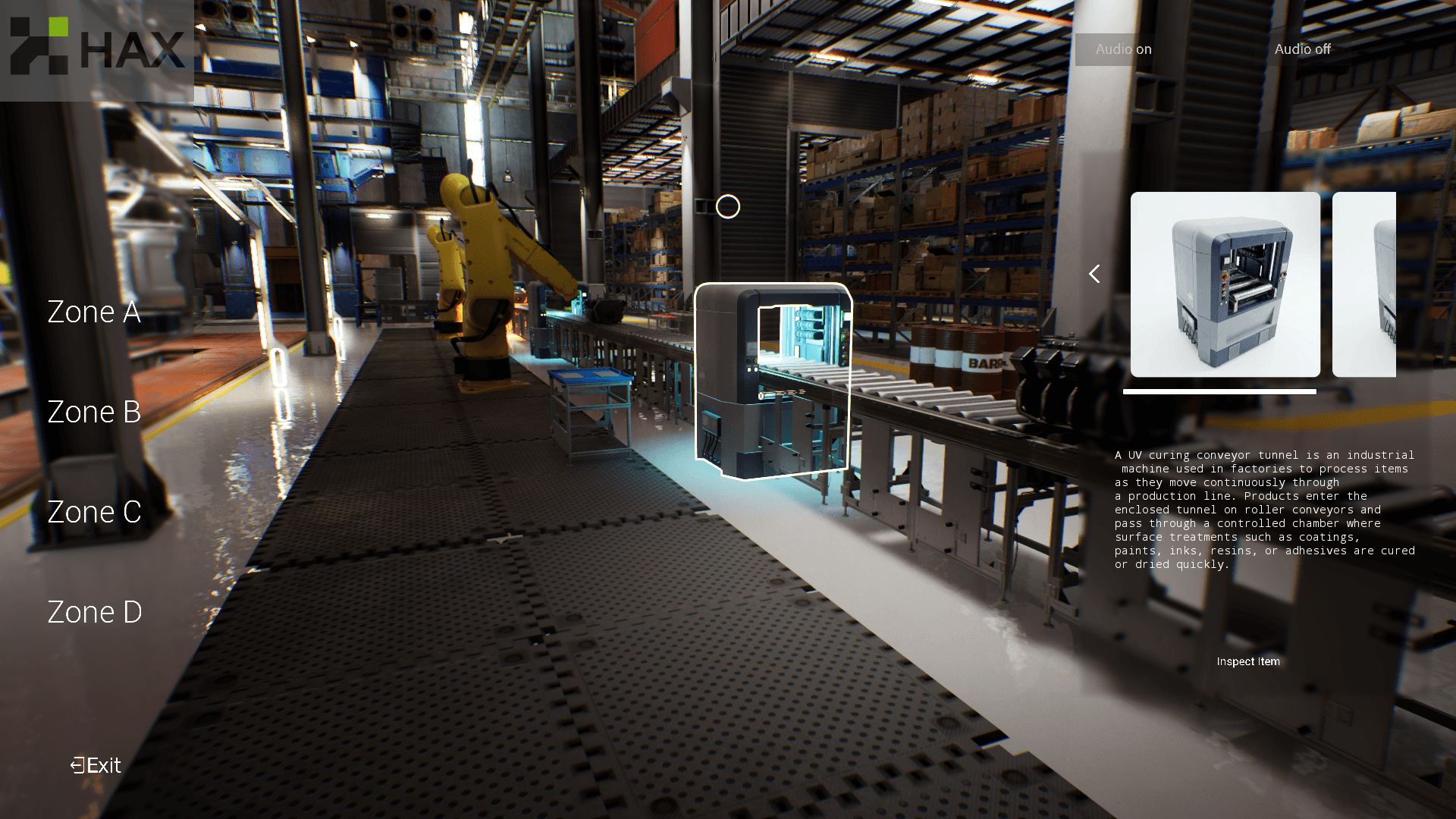
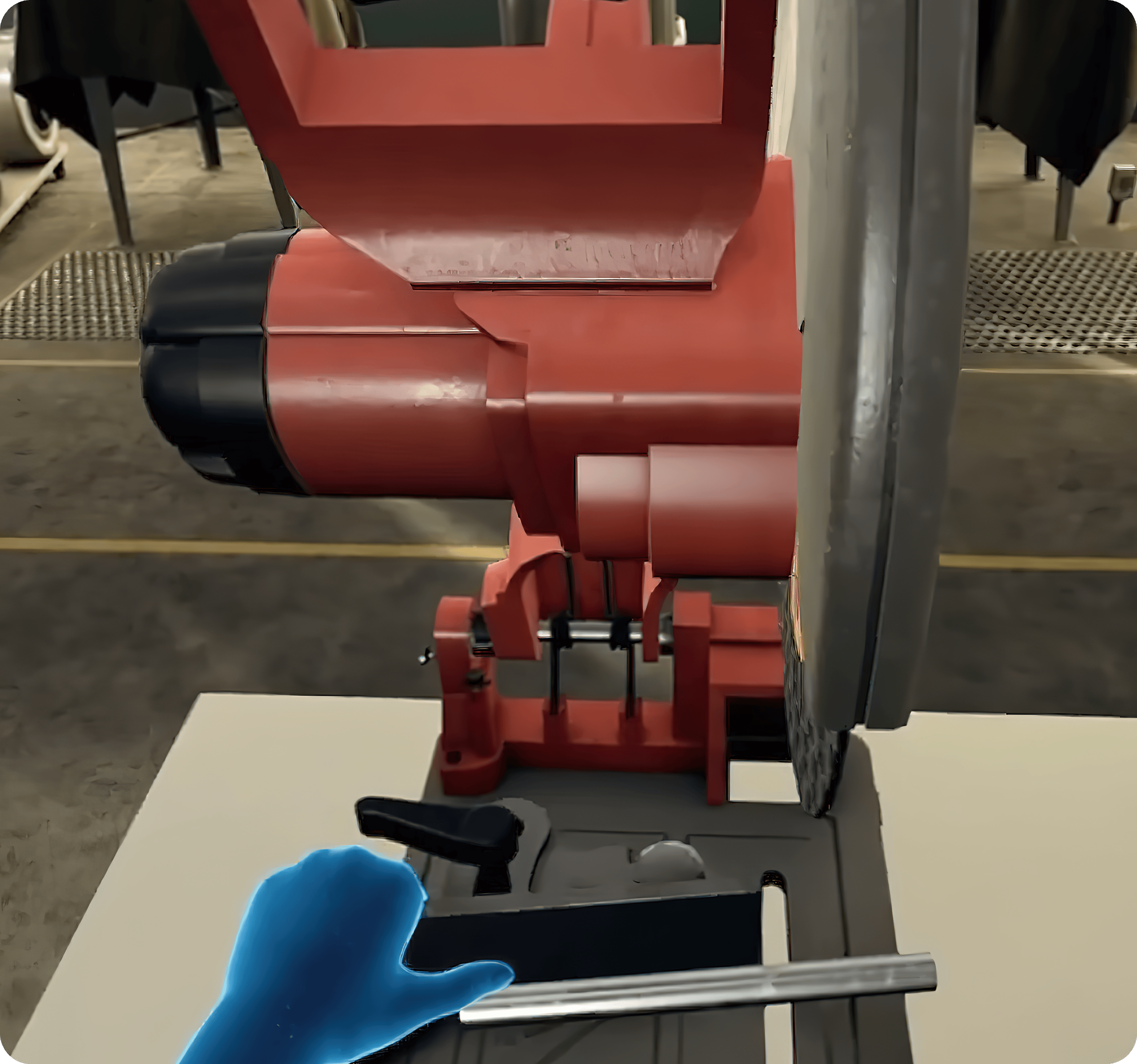
Virtual simulation makes it possible to recreate three-dimensional industrial environments where operators and technicians can interact with complex machinery without being exposed to real risks. Through interactive 3d simulations, operational procedures, startup sequences, routine maintenance, and anomaly management can be reproduced.
The role of virtual simulation in equipment training is not limited to simply visualizing the machine: the user performs actions, receives real-time feedback, and experiences the consequences of their decisions. This approach increases learning effectiveness and strengthens procedural memory. VR simulations also make it possible to integrate kinematics, physical behaviors, and realistic operating logic, ensuring consistency between the digital environment and the real plant.
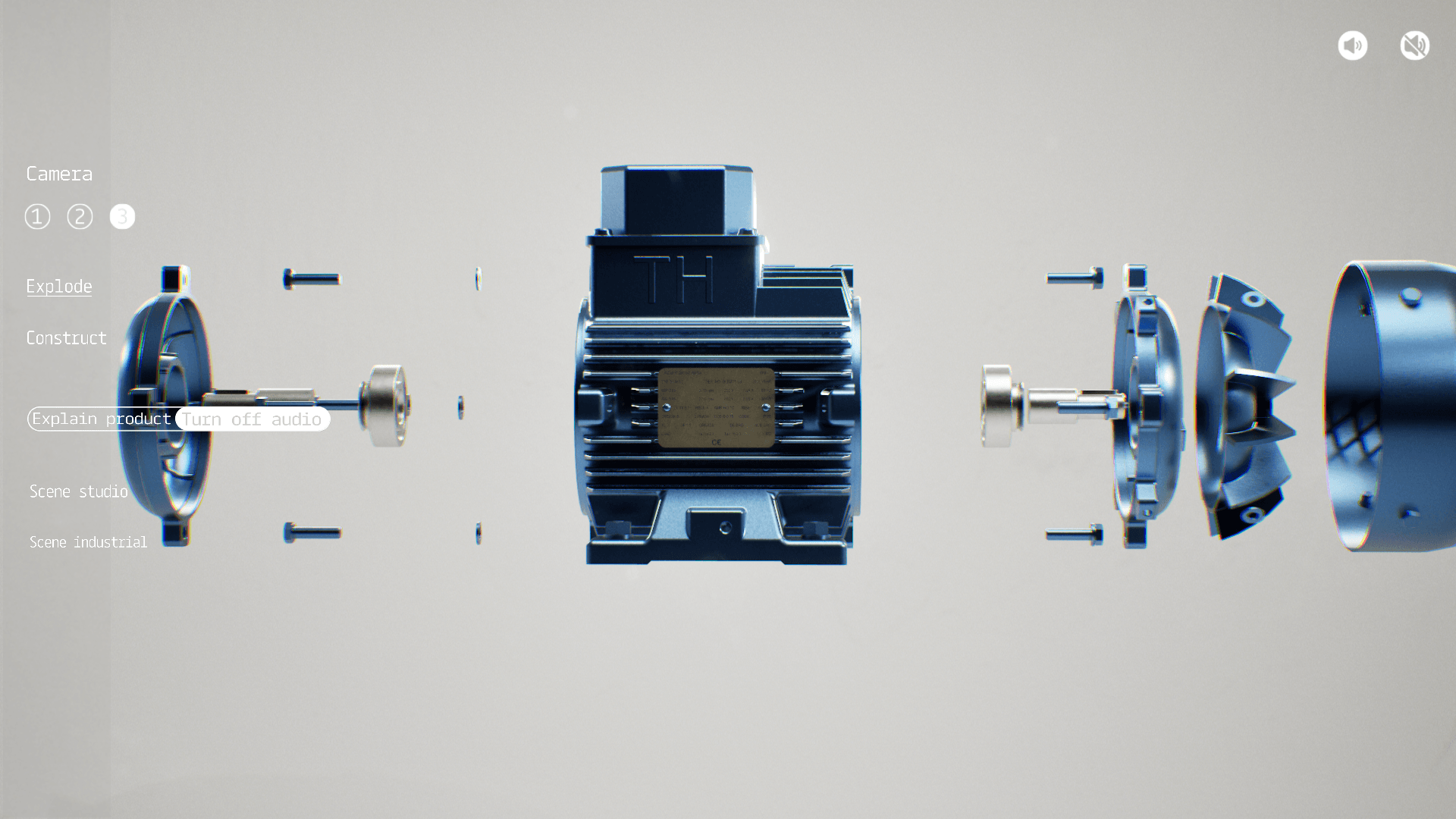
A further development of this technology is the use of industrial digital twins, which are digital replicas of machinery and plants that allow the simulation of real operational scenarios. This makes it possible to test procedures, verify configurations, and train operators on complex systems even before they are physically installed.
Immersive virtual reality training: how it works
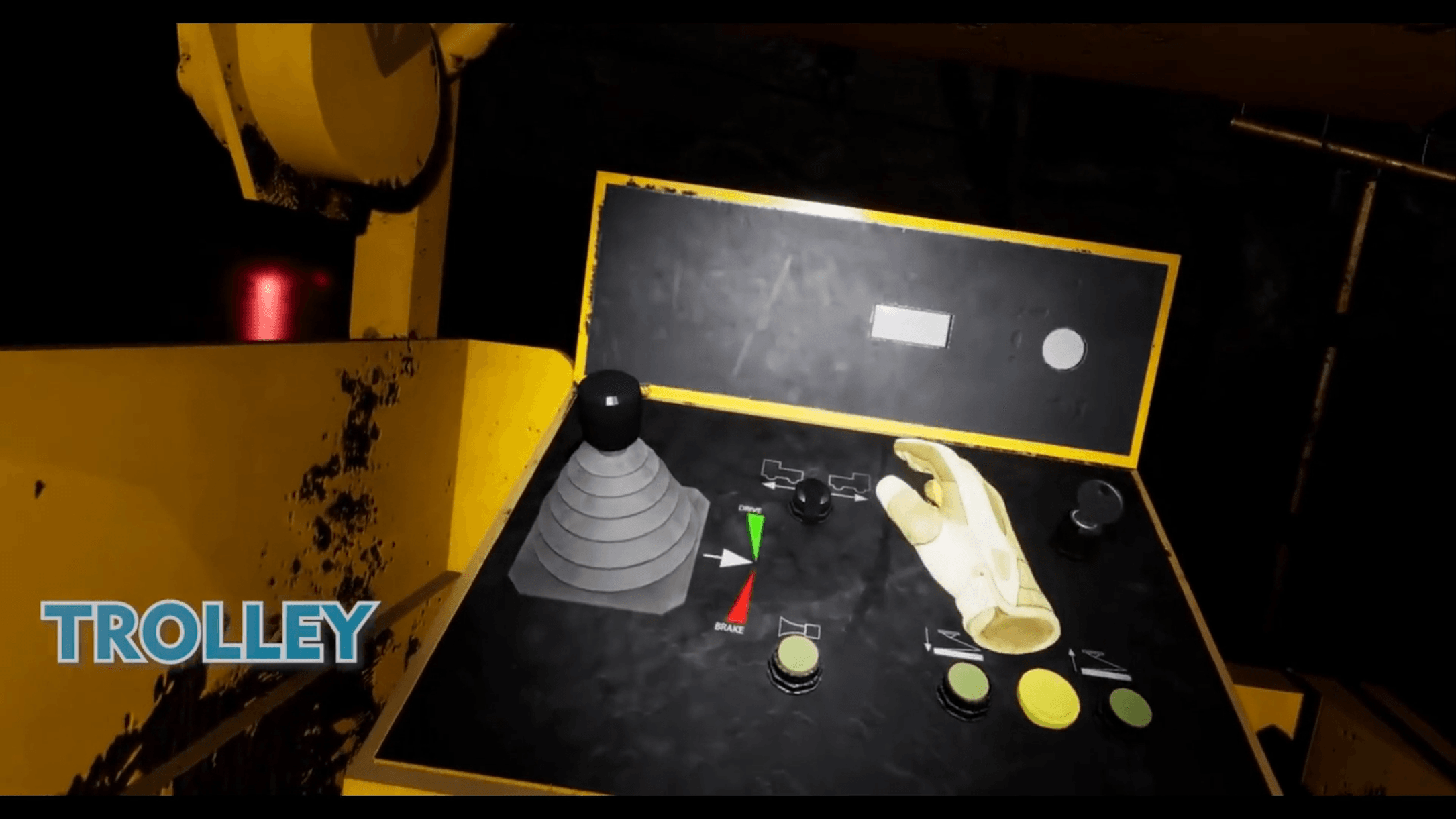
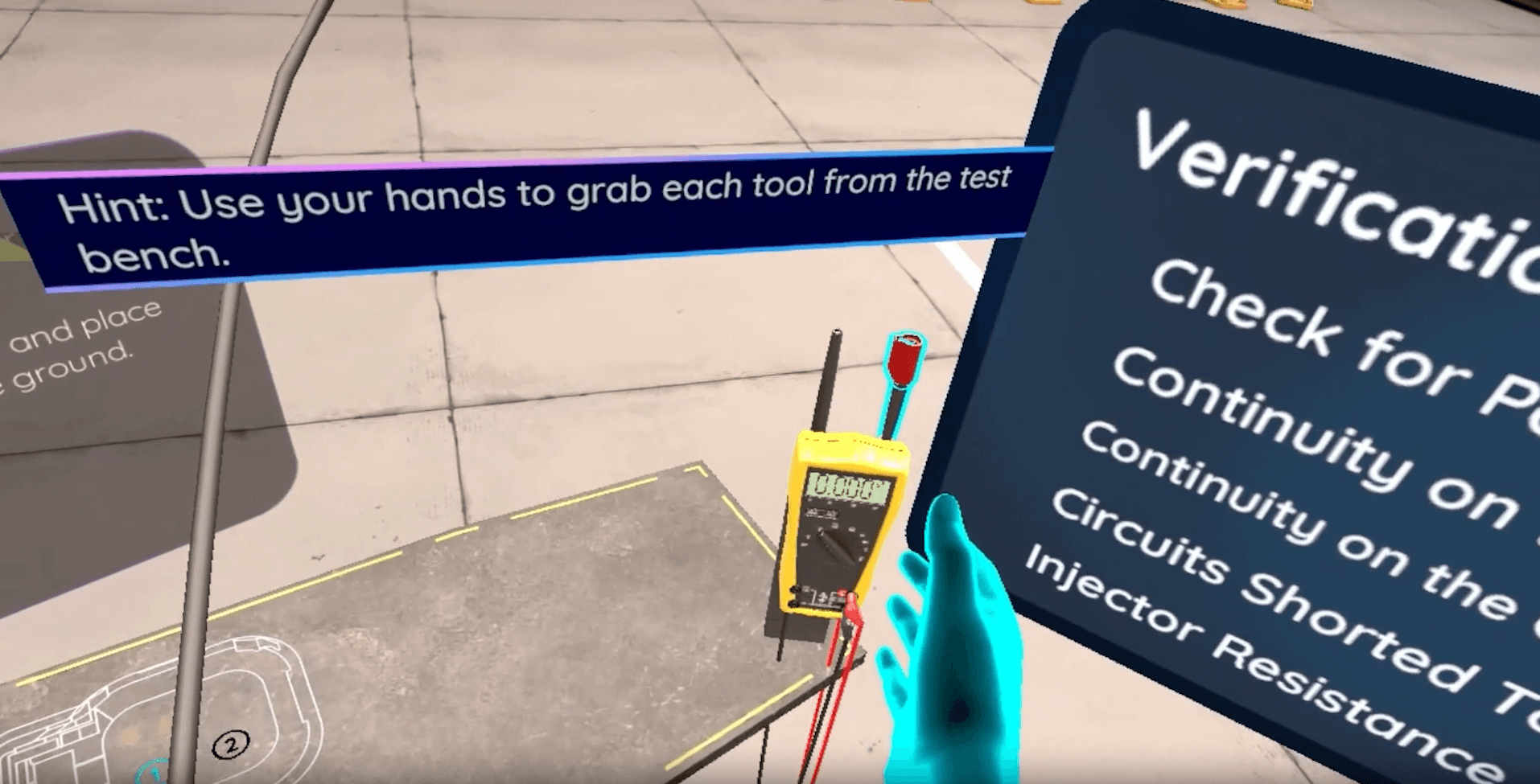
Immersive virtual reality training uses VR headsets and real-time environments to immerse the operator in industrial scenarios at real scale. The user can move within the space, manipulate components, interact with control panels, and follow guided procedures. Simulations are developed using real-time graphics engines that allow smooth interaction with the environment and accurately replicate the behavior of industrial systems.
Virtual reality simulations are particularly effective in the following contexts:
- training on highly complex technical machinery
- training in high-risk environments
- simulations of emergencies and critical failures
- preparation for the startup of new production lines
- onboarding of new operators and specialized technicians
In these cases, the possibility of training without stopping production or compromising safety represents a strategic advantage. Companies can also integrate VR training with learning management systems (LMS), creating structured training paths that combine theory, practical simulation, and skills assessment.
Benefits of virtual reality training for companies
The benefits of virtual reality training are concrete and measurable.
Reduction of operational errors
Learning through immersive simulations improves decision-making capabilities and reduces the likelihood of errors during the real use of equipment. Operators can practice complex procedures until they reach an adequate level of proficiency.
Greater safety
VR simulations allow critical scenarios — failures, malfunctions, accidents — to be reproduced without any risk to personnel. This allows operators to be prepared for emergency situations that would be difficult to simulate in the real world.
Cost optimization
Training on real machinery involves costs related to machine downtime, supervision, and equipment wear. 3d simulations drastically reduce these factors, allowing companies to train more personnel in less time and with fewer resources.
Repeatability and personalization
Immersive virtual reality training makes it possible to repeat exercises indefinitely and adapt scenarios to the different skill levels of operators. This makes it possible to create progressive and highly personalized learning paths.
Performance monitoring
By integrating tracking systems, companies can analyze execution times, errors, and training progress, making the training quantitatively measurable. The collected data makes it possible to identify critical issues in operational processes and continuously improve training programs.
Practical applications of industrial 3D simulations
3D simulations are used in numerous industrial sectors:
- energy and chemical plants
- automated manufacturing production
- industrial logistics and material handling
- oil & gas sector
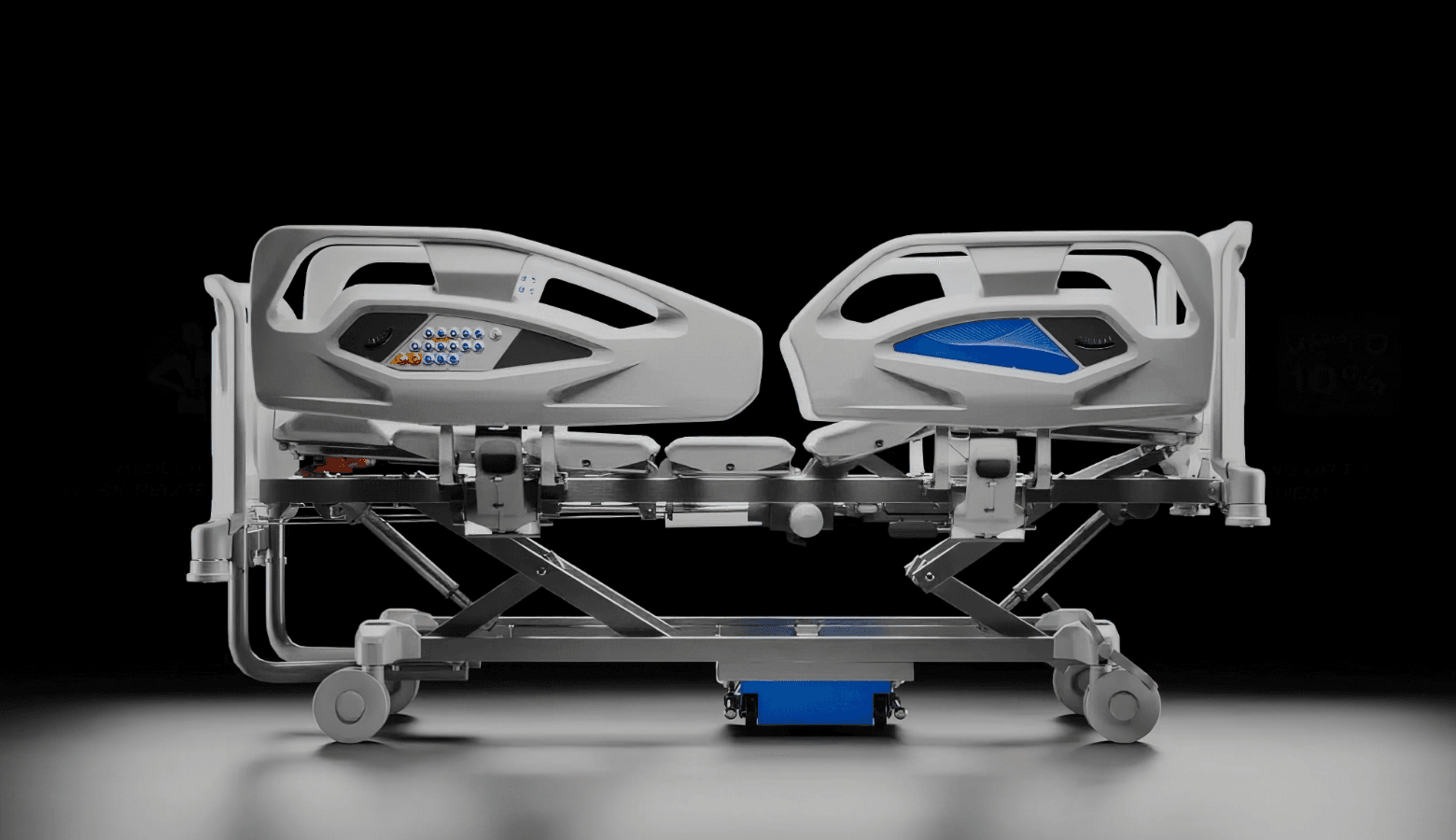
- medical machinery and complex devices
- railway and infrastructure sector
Another advantage is the possibility of using existing CAD models as the basis for virtual reality simulations, ensuring technical precision and design consistency.
This approach significantly reduces the development time of simulations while maintaining a high level of technical accuracy. In addition, simulations can be used not only for training but also for commercial presentations, technical demonstrations, and design support. Discover the immersive virtual reality training experience that we at Ophir developed for the mining sector

Why virtual simulation is a strategic lever
Today, the role of virtual simulation in training on the use of equipment goes beyond simple teaching. It is a strategic lever that impacts safety, productivity, and business competitiveness. Companies that adopt immersive virtual reality training improve the quality of training, reduce operational risk, and accelerate the transfer of skills.
In an industrial context oriented toward efficiency and digitalization, VR simulations represent a key element of technological transformation. The ability to combine immersive simulations, operational data, and digital models allows companies to develop more advanced training systems that can adapt to future needs.
Investing in 3D simulations and immersive environments means building a training system that is more solid, scalable, and aligned with the needs of contemporary industry. Contact us for a free consultation!
FAQ
What are industrial technical simulations?
Technical simulations are three-dimensional digital environments that replicate machinery, industrial plants, and production processes. They allow operators and technicians to understand how equipment works and practice operational procedures in a safe and realistic way.
What is immersive simulation used for in industrial machinery training?
An immersive simulation for industrial machines is used to train operators on complex equipment. Through virtual reality and 3D models, it is possible to simulate operations, maintenance tasks, and procedures without using the real machine.
What is an industrial immersive simulation?
An industrial immersive simulation is an interactive virtual environment that uses technologies such as virtual reality, digital twins, and 3D graphics to recreate realistic operational scenarios inside industrial plants.
How does an industrial safety simulator work?
A safety simulator reproduces critical situations such as failures, emergencies, or accidents within a controlled virtual environment. This allows operators to train in risk management and improve operational preparedness.
What are the benefits of immersive simulations for technical training?
Immersive simulations improve practical learning, reduce risks during training, and allow exercises to be repeated multiple times. They also help companies reduce costs related to machine downtime and training on real equipment.
Contact us!