Product animation is growing: the key trends for 2026
Product animation is growing: discover 2026 trends, the benefits of 3D animation, and how to use it in marketing to boost engagement and conversions.
Product animation is growing: the key trends for 2026
In a context where user attention is increasingly fragmented and competition between brands is extremely high, product animation offers a clear advantage: it allows brands to explain, engage, and persuade in just a few seconds. This is not just a trend, but a concrete response to the evolving needs of a market where brands must communicate increasingly complex, technological, or customized products.
At Ophir Studio, we have been creating 3D product animations, product explainer videos, and photorealistic animated content for over 8 years, designed to enhance functionality, design, and brand identity. In this article, we explain why product animation is growing, what the main benefits are, and which trends are reshaping the industry, helping you understand when and how to integrate it into your marketing strategy.
Product animation is growing: why it’s happening
The growth of product animation is driven by several key factors.
1. The way people consume content has changed: short, visually powerful videos perform better than long texts or static images, especially across digital and social channels.
2. Many products cannot be explained effectively through traditional photography. Internal mechanisms, technical materials, assembly processes, and digital or software-based functionalities are often invisible. Animated product videos, especially 3D animations, make the invisible visible, simplifying complex concepts and increasing both understanding and engagement.
3. Animation answers the growing need for scalability: a single 3D asset can be reused across multiple touchpoints, from e-commerce and advertising campaigns to trade shows and sales presentations.
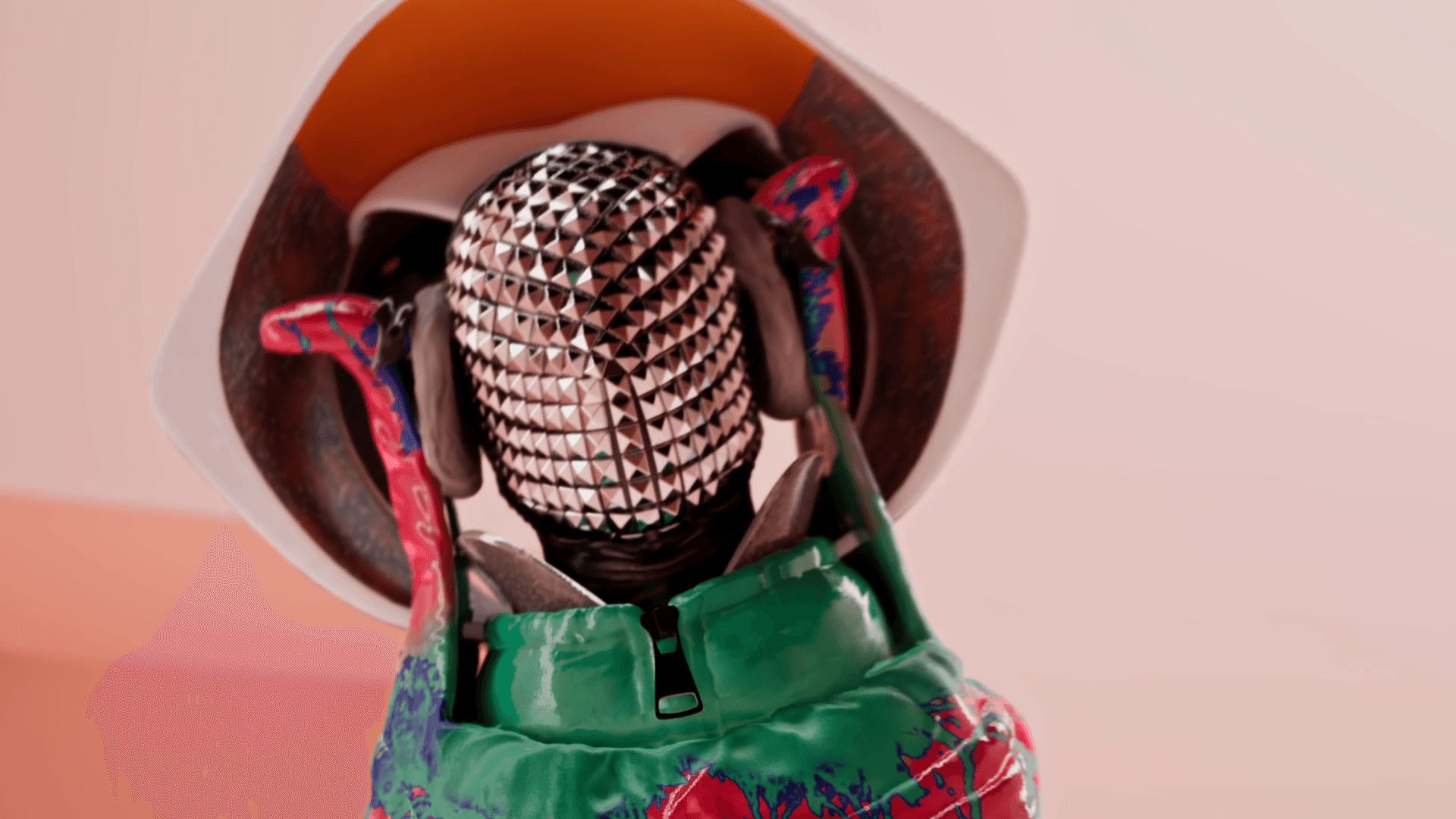
Take a look at the product animations we created for Devart. The same 3D asset was used for social content, the website, and the brand’s virtual showroom.
https://www.ophirstudio.com/it/portfolio/gioielli-contenuti-3d-interattivi-devart
Types of product animation
3D product animation
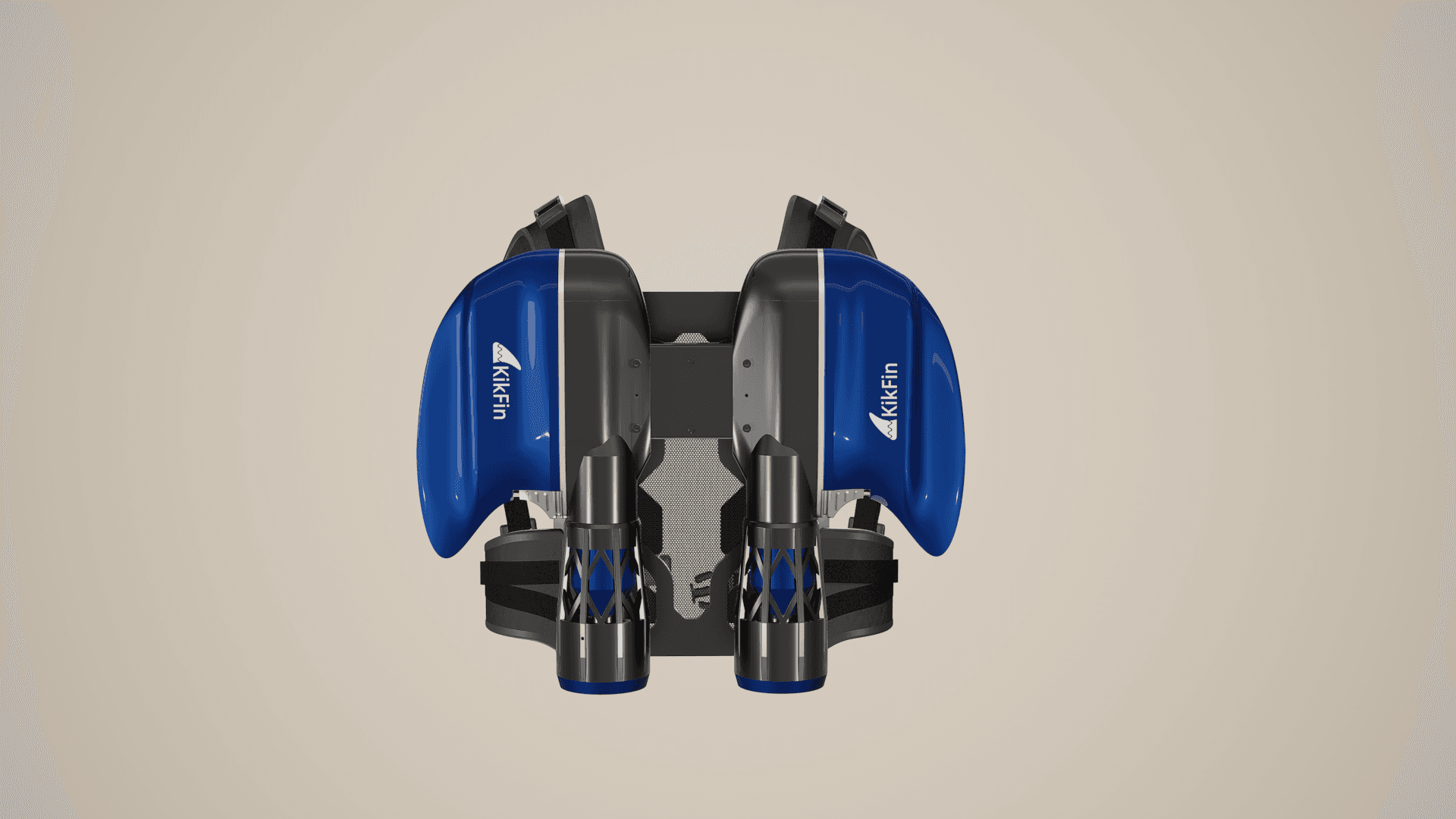
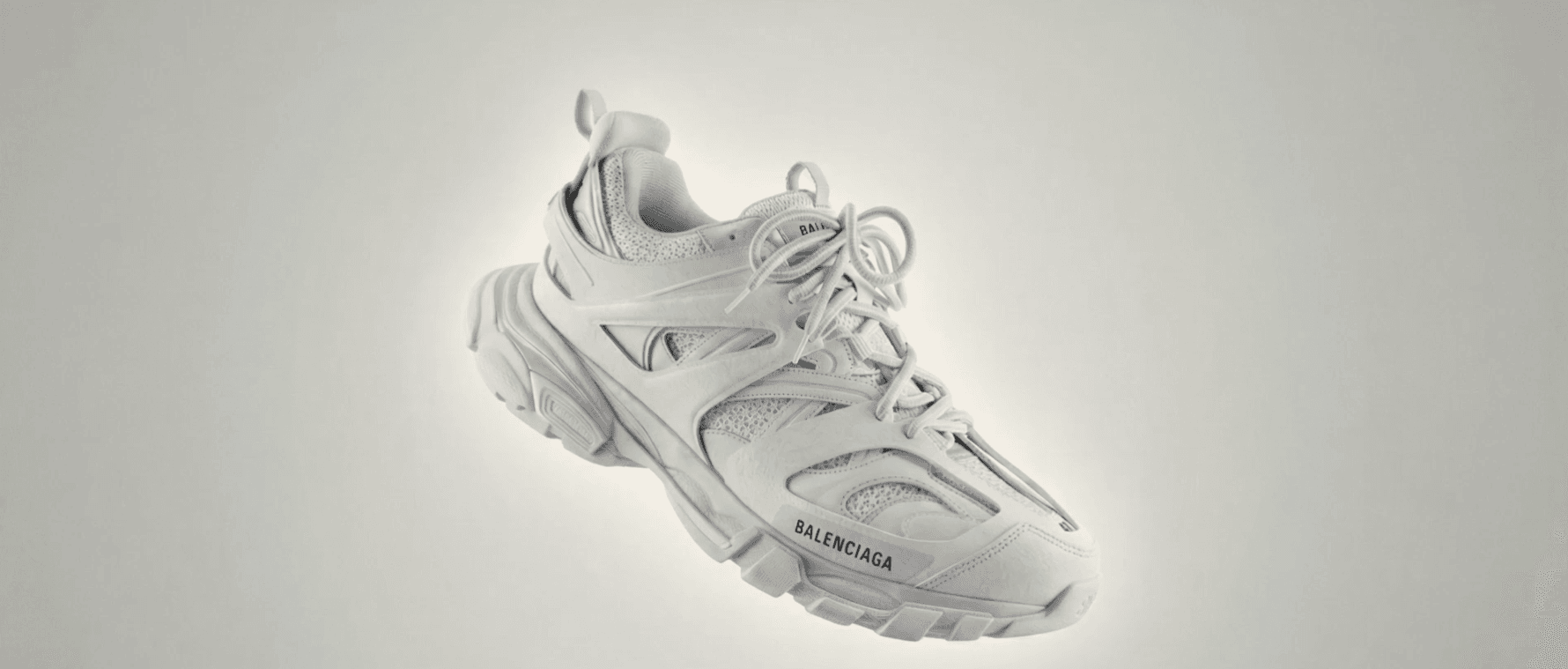
3D product animation allows products to be represented in a realistic and highly detailed way. It is ideal for showcasing materials, surfaces, internal mechanisms, and assembly processes. Discover Ophir Studio’s 3D product animation service.
2D animated videos and explainers
2D animated videos are designed to explain complex concepts in a simple and immediate way. Thanks to a more illustrative storytelling approach, they are particularly effective for software, digital services, and explainer videos focused on message clarity.
Motion graphics
Motion graphics combine graphic design, typography, and animation to communicate key data and information. They are especially suited for presentations, social campaigns, and educational content, where guiding the user’s attention is essential.
Section animations and exploded views
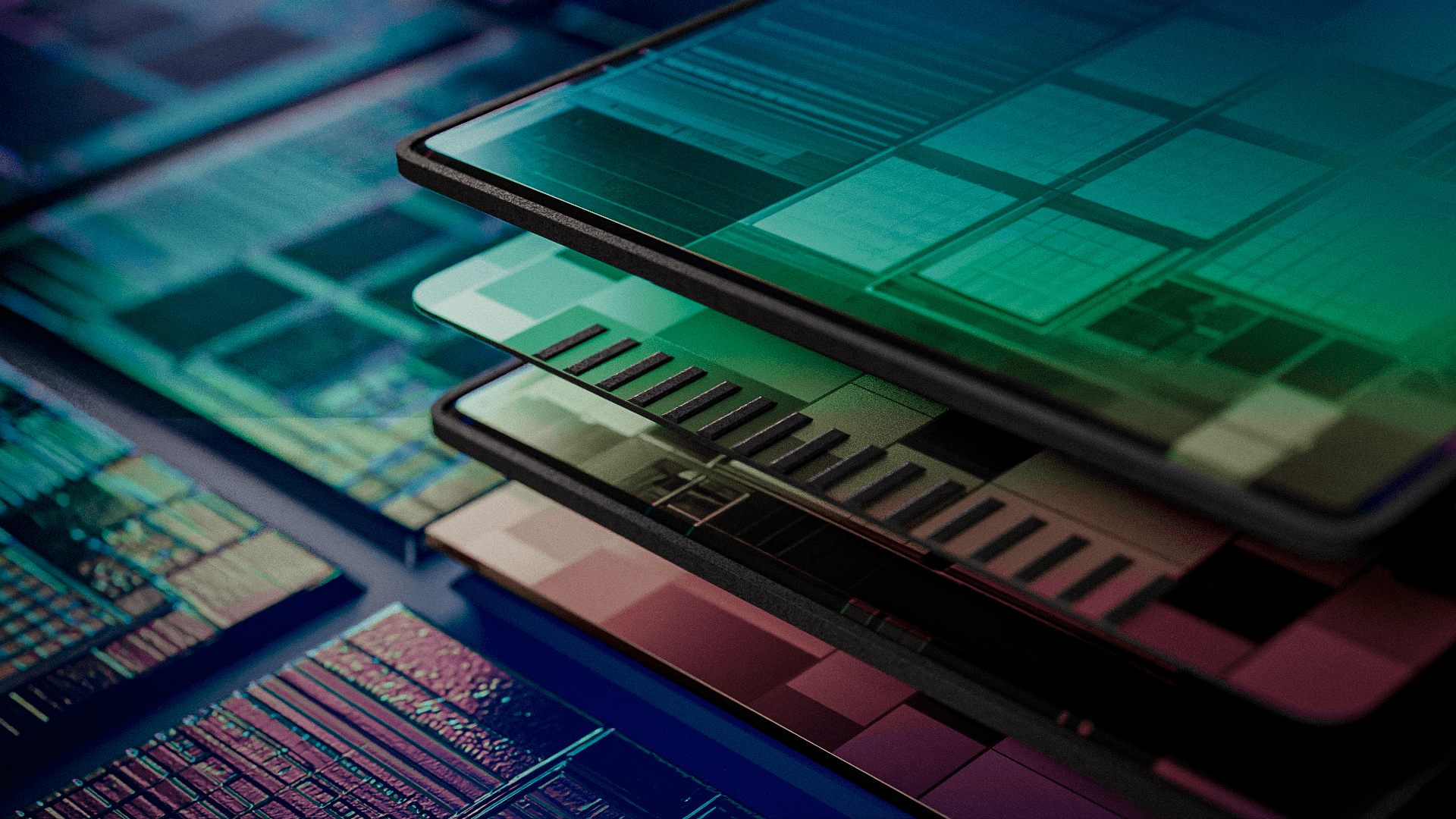
Section animations and exploded views show how a product works internally. They explain how components are assembled and interact, making them essential for technical and industrial products.
Interactive 3D animations
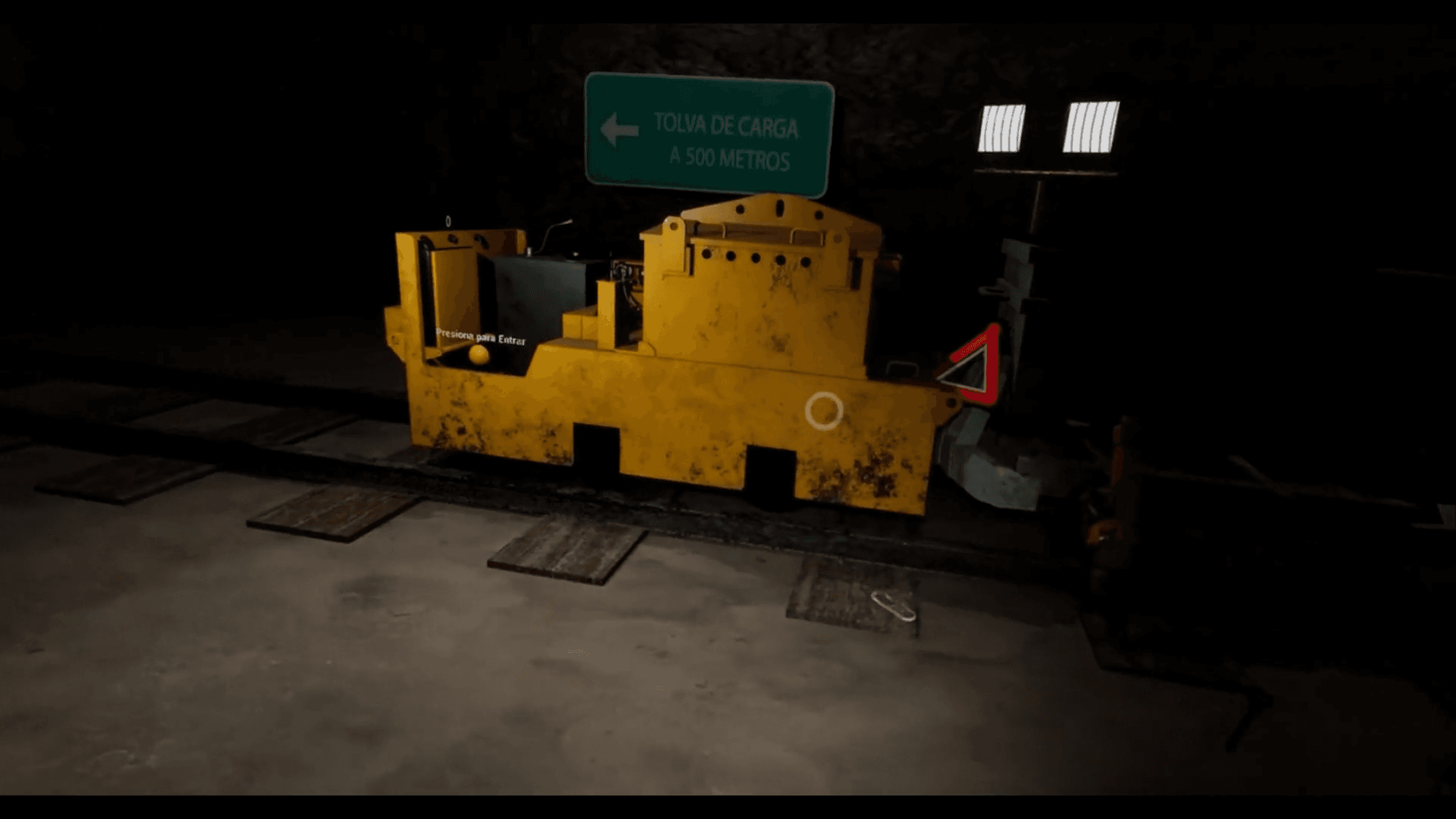
Interactive 3D animations allow users to actively explore a product. Rotating, zooming, and selecting elements increases engagement, trust, and conversions, especially in e-commerce and digital sales tools.
The main benefits of product animation
One of the reasons product animation is growing is the set of concrete benefits it offers brands, both in communication and performance. You can find more insights on the benefits of 3D videos in a previously published article.
Clarity and understanding
Animations make it easy to explain how a product works. Exploded sections, controlled zooms, simulations, and process animations help users understand even highly complex technical products.
Higher engagement
Animated videos hold attention longer than static images or traditional product pages. This leads to better engagement metrics, longer session times, and increased commercial interest.
Increased trust and perceived quality
Showing a product in a detailed and realistic way strengthens credibility. 3D animations offer full control over materials, lighting, and motion, communicating precision and attention to detail.
Mid- to long-term cost reduction
An animation project can reduce the need for complex photoshoots, physical prototypes, or multiple sets. In addition, animated content can be updated over time without starting from scratch.
3D product animations vs traditional product videos
A growing comparison is between 3D product animations and traditional product videos. While shooting remains essential in certain lifestyle contexts, animation offers decisive advantages when:
- the product is not yet in production
- multiple variants or configurations exist
- internal functionality must be shown
- the product is highly technical or industrial
In these cases, product animation doesn’t just replace traditional video—it often surpasses it in communication effectiveness and flexibility.
On Blender’s website, you can find several guides that support the creation of product videos.
Where animated product videos perform best
Animated product videos are used across many industries, but they are especially effective where the sales cycle is long and consultative. Manufacturing, medical, automotive, technology, consumer electronics, and luxury are sectors where animation has become a standard. In B2B, animation supports sales, training, and marketing; in B2C, it helps differentiate brands and improve online conversions.
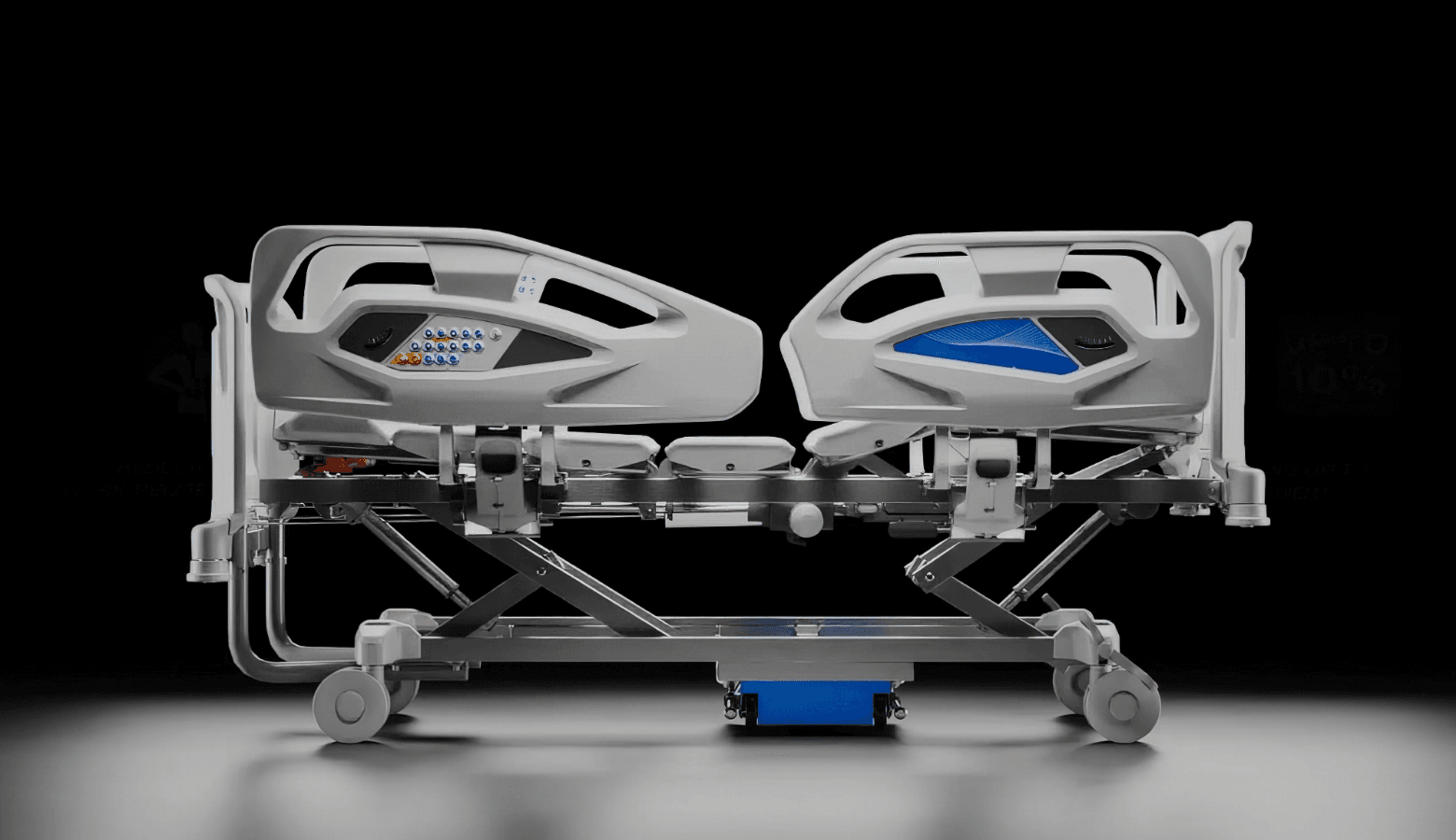
Key trends in product animation
The growth of product animation is accompanied by major trends reshaping the industry.
Cinematic approach
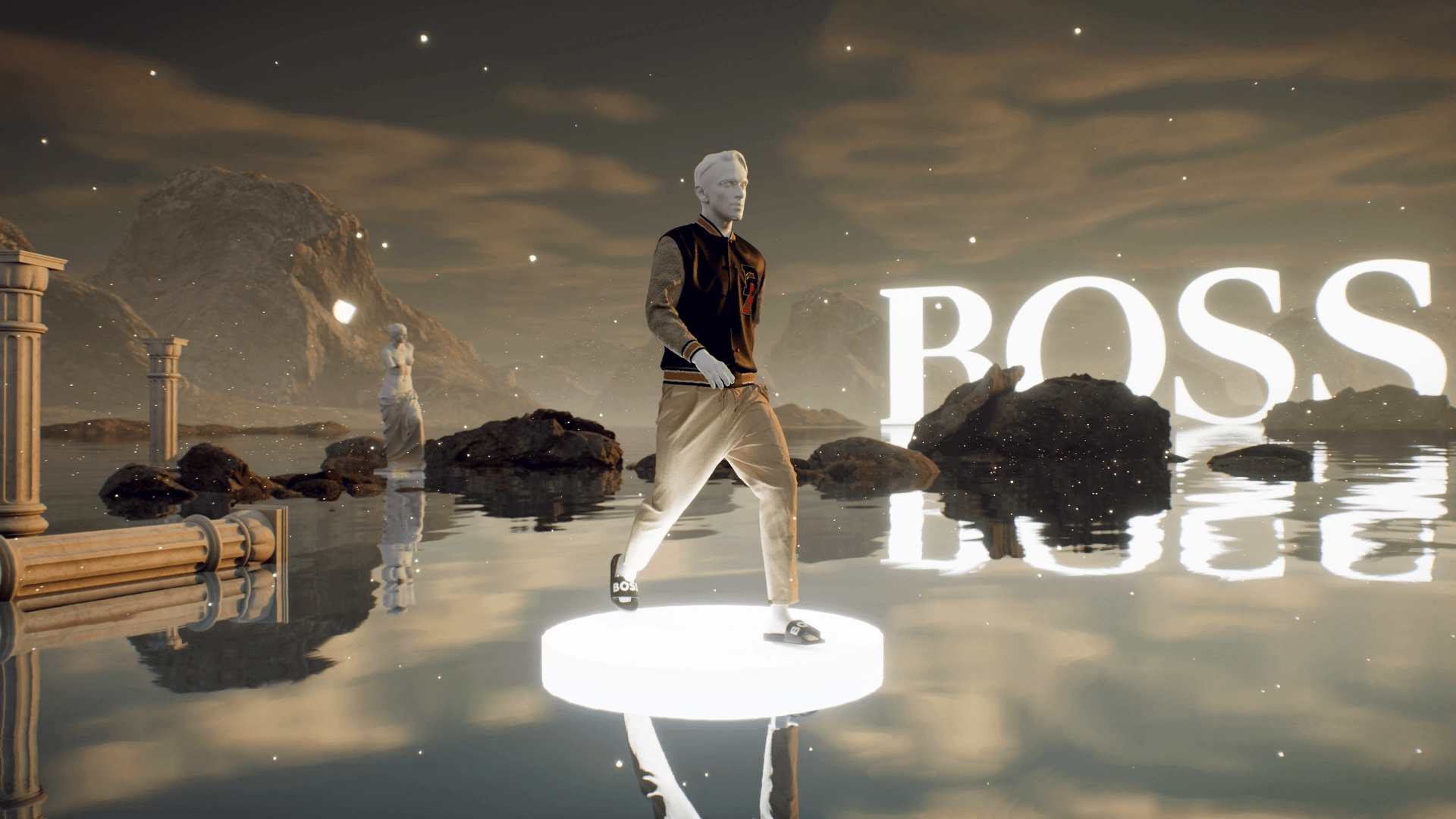
More and more brands are adopting a cinematic visual language: refined camera movements, emotional lighting, and narrative pacing. Animated videos are no longer purely demonstrative, they tell a story.
Advanced realism
Thanks to advances in CGI and software such as Unreal Engine, the line between real and digital is increasingly blurred. Materials, reflections, and physical simulations now reach extremely high levels of realism.
Modular and reusable content
Animation projects are increasingly designed to generate multiple outputs: hero videos, social cuts, loops, static visuals, and e-commerce assets.
Integration into digital funnels
Animated product videos are more frequently integrated into landing pages, configurators, and e-commerce platforms, helping increase conversions and reduce returns.
Why choose Ophir Studio for product animation
Product animation is growing because it effectively meets the needs of modern marketing: clarity, strong visual impact, flexibility, and scalable content. Today, animated product videos and 3D animations are no longer just creative elements, but strategic tools for communicating product value and directly supporting branding and sales.
Choosing Ophir Studio means partnering with a team that uses product animation as a strategic lever, designing durable, adaptable content built to perform across today’s and tomorrow’s digital channels. Contact us for a free consultation.
FAQ
What are the main animation techniques?
The main animation techniques include 2D animation, 3D animation, motion graphics, stop motion, and traditional frame-by-frame animation. In product marketing and communication, the most widely used techniques are photorealistic 3D animation and animated videos, as they clearly and engagingly showcase products, materials, and features.
What are animation effects?
Animation effects refer to visual elements that enhance an animation, such as transitions, camera movements, physical simulations, particle systems, dynamic lighting, and deformations. These effects make videos more realistic, fluid, and understandable, improving both visual impact and storytelling.
What are the 12 principles of animation?
The 12 principles of animation, defined by Disney animators, are:
1. Squash and Stretch
2. Anticipation
3. Staging
4. Straight Ahead Action and Pose to Pose
5. Follow Through and Overlapping Action
6. Slow In and Slow Out
7. Arcs
8. Secondary Action
9. Timing
10. Exaggeration
11. Solid Drawing
12. Appeal
These principles guide motion and behavior, making animation more natural, believable, and engaging.
What is an animation technique?
An animation technique is the set of methods and processes used to create motion in visual content. It can be digital or analog and varies depending on style and project goals. In product animation, the technique is chosen based on the required level of realism, the message to communicate, and the distribution channels.
Contact us!