3D virtual photography: what it is, how it works, and benefits for businesses
Discover what 3D virtual photography is, how it works, and the benefits it offers to businesses for marketing, e-commerce, and product communication.
3D virtual photography: what it is, how it works, and benefits for businesses
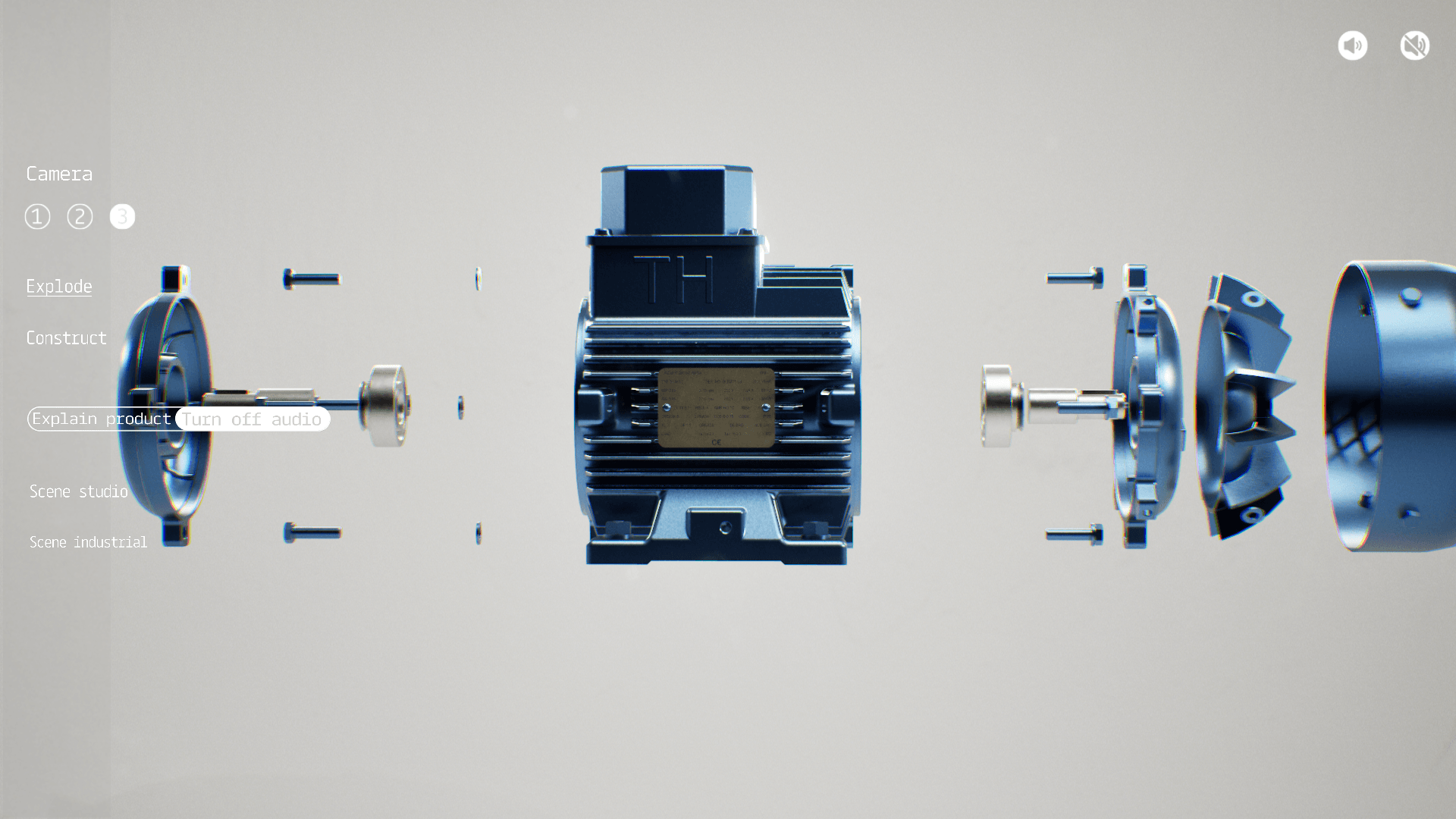
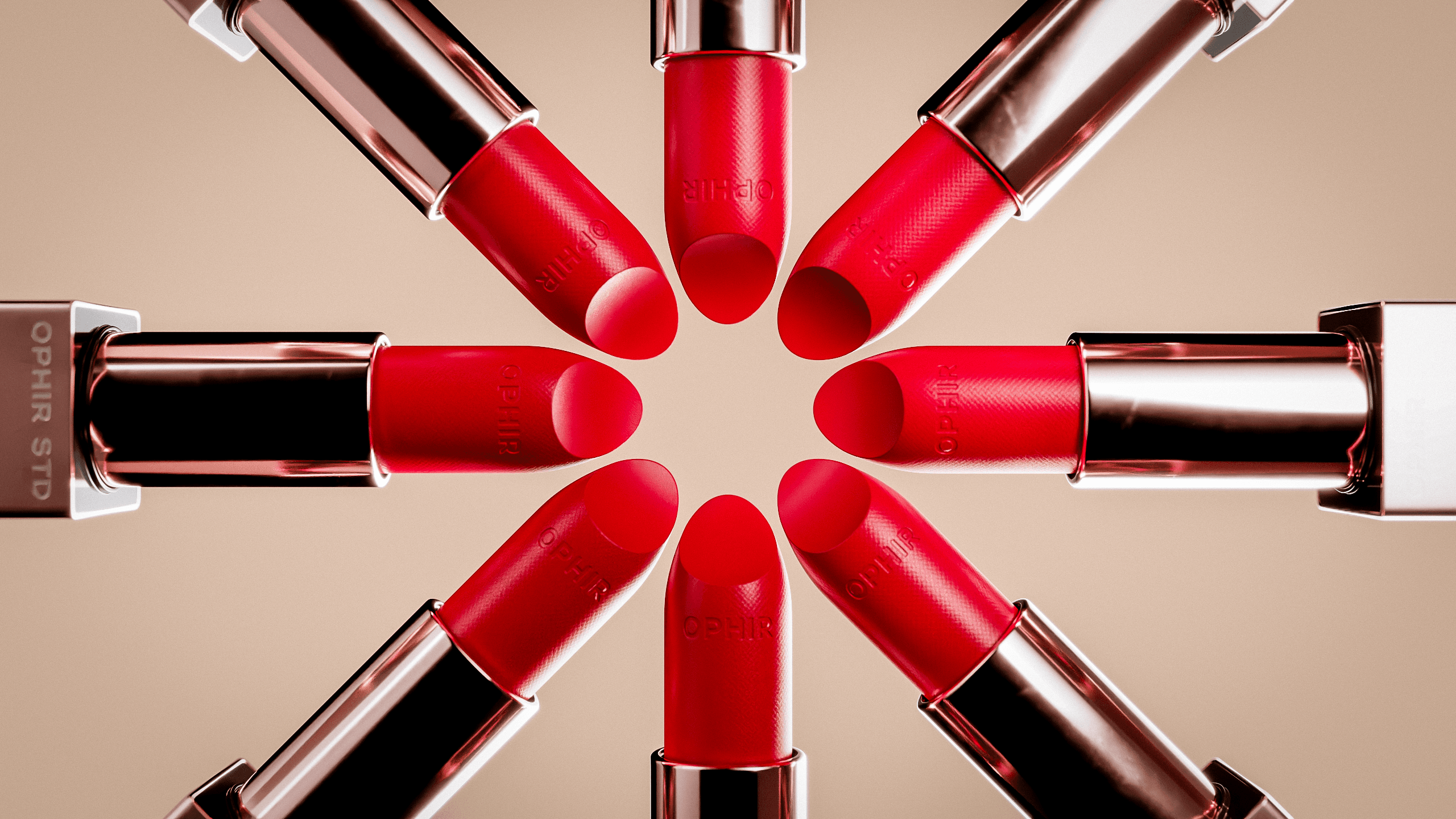
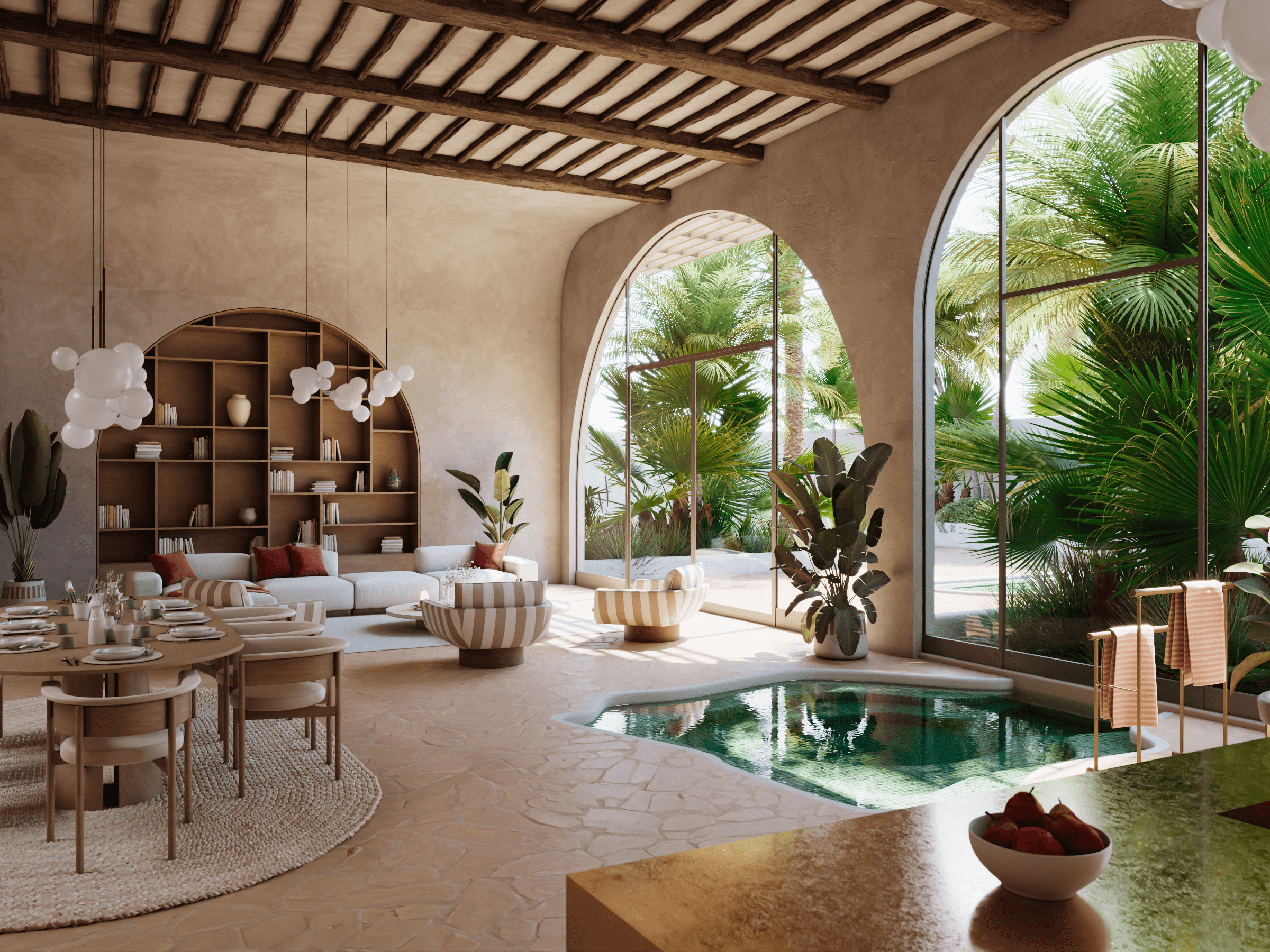
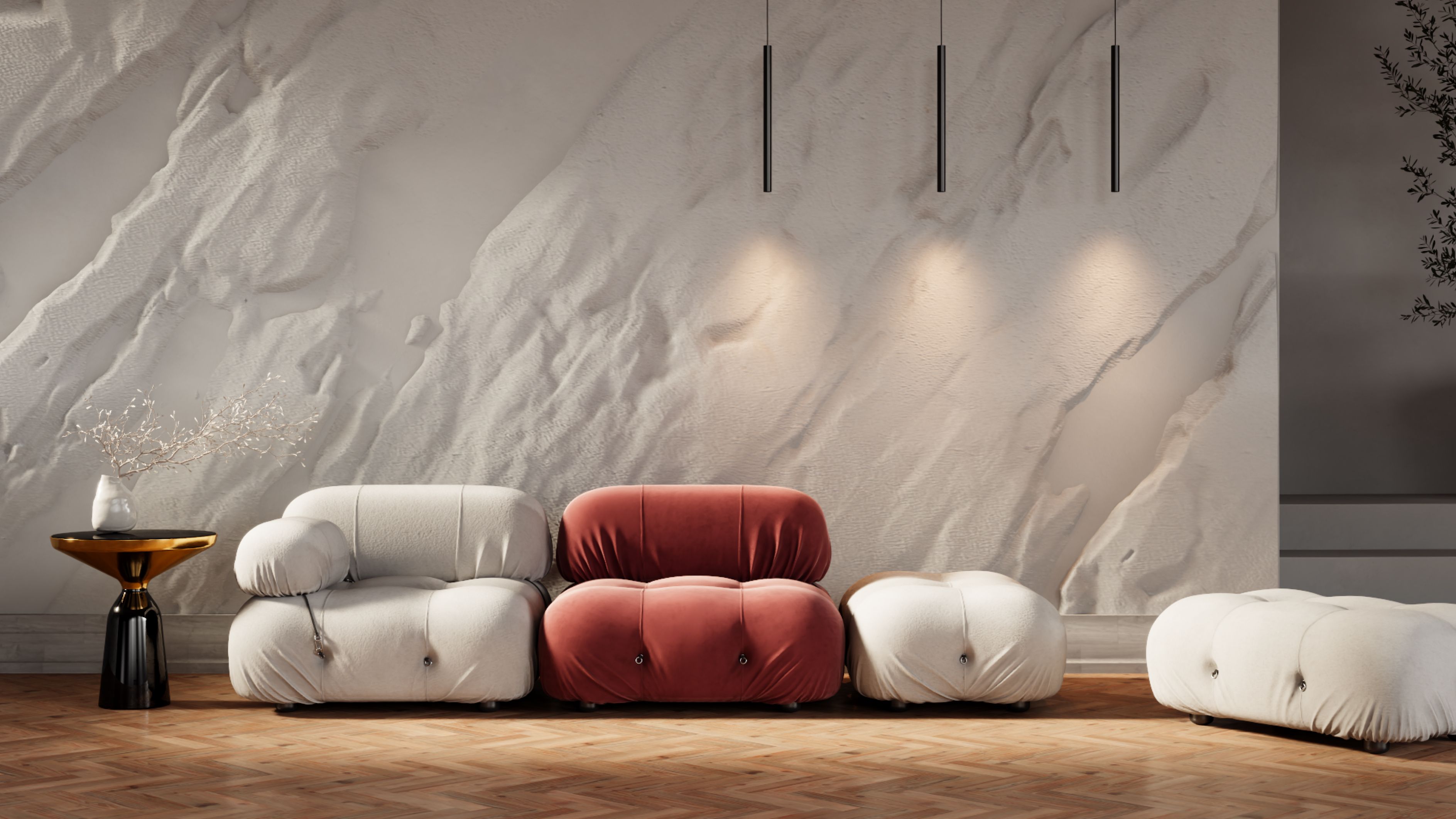
3D virtual photography is a technology that is transforming the way brands and content teams create and use product imagery. Instead of relying exclusively on physical photo sets, real products, and complex shoots, this technique uses digital 3D models and rendering engines to produce photorealistic 3D images and photographic renders ready for marketing, e-commerce, and product communication.
In this article, we explore what 3D virtual photography is, how it works, and the concrete benefits it offers businesses in terms of flexibility, cost efficiency, scalability, and performance, especially for marketing, e-commerce, and product communication.
What is 3D virtual photography
3D virtual photography, also known as photorealistic 3D rendering or digital 3D photography, is the process of creating images that look like real photographs but are generated entirely on a computer using 3D models. The “shot” is not taken with a physical camera but within a digital environment where lighting, materials, camera angles, and backgrounds are fully controlled. The result is an image indistinguishable from traditional photography, with a far higher level of control and flexibility.
How 3D virtual photography works
The process of creating photorealistic 3D virtual images generally follows these steps:
Creation or acquisition of the 3D model
The product is digitally modeled or captured through scanning or photogrammetry.
Material definition and texturing
Realistic materials (metals, plastics, glass, fabrics, technical surfaces) are defined to accurately simulate the real product.
Lighting and virtual camera setup
The scene is lit like a real photographic set, selecting optimal angles and perspectives.
Rendering
A rendering engine calculates light, shadows, and reflections to generate the final high-quality image. Compared to traditional photo shoots, this workflow allows rapid changes, unlimited versions, and full creative control without repeating costly shooting sessions. When working with specialized agencies such as Ophir Studio, the result is high-end photorealistic 3D virtual images. Discover our 3D rendering services.

3D virtual photography vs traditional photography: key differences
The main differences between 3D virtual photography and traditional photography are:
- No physical set: no locations, equipment, or real setups required
- Cost reduction: eliminates shooting, logistics, transportation, and on-set personnel costs
- Maximum flexibility: lighting, framing, colors, and materials can be changed at any time
- Easy management of product variants: colors, configurations, and versions generated from a single 3D asset
- Independence from physical products: images can be created before the product exists, accelerating go-to-market
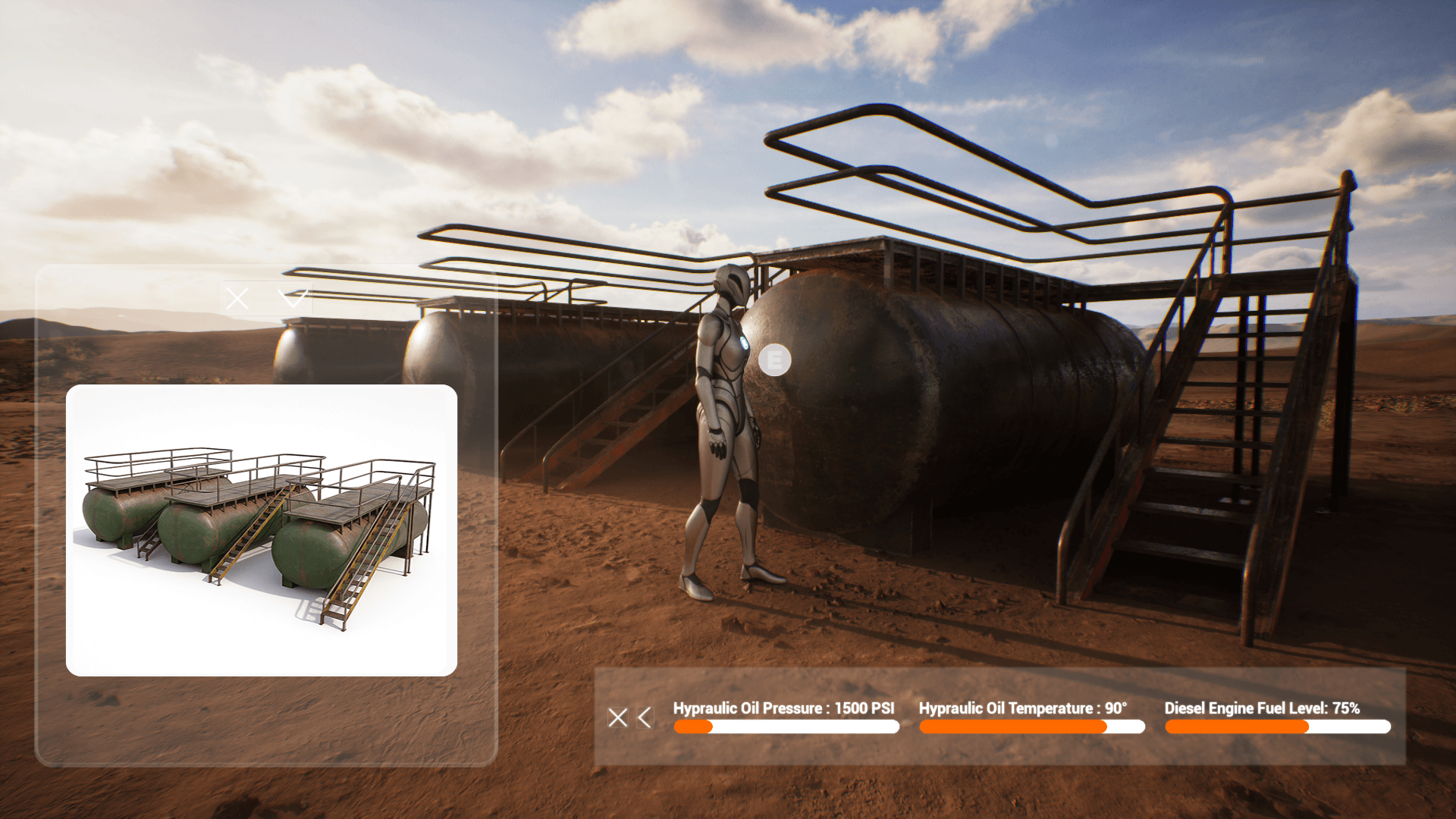
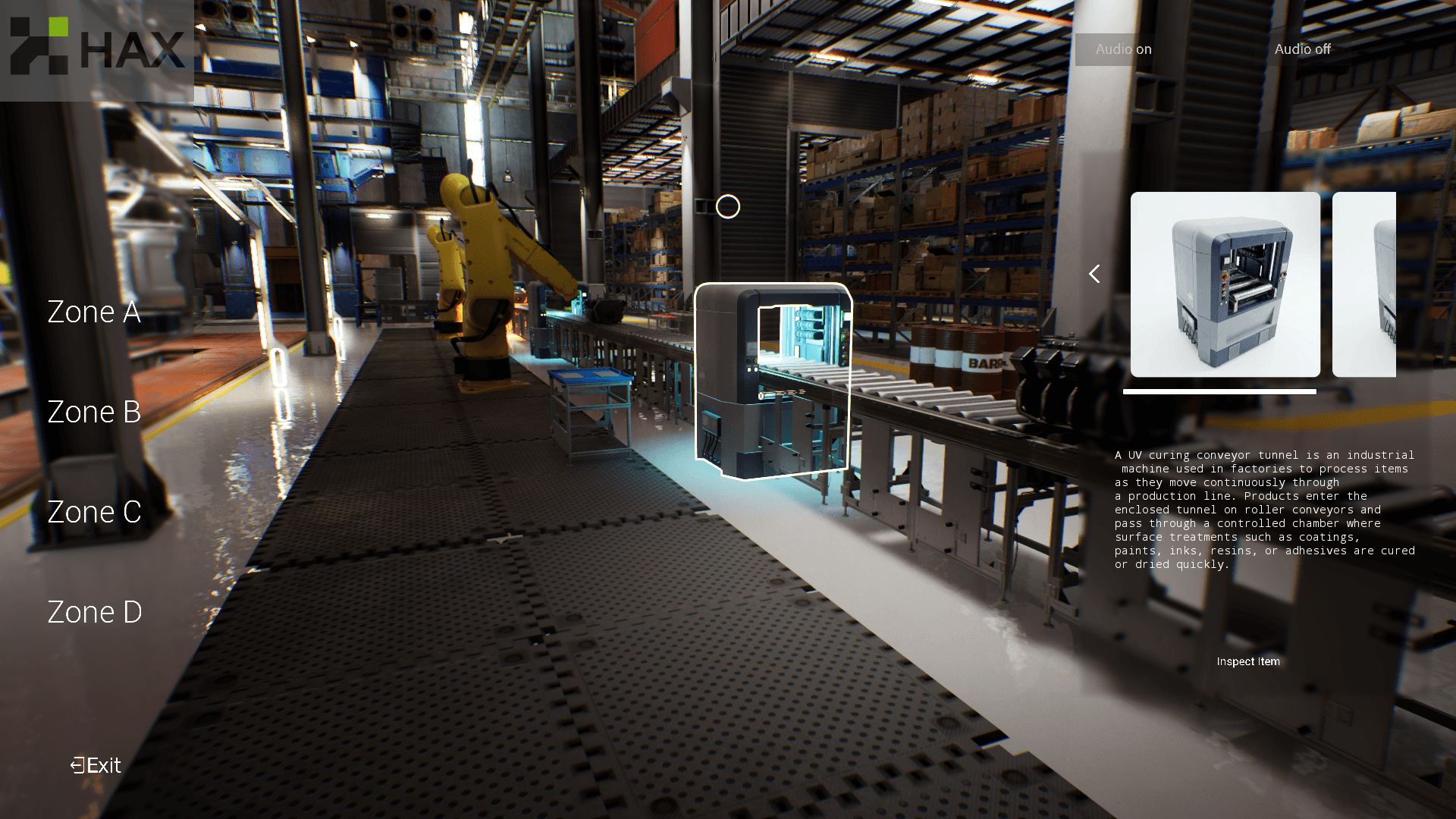
- Reusable content over time: a single 3D model can generate static images, animations, configurators, AR, and VR experiences
Benefits of 3D virtual photography for businesses
Greater flexibility and speed
Once the 3D model is created, dozens or hundreds of images can be produced for different channels (e-commerce, advertising, social media, catalogs) without repeating the shoot.
Reduced production costs
Virtual photography removes costs related to locations, photographers, equipment, and logistics, making production more scalable and sustainable.
Consistent visual quality
Images remain visually consistent and easily adaptable to any format or digital platform.
Faster time-to-market
Brands can launch products, test concepts, or open pre-orders before physical production using realistic renders.
Asset reusability
A single 3D asset can be reused for product images, 360° views, animations, interactive configurators, and AR/VR experiences.
Technologies used in 3D virtual photography
3D virtual photography can rely on different technologies:
- CGI (Computer-Generated Imagery): digitally created 3D models rendered with realistic lighting and materials
- Photogrammetry: reconstruction of 3D models from real photos taken from multiple angles
- Artificial Intelligence (AI): technologies such as NeRF that transform 2D images and videos into interactive, explorable 3D scenes
Main applications
Through photorealistic 3D rendering and digital 3D photography techniques, 3D virtual photography is applied across many business contexts, enabling the creation of photorealistic virtual images that support marketing, sales, and product development throughout the entire product lifecycle.
E-commerce
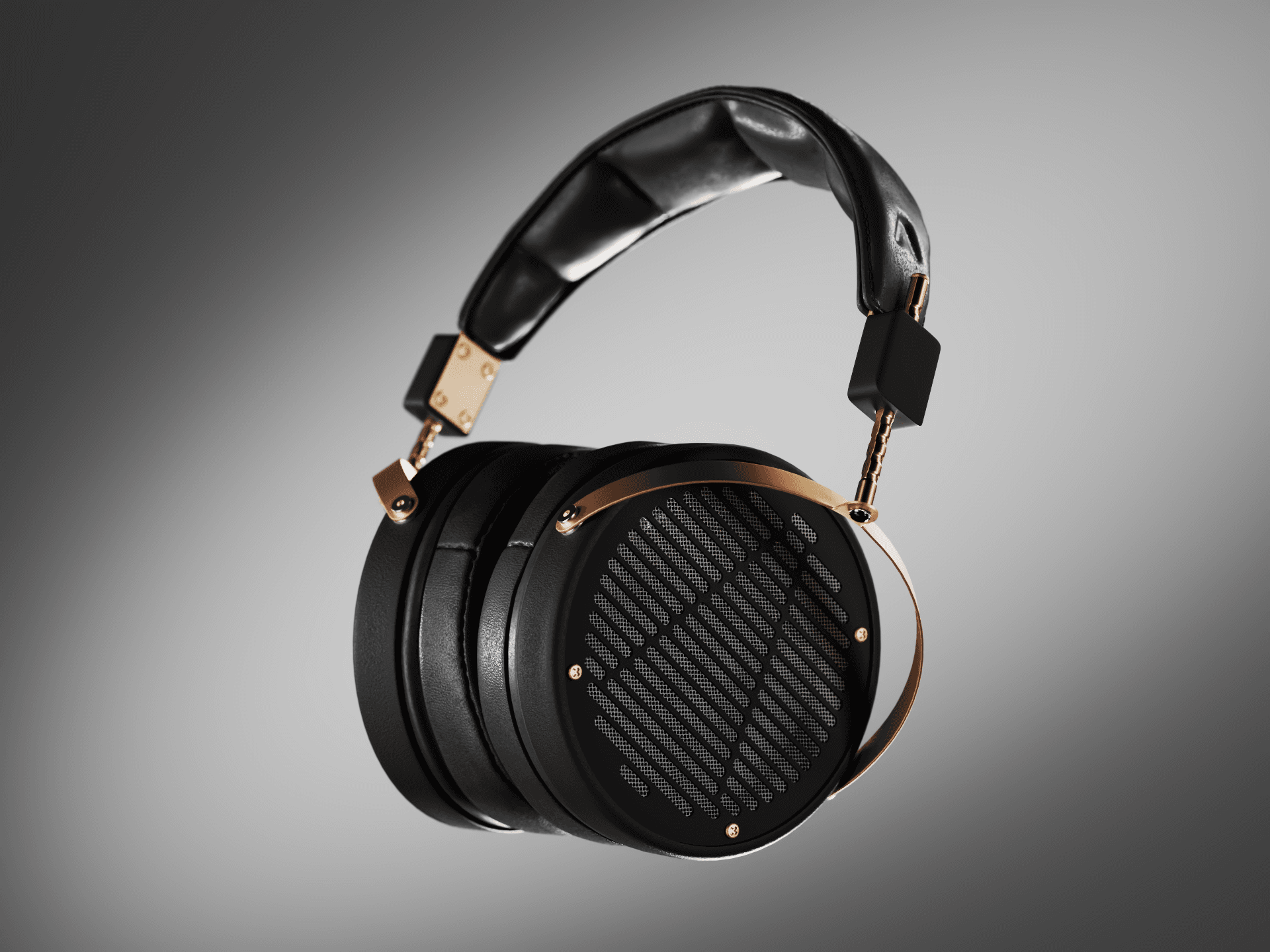
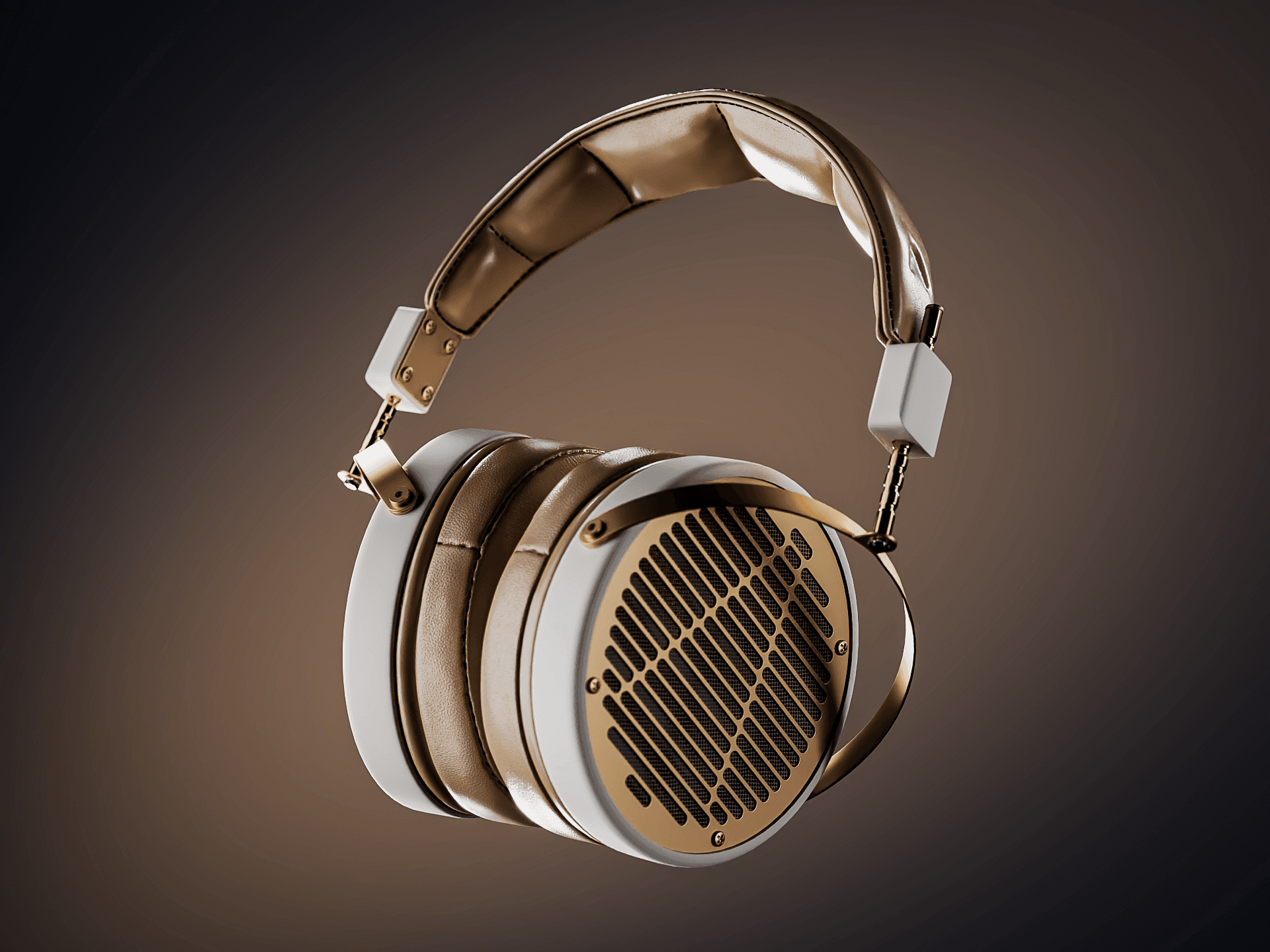
In e-commerce, photorealistic 3D rendering allows products to be shown from every angle, offering ultra-high-quality images and enabling dynamic configurations, color variants, and customization improving user experience and conversion rates.
Digital marketing
Photorealistic 3D virtual images are ideal for advertising campaigns, social content, and landing pages, ensuring visual consistency, fast production, and maximum adaptability across digital formats.
Product presentations
Digital 3D photography enables the creation of brochures, catalogs, and detailed configurators that clearly explain technical features and product benefits, even when the physical product is not yet available.
Prototyping
Thanks to photorealistic 3D rendering, products can be visualized and communicated before physical production, accelerating decision-making, time-to-market, and testing and validation activities.
Augmented reality and virtual reality
Photorealistic 3D virtual images can be extended into AR and VR experiences, offering immersive and interactive previews for presentations, training, or advanced customer experiences.
Conclusion
3D virtual photography represents a true evolution in corporate visual communication. Thanks to its flexibility, scalability, and photorealistic quality, it allows brands to integrate or replace traditional photography with a more efficient, modern, and performance-driven solution. For brands operating in e-commerce, marketing, and product communication, investing in 3D virtual photography means reducing costs, accelerating timelines, and maintaining consistently high visual quality.
If you want to understand how to apply 3D virtual photography to your products, contact us for a free consultation.
FAQ
How do you create a 3D effect in an image?
The 3D effect is achieved through 3D modeling and rendering, simulating depth, lighting, and realistic materials. Unlike 2D graphic effects, 3D virtual photography uses true three-dimensional models for photorealistic results.
What is a 3D image?
A 3D image is a visualization generated from a three-dimensional model, representing volume, depth, and realism, allowing a product to be viewed from any angle.
Where are 3D models created?
3D models can be created using professional software such as Blender, Maya, or Cinema 4D, or by working with studios specialized in photorealistic 3D rendering for commercial-quality results.
Are there apps for 3D virtual photography?
There are simplified tools and apps, but to achieve photorealistic 3D virtual images for marketing and e-commerce, a professional workflow based on advanced modeling and rendering is required.
How do you choose a good 3D virtual photography studio?
It’s important to evaluate experience, portfolio quality, photorealism, and the ability to adapt images for marketing, e-commerce, and product communication.
How can Ophir Studio help me create 3D images?
Ophir Studio creates 3D virtual photography and photorealistic images from models or references, supporting brands and businesses in visual communication, marketing, and e-commerce.
Contact us!