How to build a 3D product configurator: a complete guide
Discover how to create a 3D product configurator: a complete guide to benefits, costs, technologies, and application sectors to increase sales and conversions.
How to build a 3D product configurator: a complete guide
Understanding how to create a 3D product configurator means going beyond simply displaying a product online. It means designing a strategic tool capable of transforming customization into an immersive experience, increasing user engagement, and actively supporting the sales process. Today’s customers don’t just want to see a product. They want to modify it, explore it, understand it, and feel ownership before purchasing. In this context, a 3D configurator becomes a decisive competitive advantage.
What is a 3D product configurator?
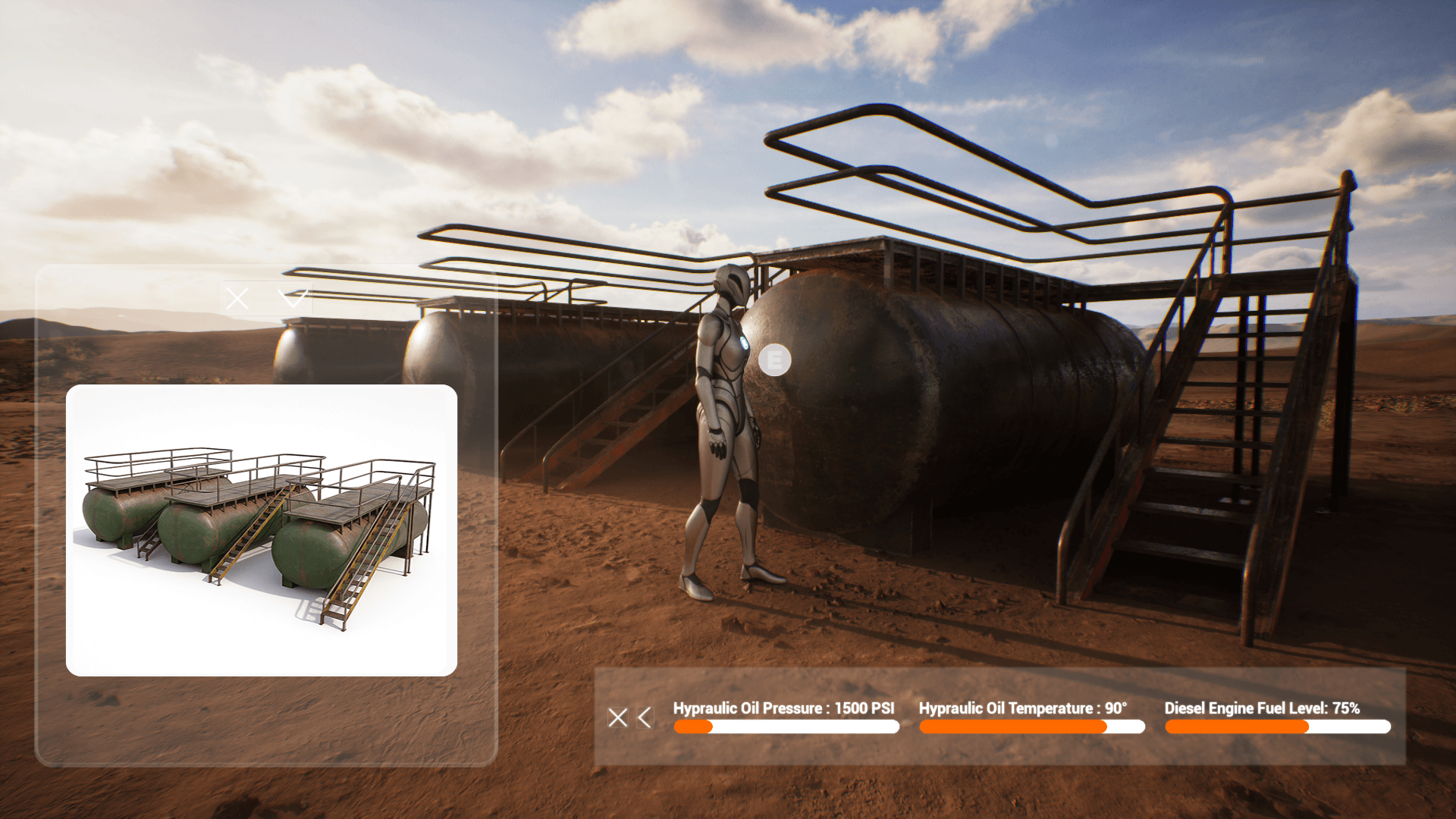
A 3D product configurator is an interactive system that allows users to customize a product online while visualizing changes in real time on a three-dimensional model. Unlike static images or traditional renderings, a configurator enables users to actively modify materials, colors, components, and variants while instantly seeing the final result.
When integrated into a website or e-commerce platform, an online product configurator not only displays the product but also guides users toward informed purchasing decisions. In more advanced systems, product configuration software integrates with CRM, ERP, or automated quoting systems, becoming a powerful commercial tool.
Why invest in a 3D web configurator: key benefits
The benefits of a 3D product configurator go far beyond aesthetics. An online product configurator improves conversions, reduces ordering errors, and enhances the overall user experience throughout the decision-making process.
1. Faster Decisions Through Real-Time 3D Visualization
An online product configurator allows users to instantly see every modification applied to the 3D model. This accelerates decision-making, reduces uncertainty, and improves conversion rates.
2. Reduced Errors with Intelligent Product Configuration Software
Advanced product configuration software integrates parametric rules that prevent incompatible combinations. This significantly reduces order errors and increases operational efficiency.
3. Higher Engagement with an Interactive 3D Configurator
Interactivity increases time spent on the website and strengthens emotional engagement. An immersive 3D configurator transforms users from passive viewers into active participants.
4. Increased Perceived Brand Value
A 3D web configurator communicates innovation, quality, and attention to detail. In premium industries such as automotive, furniture, or yachting, it reinforces competitive positioning.
5. Concrete Sales Support for B2B and B2C
Creating a 3D product configurator equips the sales team with a powerful tool for presentations, customized quotes, and complex negotiations, especially in industrial and medical sectors.
What can be configured in a 3D product configurator?
A 3D product configurator is particularly suited for customizable and modular products characterized by multiple variants and interchangeable components. It is ideal for products that include:
- Color and finish selection
- Material and texture customization
- Modular components and interchangeable parts
- Size adjustments or technical configurations
For complex products, product configuration software can automatically manage compatibility between modules, ensuring technically correct and feasible configurations. For this reason, an online product configurator is the ideal solution for companies offering made-to-measure solutions, modular systems, or highly customizable products.
Application sectors
3D configurators are used across many industries, especially where products are modular, customizable, or technically complex.
Furniture & Interior Design
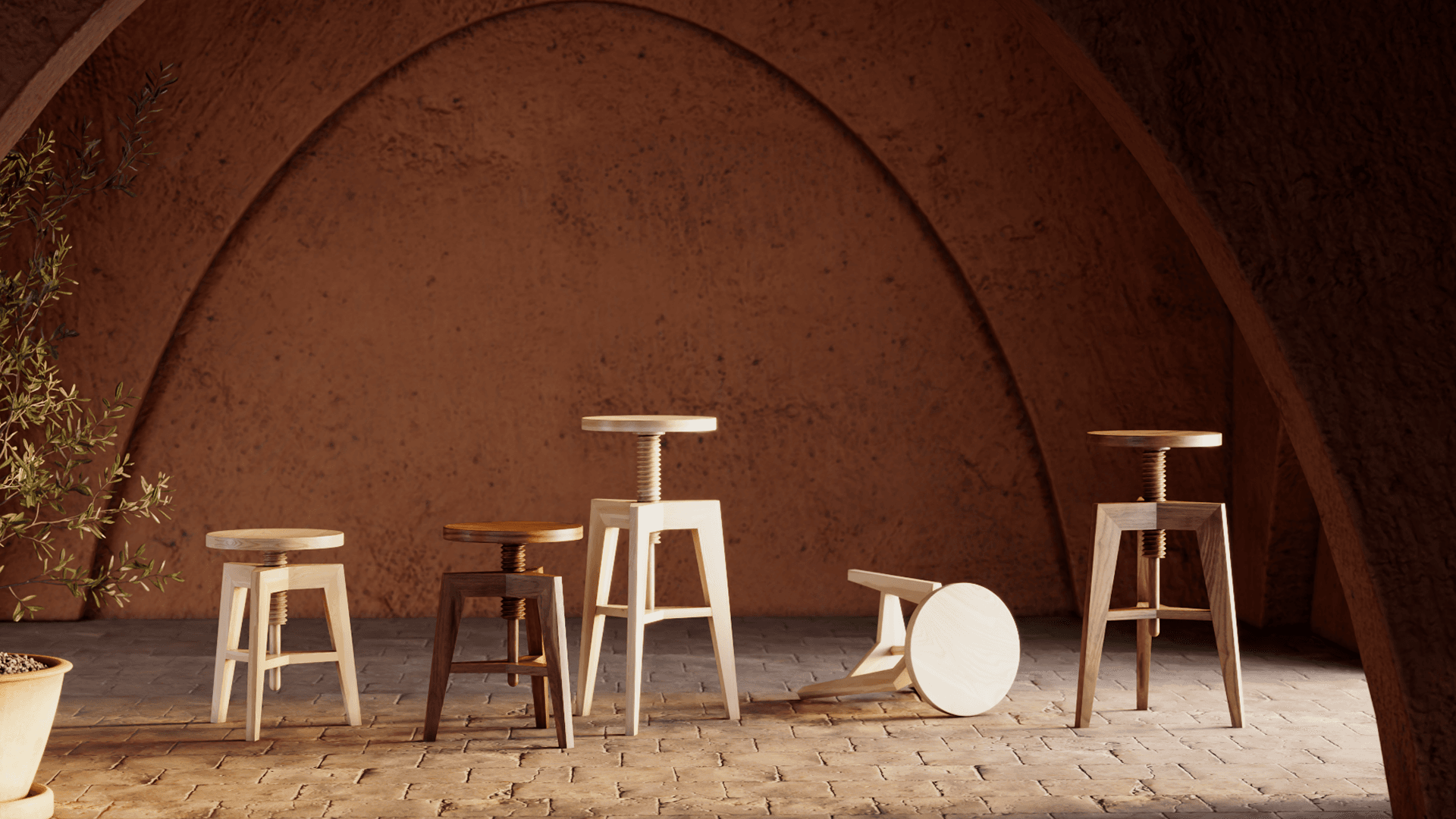
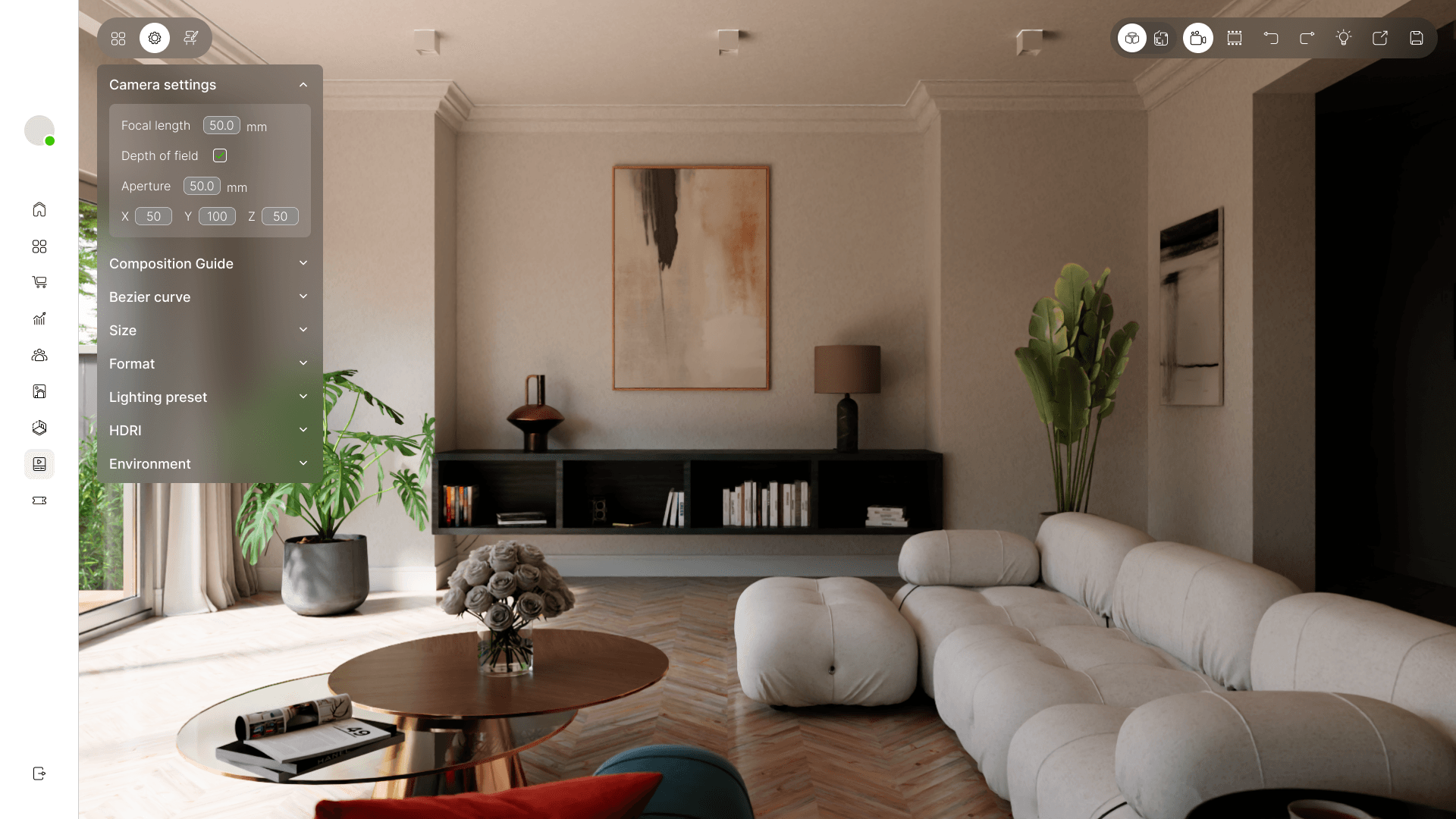
In the furniture and interior design industry, a 3D configurator enables realistic customization of environments and modular products by adjusting finishes, materials, dimensions, and compositions. It is particularly effective for kitchens, sofas, modular systems, and contract solutions.
Automotive
In the automotive sector, a 3D configurator allows customers to explore trims, versions, optional features, and technical details, offering an immersive showroom-like experience.
Yachting
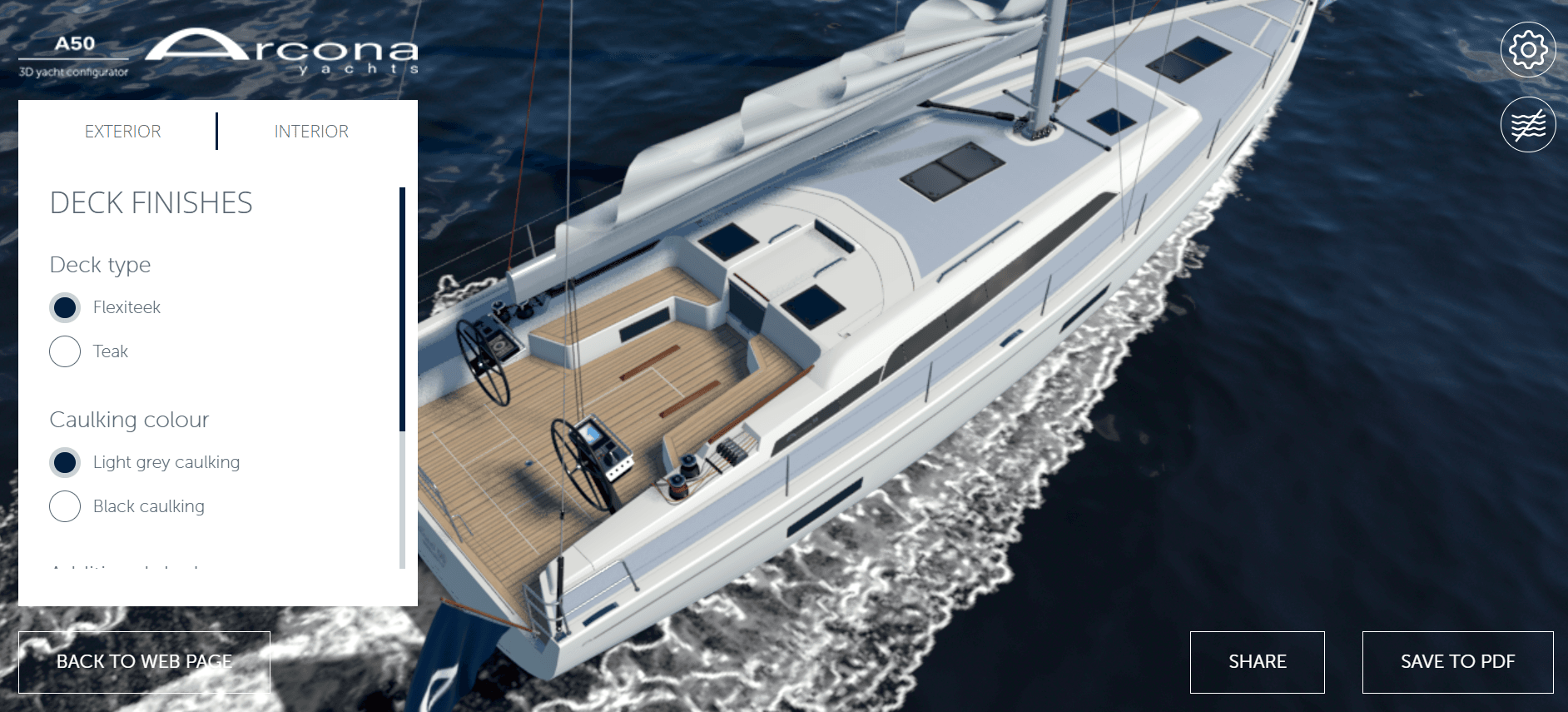
In the yachting industry, where exclusivity and personalization are essential, a 3D configurator enables the customization of layouts, interiors, finishes, and structural details, supporting high-value purchasing decisions.
Bike & Sports Mobility
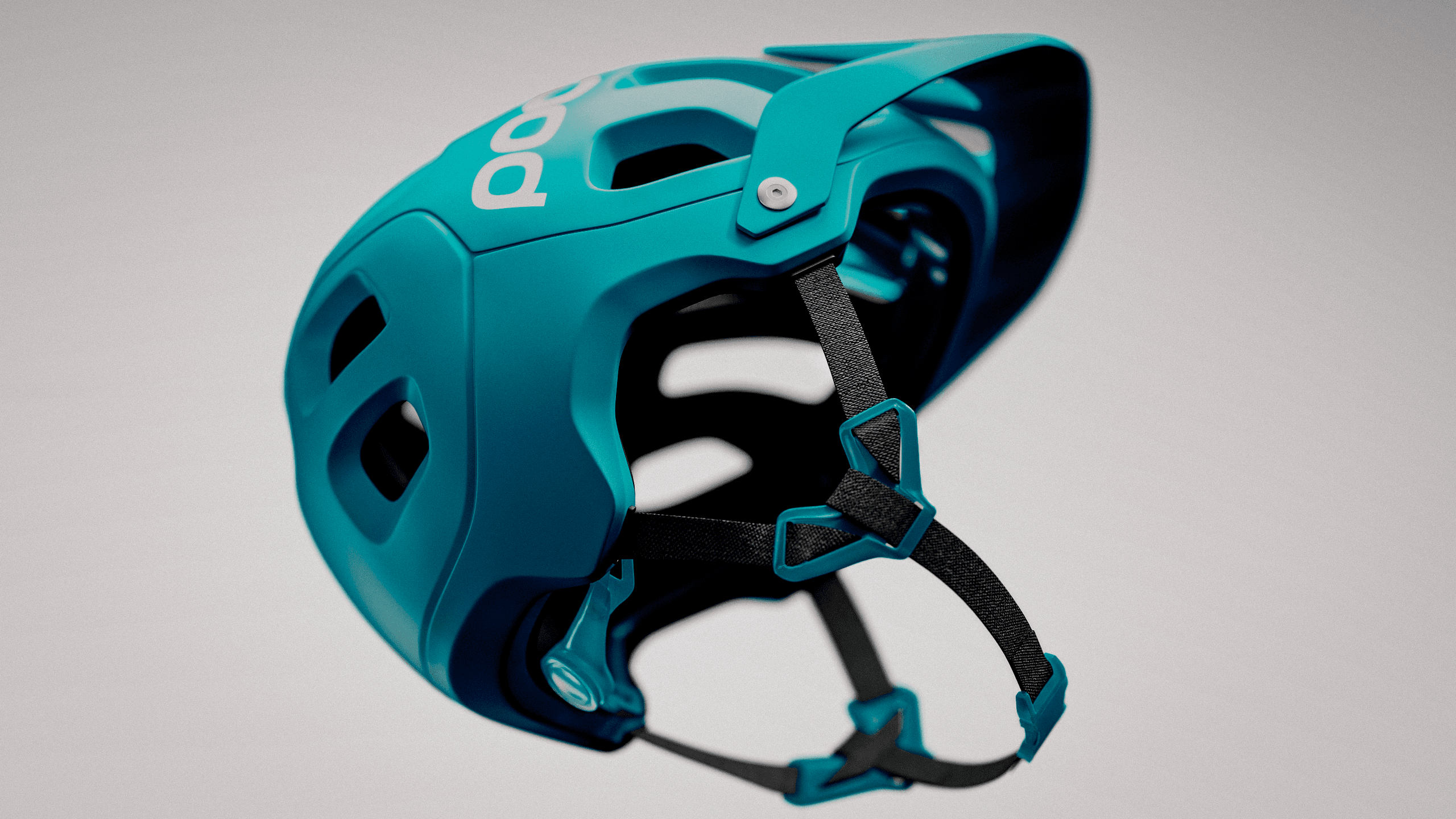
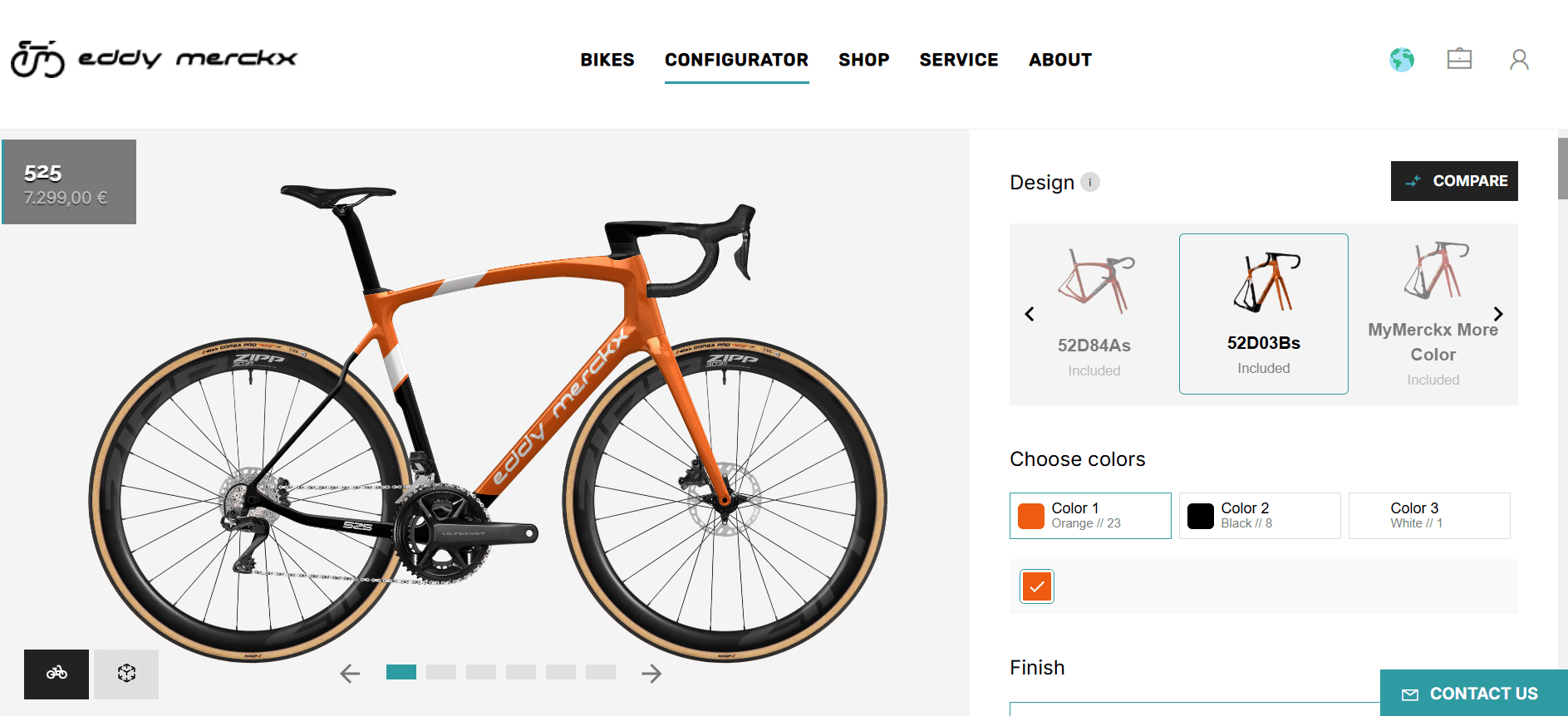
In the bicycle and sports mobility sector, configurators allow customers to personalize frames, components, colors, gear systems, and accessories. This is especially strategic for premium brands focused on performance and customization.
How to create a 3D product configurator: key phases
1. Strategic Analysis: Define Objectives and Target
Before choosing any technology, it is essential to define clear objectives. Should the configurator increase online sales? Support the sales network? Reduce production errors? Generate qualified leads? Without a clear strategic analysis, there is a risk of developing a visually impressive tool that lacks real business value.
2. Design, Technology Selection, and Development
Once objectives are defined, the technical phase begins. The choice of technology depends on product complexity and the level of realism required. For simpler projects, WebGL-based solutions or libraries such as Three.js may be sufficient. For more complex products requiring technical animations or high-end real-time rendering, advanced real-time engines or scalable proprietary architectures may be necessary.
3. Optimization and Integration into the Sales Funnel
An effective 3D configurator must be smooth, fast, and intuitive. Functionality alone is not enough—it must provide a seamless and engaging user experience. Equally important is integration into the sales funnel. If the transition from configuration to quote request or purchase is unclear, valuable conversion opportunities are lost.
How much does it cost to implement a 3D configurator?
The cost of creating a 3D product configurator varies significantly depending on project complexity. Factors include the level of 3D detail, the number of product variants, parametric logic implementation, and integration with business systems. A basic configurator requires a moderate investment. A fully integrated and advanced system demands a higher investment but generates strong ROI through increased efficiency, reduced errors, and higher conversion rates. It should be considered a long-term strategic digital asset rather than a one-time expense.
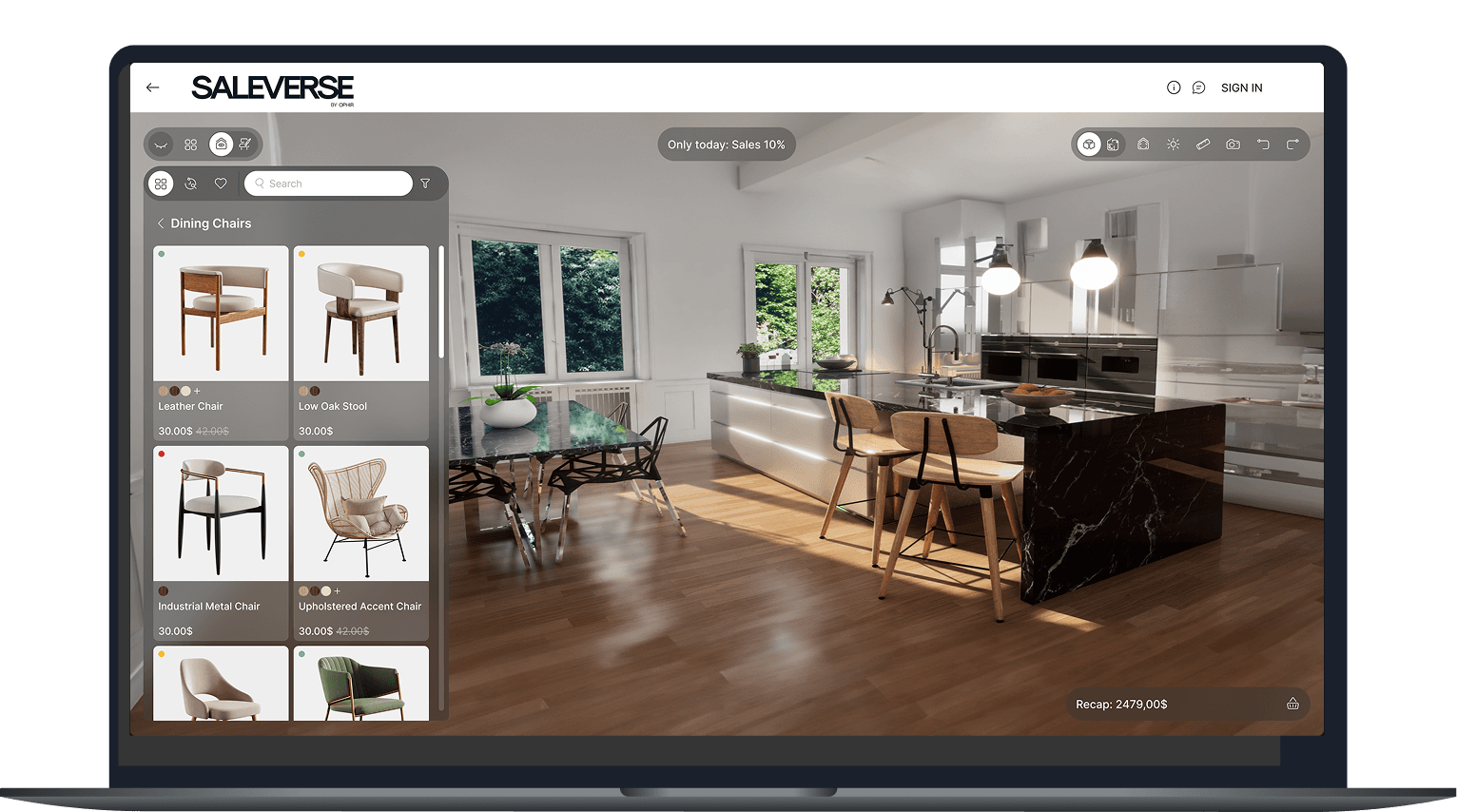
Case study: SaleVerse, Ophir Studio’s 3D configurator
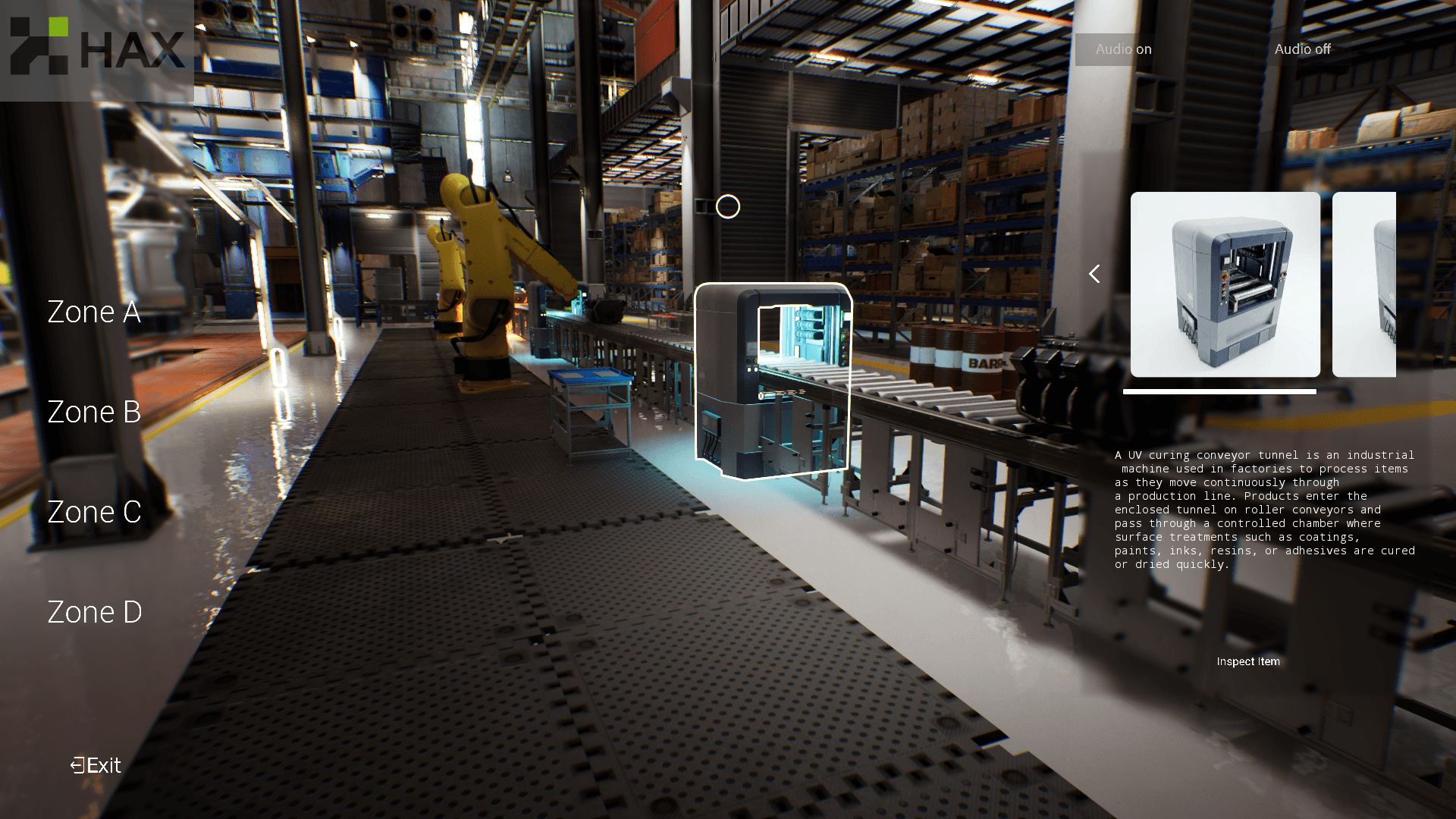
A concrete example is SaleVerse, the 3D configurator developed by Ophir Studio and featured by Al Jazeera. Designed for the premium furniture sector, SaleVerse combines advanced computer graphics, intelligent parametric logic, and a scalable architecture integrated with enterprise systems. The goal is not only to display products in a photorealistic and immersive way, but to transform digital interaction into a measurable and effective sales tool.
Conclusion
Creating a 3D product configurator means combining strategic vision, technical expertise, and experience design to build a system capable of simplifying complexity, enhancing product value, and guiding users toward informed purchasing decisions. In an increasingly competitive market, immersive customization is no longer optional; it is a differentiating factor that separates a simple online catalog from a truly conversion-driven digital experience.
Contact us for a free consultation.
FAQ
What is a Web Configurator?
A Web configurator is an online tool that allows users to customize a product in 3D directly from their browser, without any installations. It uses advanced web technologies to display real-time modifications.
What is an online 3D product configurator?
An online 3D product configurator is interactive software that allows users to modify colors, materials, and components of a product while viewing changes in real time on a website.
What is a 3D boat configurator?
A 3D boat configurator allows users to customize yachts or boats online by selecting layouts, finishes, colors, and optional features, with a realistic 3D preview.
Which products are suitable for a 3D configurator?
It is ideal for customizable products such as furniture, automotive vehicles, bicycles, industrial machinery, and boats.
How much does a 3D product configurator cost?
The cost depends on complexity, number of product variants, and business system integrations. It can range from basic solutions to advanced platforms integrated with CRM or ERP systems.
Does a 3D product configurator improve conversions?
Yes. Real-time interactive visualization increases engagement, builds trust, and improves purchase likelihood.
Contact us!