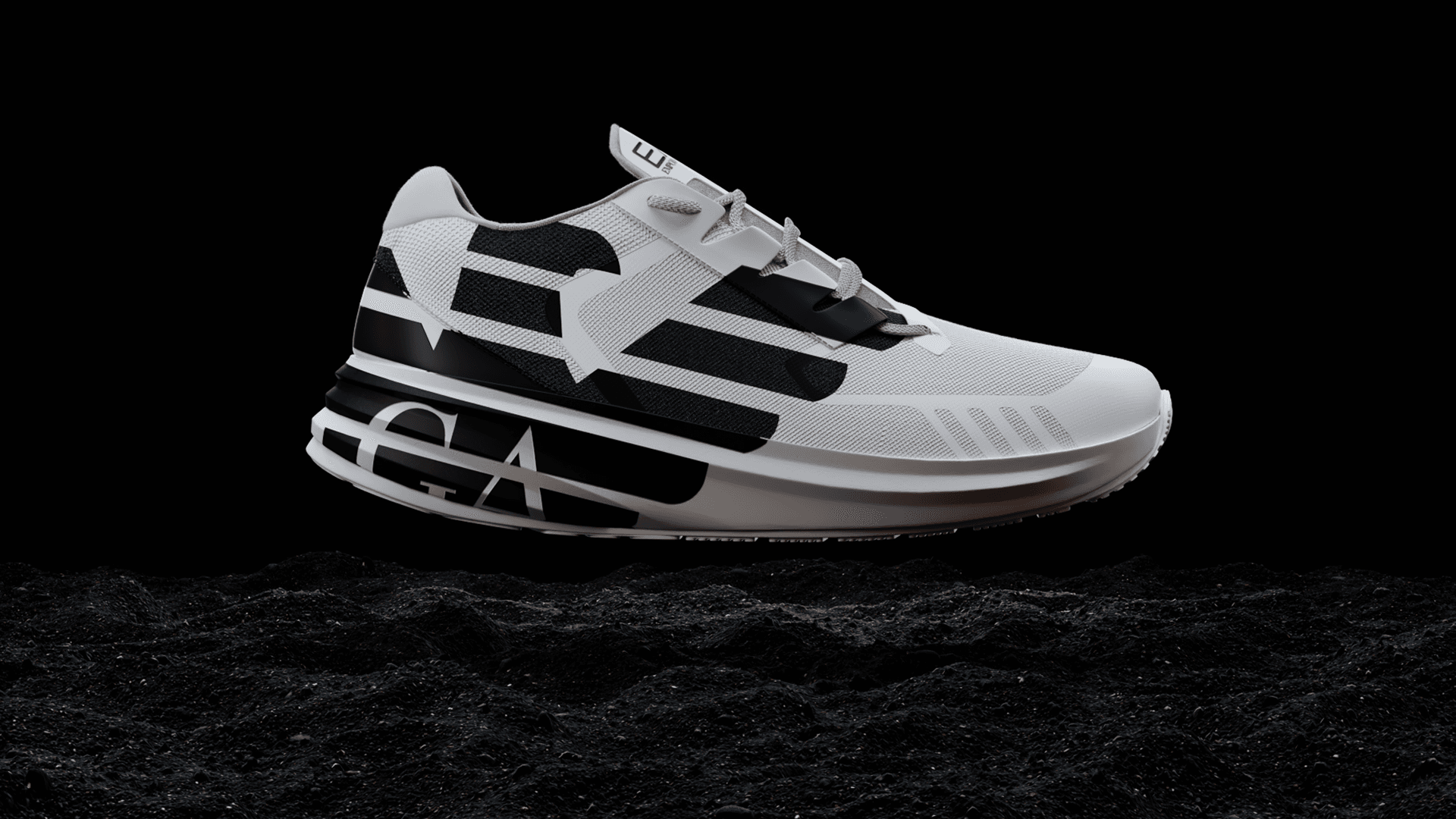
What is a product configurator tool, how does it work, and what is it used for?
Discover what a product configurator tool is, how a 3D product configurator works, and the advantages it offers for sales, ecommerce, and production efficiency.
What is a product configurator tool, how does it work, and what is it used for?
Today, personalization is no longer an option. It’s a necessity. More and more companies, especially those operating in premium product segments, are adopting product configuration tools as a strategic lever for sales, marketing, and production.
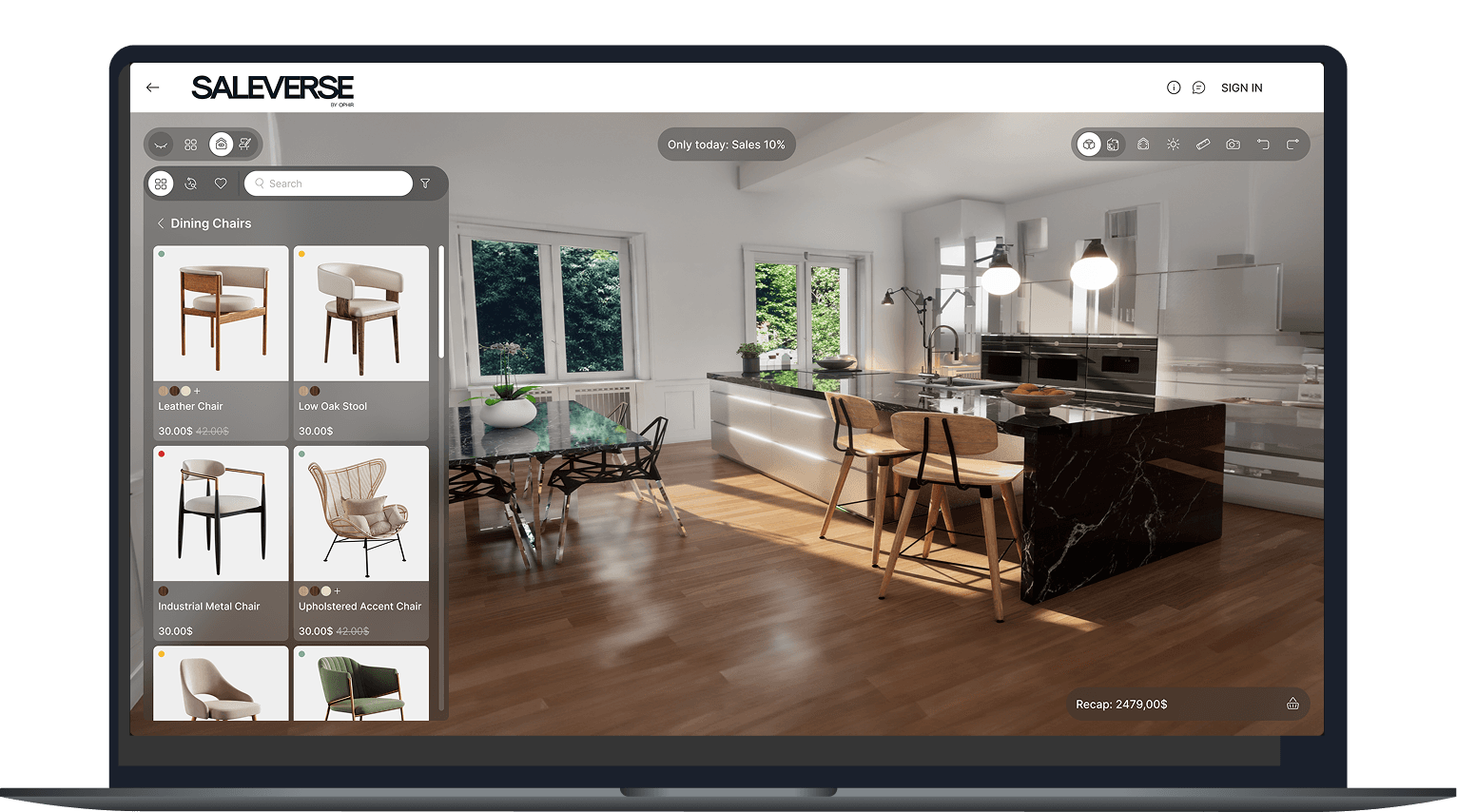
A 3D product configurator allows customers to customize a product and visualize changes in real time. Behind this apparent simplicity lies a highly strategic technology capable of transforming the entire commercial process.
What is a product configurator tool?
Understanding what a product configurator tool is means going beyond the technology itself and analyzing its real impact on business processes — from sales to manufacturing. A product configurator is a software system that enables users to create, customize, and visualize product variants based on a predefined set of rules.
In simple terms, it allows customers to explore all possible product variations and build a personalized configuration by selecting options such as:
- Colors
- Materials
- Components
- Accessories
- Dimensions
- Functional features
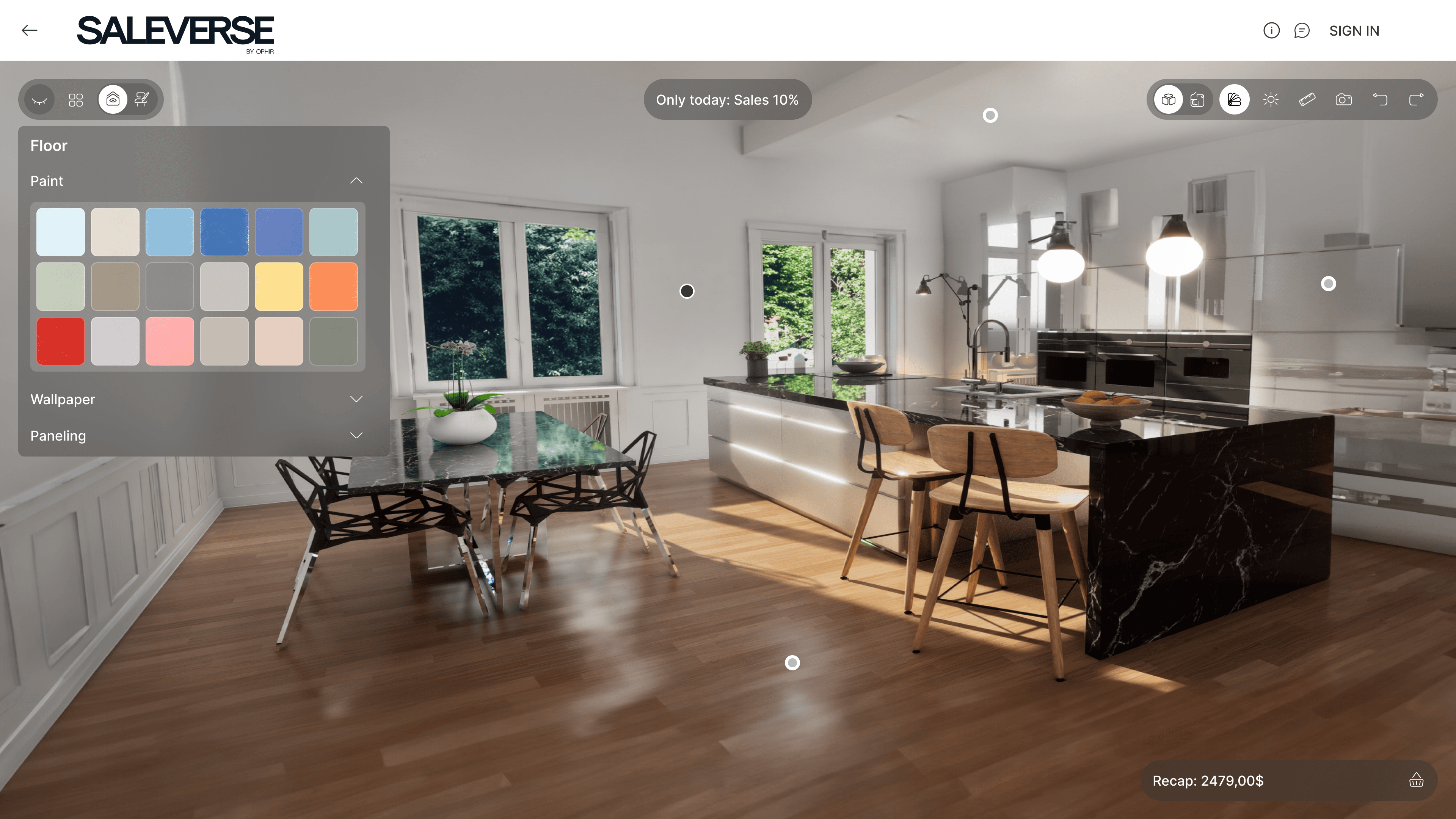
All while ensuring that every configuration remains technically valid and aligned with actual production constraints. An advanced product configuration software solution does more than display static images. It generates an interactive, photorealistic 3D representation, allowing users to rotate the product 360°, zoom into details, and see real-time updates as they modify selections.
What is a configurable product?
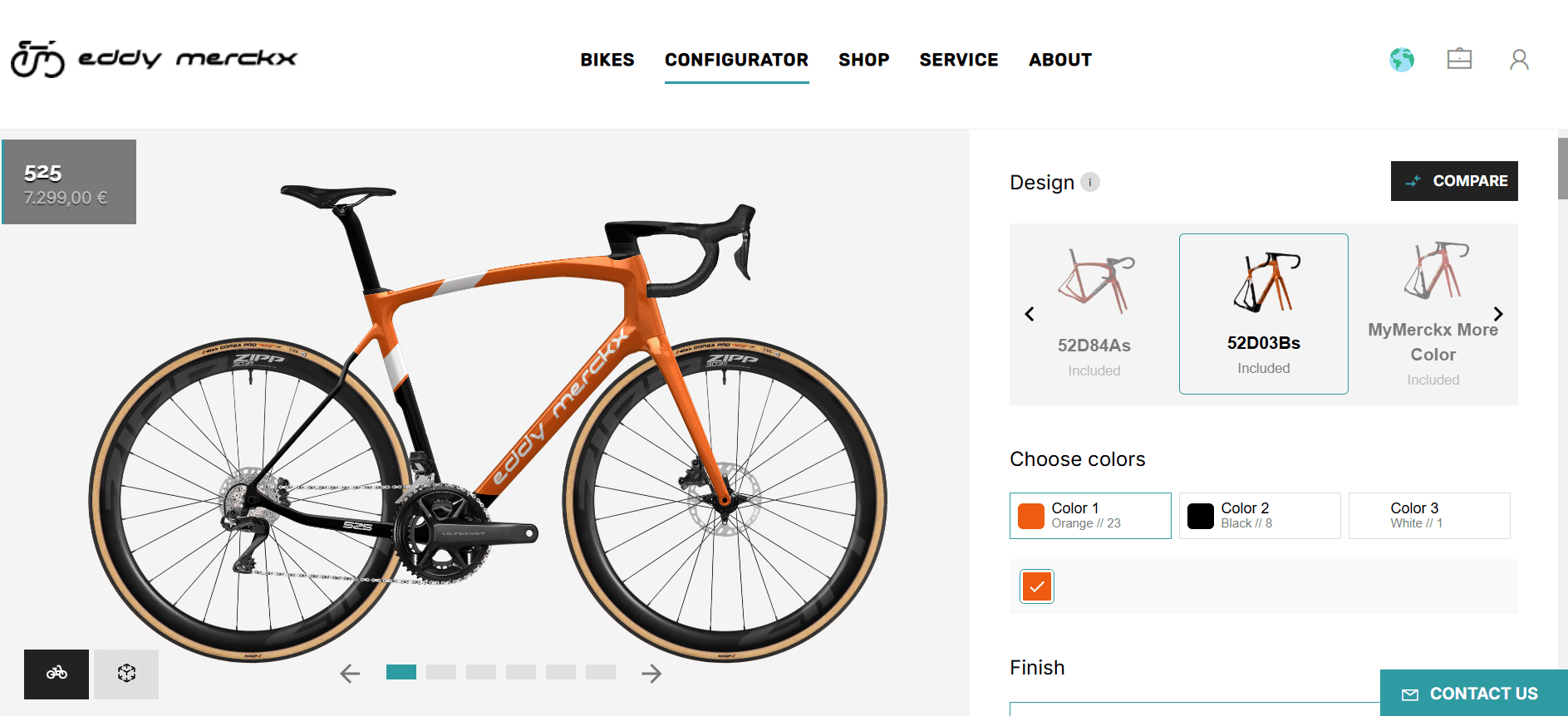
A configurable product is made up of multiple variants, components, or modules that can be combined according to defined technical and commercial rules. Unlike a standard product sold in a fixed version, a configurable product allows customers to tailor specific features to their needs — whether aesthetic, functional, or technical.
Typical examples include:
- Custom bicycles (frame, wheels, color, mechanical groups). Brands such as Colnago and Eddy Merckx already use this approach.
- Industrial machinery with optional modules
- Custom furniture and interior systems
- Vehicles
- Yachts
A configurable product can be simple (e.g., color choice) or highly complex, where each selection affects technical compatibility, final pricing, production timelines, and bill of materials.
This is why structured logic is essential: not all combinations are compatible. Technical, manufacturing, and commercial constraints must be respected.
How does an online product configurator work?
An online product configurator is built on multiple technological layers working together to ensure a seamless user experience and production accuracy.
1. Rule Engine
The rule engine defines which combinations are allowed and which are not. It establishes technical constraints, compatibility rules between components, and option dependencies. This layer prevents errors and non-producible configurations.
2. Graphic Engine
In a 3D product configurator, the graphic engine generates and updates the product visualization in real time based on user selections.Depending on the technology used (WebGL, Unreal Engine, real-time engines), it can:
- Display the product in 360°
- Allow zoom and rotation
- Update materials, colors, and components instantly
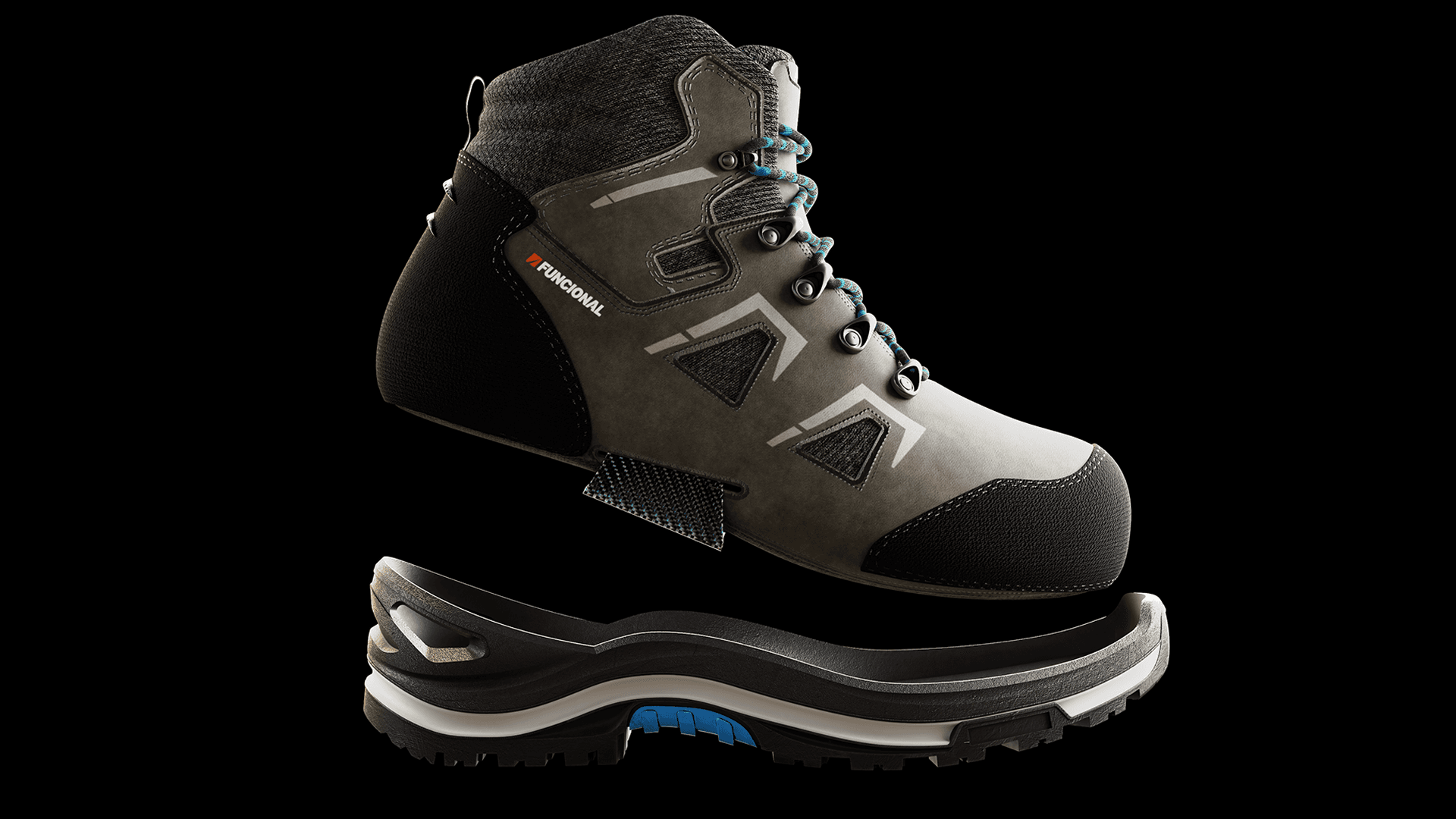
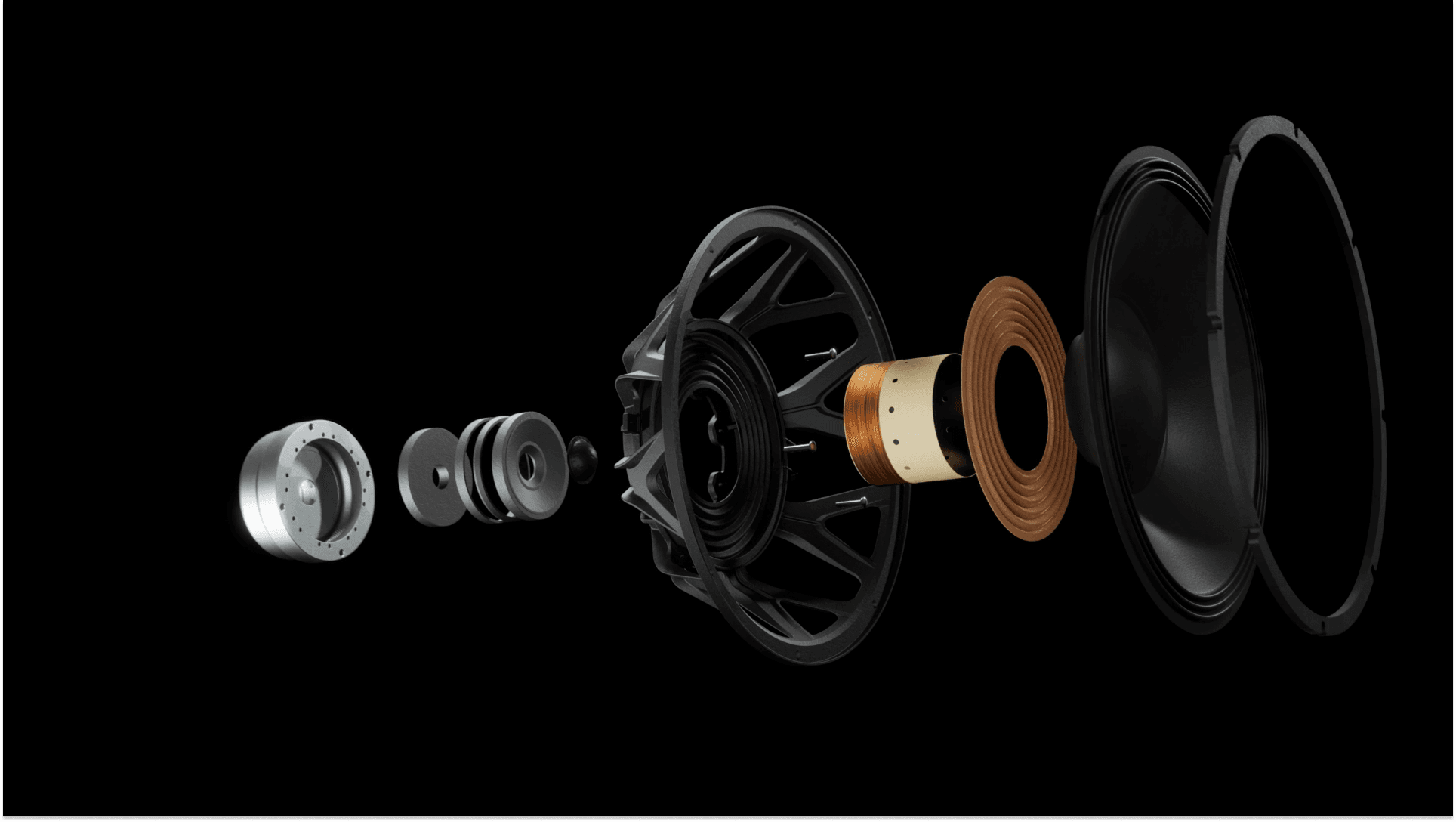
- Show technical exploded views or internal sections
- Simulate realistic lighting and materials
For complex or premium products, visual accuracy directly impacts purchasing decisions.
3. Pricing Engine (CPQ)
The third layer is the pricing engine, often integrated into CPQ systems (Configure, Price, Quote). This module:
- Automatically calculates price based on selected options
- Updates quotes in real time
- Applies discounts and pricing logic
- Generates PDF offers or formal quotations
In B2B environments, CPQ is essential for converting a technical configuration into a structured commercial offer.
Integration with business software
In advanced systems, a web product configurator is not limited to visualization and pricing — it becomes a central node of the company’s digital infrastructure. It can integrate with:
- ERP systems (production management and bill of materials)
- CRM systems (lead tracking and opportunity management)
- Ecommerce platforms
- Order management software
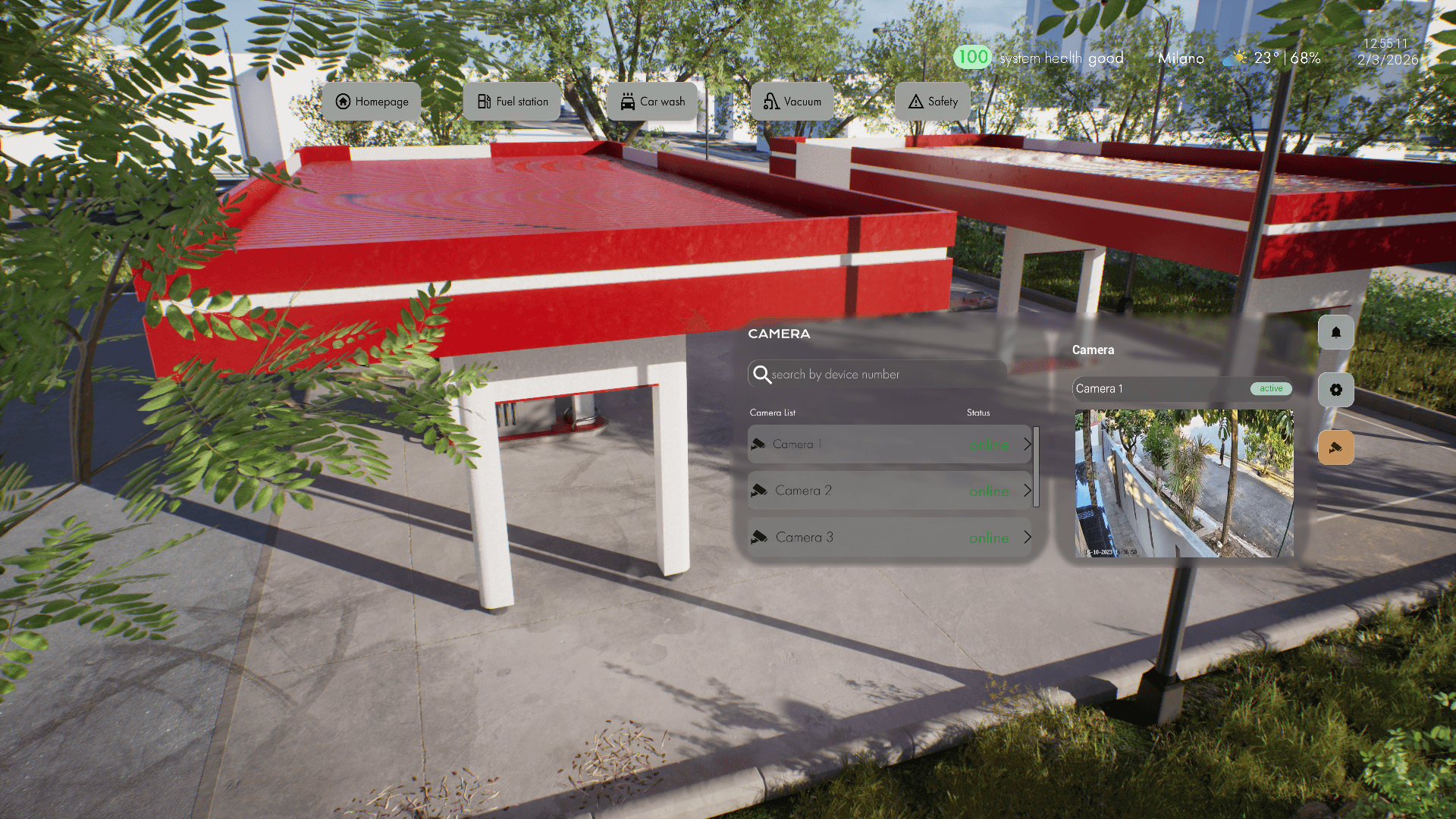
- Digital twin environments for simulation
Through these integrations, a configuration can automatically become:
- A commercial quote
- A production order
- A technical document
- A real-time generated bill of materials
This is where product configurator ecommerce integration becomes especially powerful, connecting customization directly to purchasing workflows.
Web product configurator: accessibility and scalability
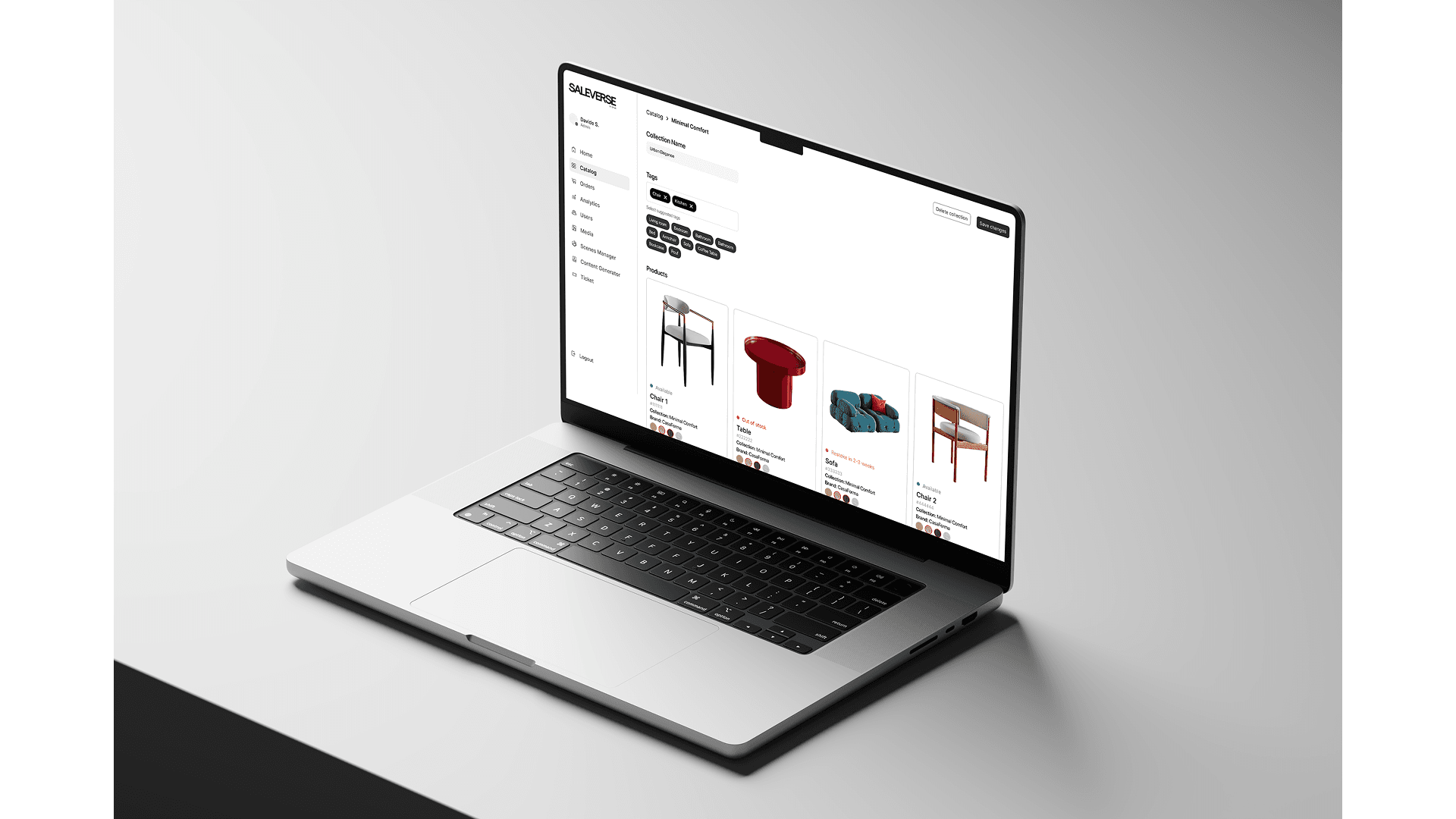
A web product configurator is accessible directly from a browser — no installation required. It can be:
- Web-based
- Mobile-friendly (smartphone and tablet)
- Desktop compatible (PC and Mac)
- Cloud-integrated
- Connected to ERP and CRM systems
Because it is web-based, updates to pricing, components, rules, or 3D models are deployed centrally and instantly available to all users. An online product configurator can also be embedded in:
- Corporate websites
- Ecommerce platforms
- B2B portals
- Trade shows (via touchscreen displays or QR codes)
From sales to production: business benefits
1. Increased conversions
Personalization increases engagement and reduces purchase uncertainty. A product configurator ecommerce integration turns browsing into an active decision-making experience, positively impacting conversion rates.
2. Reduced errors
Built-in rules prevent incompatible configurations, leading to:
- Fewer order errors
- Fewer misunderstandings between customers and technical teams
- Fewer post-sale revisions
3. Cost optimization
A product configurator tool reduces inefficiencies across the value chain:
- Fewer returns in B2C
- Fewer manual quote revisions
- Fewer production errors
- Automated bill of materials
When integrated with ERP systems, it transforms configurations into technically validated production orders.
4. Scalability
A single 3D model can generate infinite product variations — without repeated photoshoots or physical prototypes. This accelerates catalog expansion and product line updates.
5. Premium brand experience
A photorealistic 3D product configuration software enhances brand positioning. High visual quality and smooth UX communicate innovation, reliability, and attention to detail. An advanced configurator signals that a company offers not just products, but technology-driven purchasing experiences.
Industry applications
Industrial sector
Used for complex machinery and modular systems. It can integrate technical logic, generate automatic bills of materials, and support digital twin simulations.
Furniture & interior design
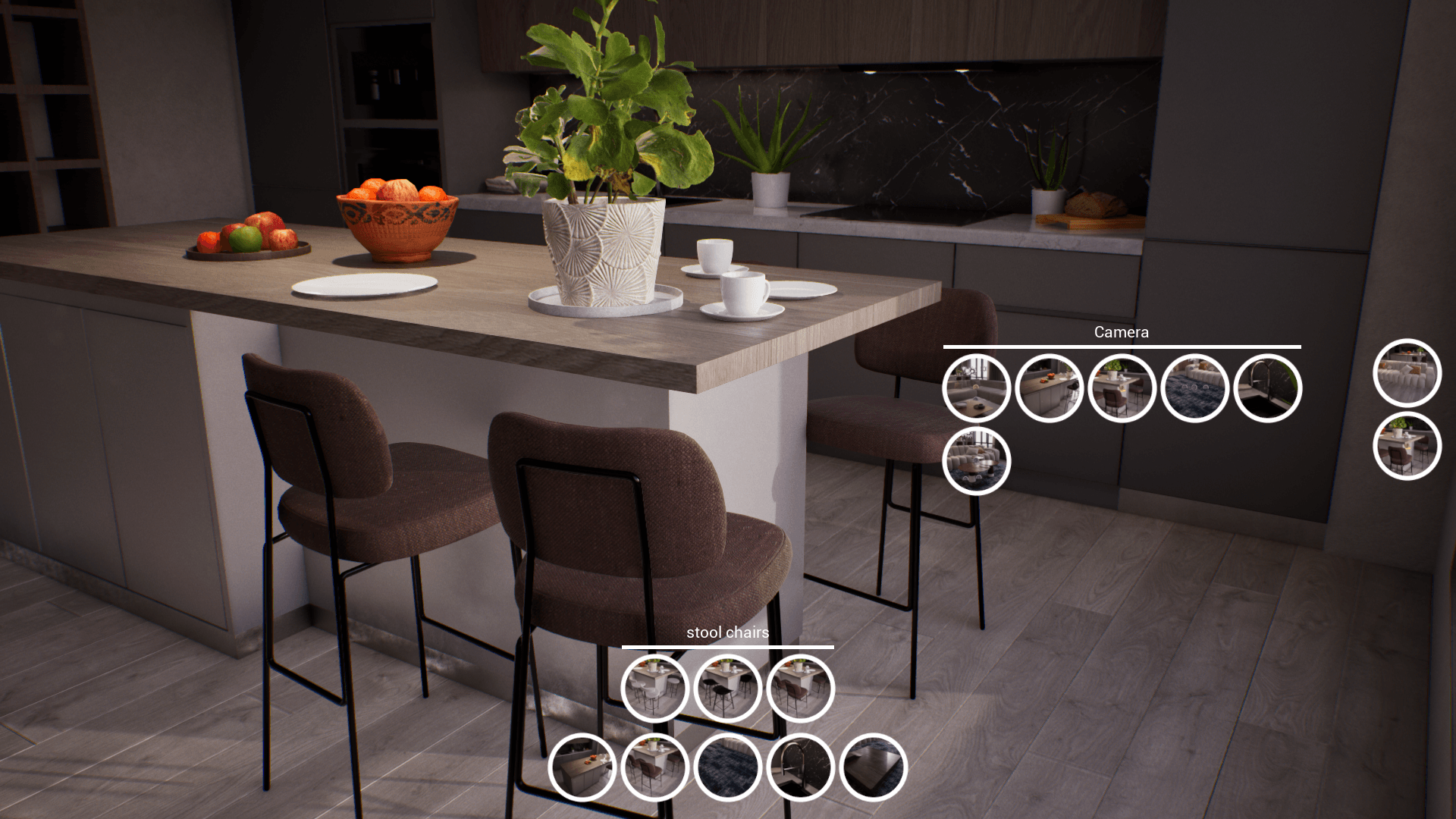
In furniture, configurators provide strong experiential value. Customers personalize materials, colors, and finishes with photorealistic visualization. Brands such as Lago have long adopted configurators.
Automotive & mobility
A standard in vehicle configuration. Integrated with CPQ and ecommerce, it generates dynamic quotes and enhances the buying journey for high-value products.
Why choose Ophir Studio for your product configurator?
Building an effective product configurator does not mean simply developing software. It means designing an integrated system combining:
- Photorealistic 3D modeling
- Real-time engines
- CPQ logic
- Strategic UX design
- ERP/CRM integration
Ophir Studio develops high-end product configurator solutions designed not just for engagement, but to drive real sales, technical demos, and complex decision-making processes.
In 2024, for example, a configurator we developed for a furniture company was featured by Al Jazeera as one of the most innovative products presented at Web Summit Lisbon — confirming the strategic impact of immersive configuration systems.
If you are still asking yourself what is a product configurator tool, or if you are evaluating implementation, Ophir can support you at every stage — from technical analysis and strategic design to development and system integration.
Contact us for a free consultation!
FAQ
What is an open source product configurator?
An open source product configurator is a customizable solution with modifiable code. It offers flexibility and lower initial costs but requires internal technical expertise for development, security, and maintenance.
What is an online product configurator?
An online product configurator is browser-based and requires no installation. It can be integrated into websites, ecommerce platforms, or B2B portals and works across desktop and mobile devices.
What is a web 3D configurator?
A web 3D configurator allows real-time 3D visualization and customization directly online, including 360° rotation, material changes, and photorealistic rendering.
What is a nautical configurator?
A nautical configurator is used to customize boats and yachts, selecting engines, layouts, finishes, and accessories. It is particularly useful for managing high-value, complex products.
Contact us!