CGI advertising: how computer graphics is transforming marketing
Learn how CGI advertising helps brands launch faster, reduce costs, and create high-impact campaigns across digital and B2B marketing.
CGI advertising: how computer graphics is transforming marketing
CGI advertising, advertising created through computer-generated imagery (CGI), is redefining how brands communicate their products, services, and values. In a landscape where audience attention is increasingly fragmented and visual content competes across multiple platforms, CGI in marketing has emerged as one of the most powerful tools for creating memorable, scalable, and distinctive campaigns.
Over the past few years, CGI in advertising has evolved from an experimental solution into a strategic lever adopted by global brands, B2B companies, and industrial manufacturers. Its ability to combine creative control, photorealism, and production flexibility has made it a key component of modern marketing strategies.
But what does it truly mean to use CGI for advertising? And why are so many companies replacing or complementing traditional production with computer-generated content?
What is CGI advertising?
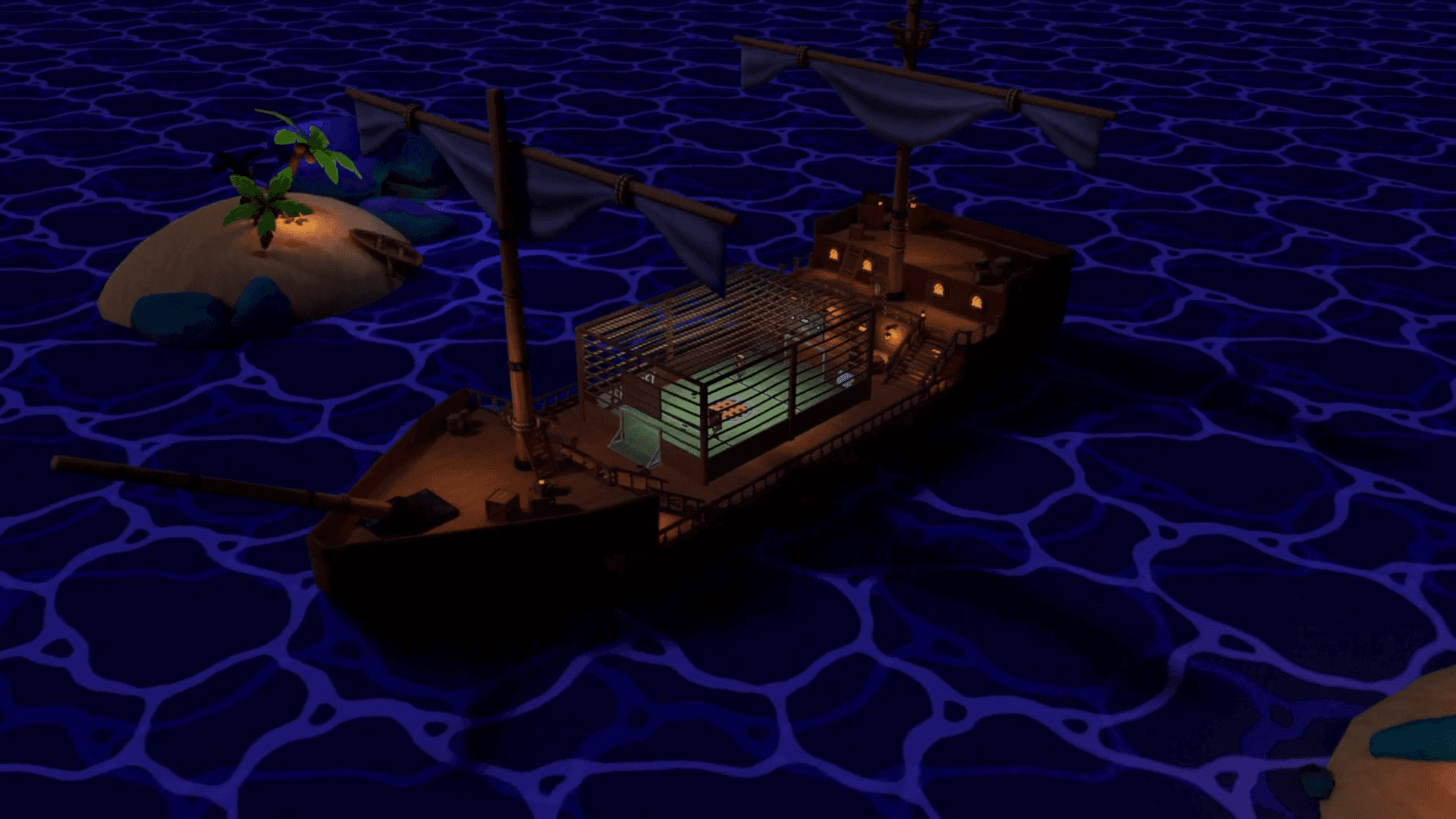
CGI advertising is based on the creation of images and videos entirely generated through 3D computer graphics processes, including modeling, texturing, lighting, animation, and rendering. Unlike traditional photography or video production, every element within the scene is digitally designed and controlled.
This approach makes it possible to represent products, environments, and scenarios that:
- Do not yet physically exist
- Would be too costly or complex to produce in real life
- Require a level of visual control impossible to achieve through traditional shooting
CGI marketing enables brands to tell highly customized visual stories while maintaining consistency and quality across every touchpoint.
Why CGI is transforming marketing
In contemporary marketing, speed and consistency are critical. CGI advertising responds perfectly to these needs by offering tangible competitive advantages.
Total image control
With CGI, every detail is fully controlled: materials, colors, lighting, camera angles, and movement. This ensures strict brand consistency and eliminates the unpredictability often associated with traditional production.

Scalability and reusability
A single CGI asset can be adapted for:
- Social media campaigns
- Digital advertising
- Websites and e-commerce platforms
- Sales presentations
- Trade fairs and events
The same 3D content can be repurposed into multiple formats and variations, reducing long-term production costs and increasing efficiency.
Faster time-to-market
CGI in advertising allows brands to launch campaigns before the product is physically available. This accelerates go-to-market strategies and supports pre-launch, validation, and investor presentation phases.
CGI in advertising: applications and use cases
Product advertising
3D rendering and animation allow products to be shown from every angle, highlighting materials, finishes, structural details, and functionality with a level of precision often impossible through photography. CGI marketing is particularly effective in sectors such as cosmetics, design, automotive, consumer electronics, and industrial manufacturing — where product aesthetics and perceived quality strongly influence purchasing decisions.
Digital and social campaigns
In social media and digital campaigns, CGI enables high-impact visuals designed to capture attention within the first seconds and stand out in crowded feeds. Short animations, loops, dynamic product shots, and visual storytelling allow brands to communicate values, emotions, and messages in a memorable way.
FOOH
One of the fastest-growing trends in CGI advertising is FOOH (Fake Out Of Home), where CGI is used to create hyperrealistic visual illusions integrated into urban or real-world environments. Although fully digital, these campaigns simulate spectacular physical installations, generating viral content, strong engagement, and significant media coverage — especially on social platforms.
B2B and industrial marketing
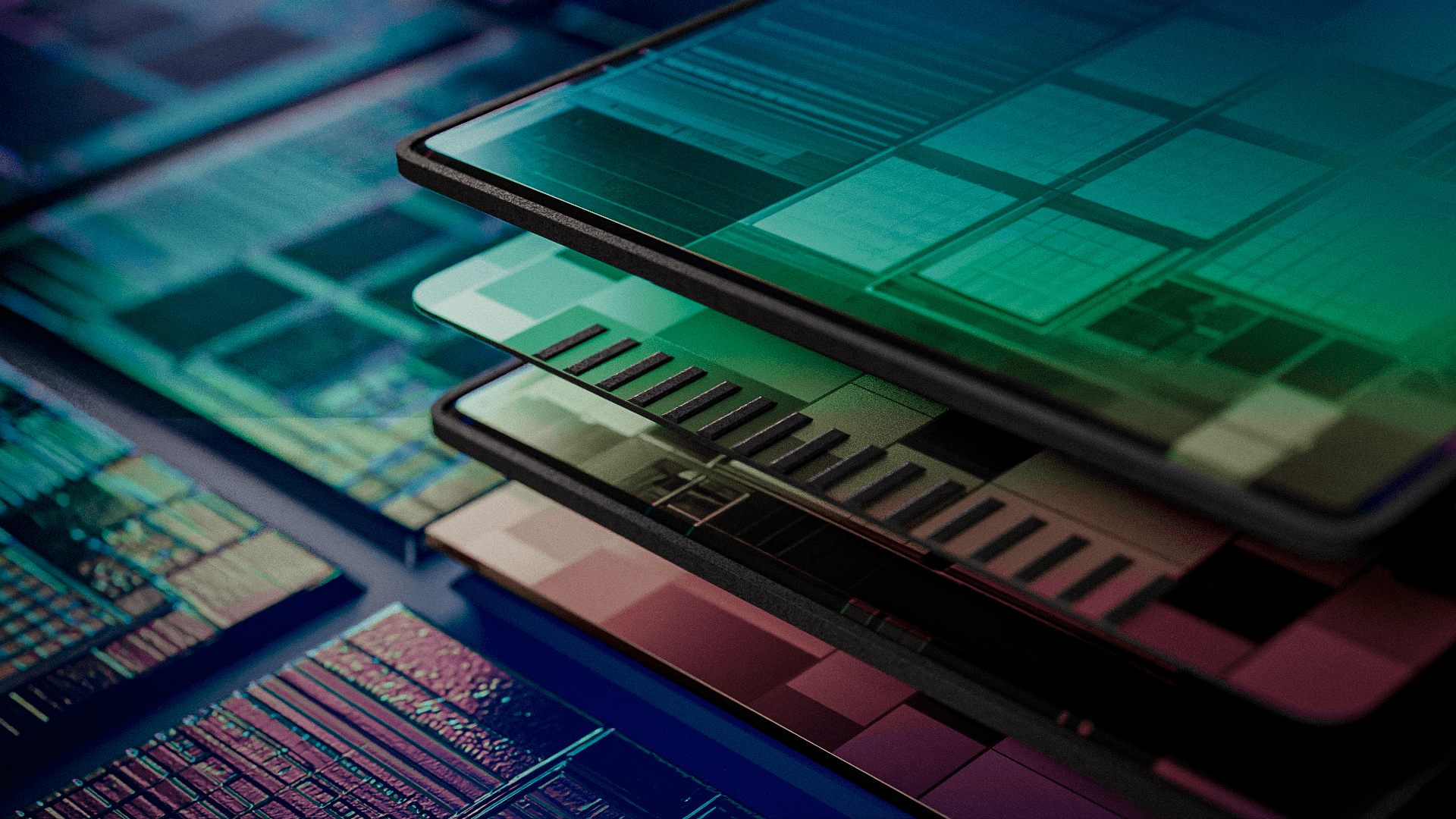
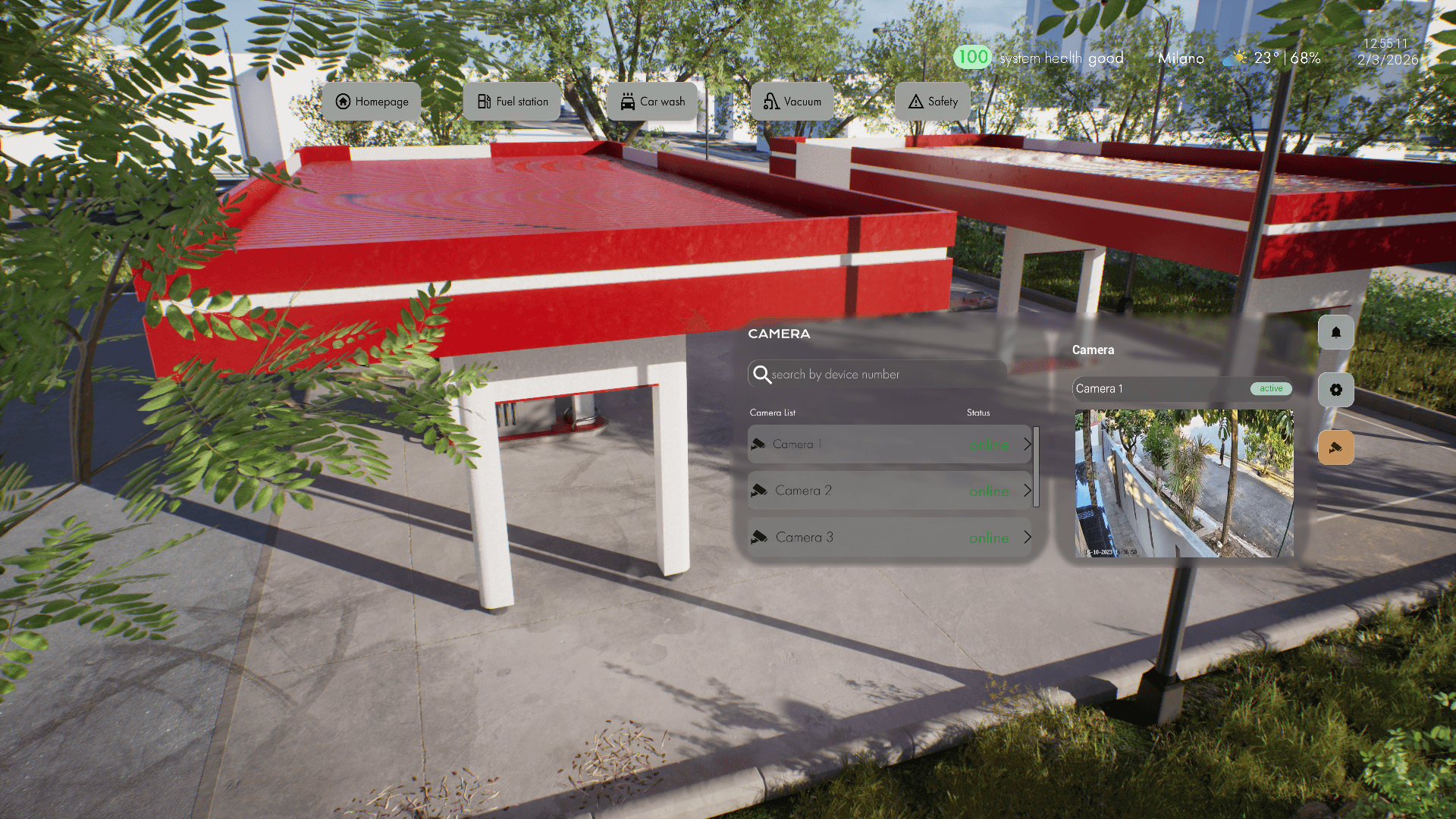
In B2B and industrial contexts, CGI in advertising is essential for visualizing what is complex, invisible, or technically difficult to explain. Through technical 3D animations, brands can clearly demonstrate production processes, machinery operations, technological systems, and operational workflows — supporting sales, training, trade shows, and investor presentations.
Strategic advantages of CGI advertising
Adopting CGI advertising is not merely an aesthetic choice. It’s a strategic decision.
Structural cost reduction
By eliminating physical sets, logistics, travel, and prototypes, CGI significantly reduces production costs, particularly for multi-market or long-term campaigns.
Greater sustainability
Digital production reduces environmental impact associated with travel, physical setups, and large-scale shooting. CGI marketing offers a more sustainable alternative to traditional production methods.
Continuous update capability
CGI assets can be updated over time (colors, variants, features) without rebuilding the entire production. This ensures flexibility and long-term content scalability.
Why professional execution matters
Despite its many advantages, high-end CGI advertising is not a simple technical exercise. It requires specialized expertise, structured workflows, and strong creative direction.
To achieve credible and business-oriented results, it is essential to combine:
- Technical excellence in modeling, materials, lighting, and rendering
- Strong artistic direction capable of transforming 3D visuals into effective communication tools
- Deep understanding of the brand, product, and target audience
Low-quality or overly artificial CGI can damage brand perception , particularly in premium or technology-driven sectors. Working with a specialized studio such as Ophir Studio means partnering with a team capable of combining technical precision, creative sensibility, and strategic thinking , transforming CGI into a real communication asset rather than a simple visual effect.
FAQ
What does CGI mean?
CGI (Computer-Generated Imagery) refers to the creation of digital images and videos using 3D graphics. In advertising, it is used to produce high-impact renders, animations, and visual content.
What is the difference between CGI and AI?
CGI is a controlled creative process based on 3D modeling and animation. AI can support certain stages of production but does not replace professional artistic direction or technical expertise.
How much does CGI advertising cost?
The cost depends on complexity and quality level. Professional CGI advertising projects typically start from several thousand euros, with the advantage of reusable assets across multiple marketing channels.
Contact us!