3D animation production: process, tools, and benefits
Complete guide to 3D animation production: process, tools, types, and benefits for marketing, sales, training, and industrial communication.
3D animation production: process, tools, and benefits
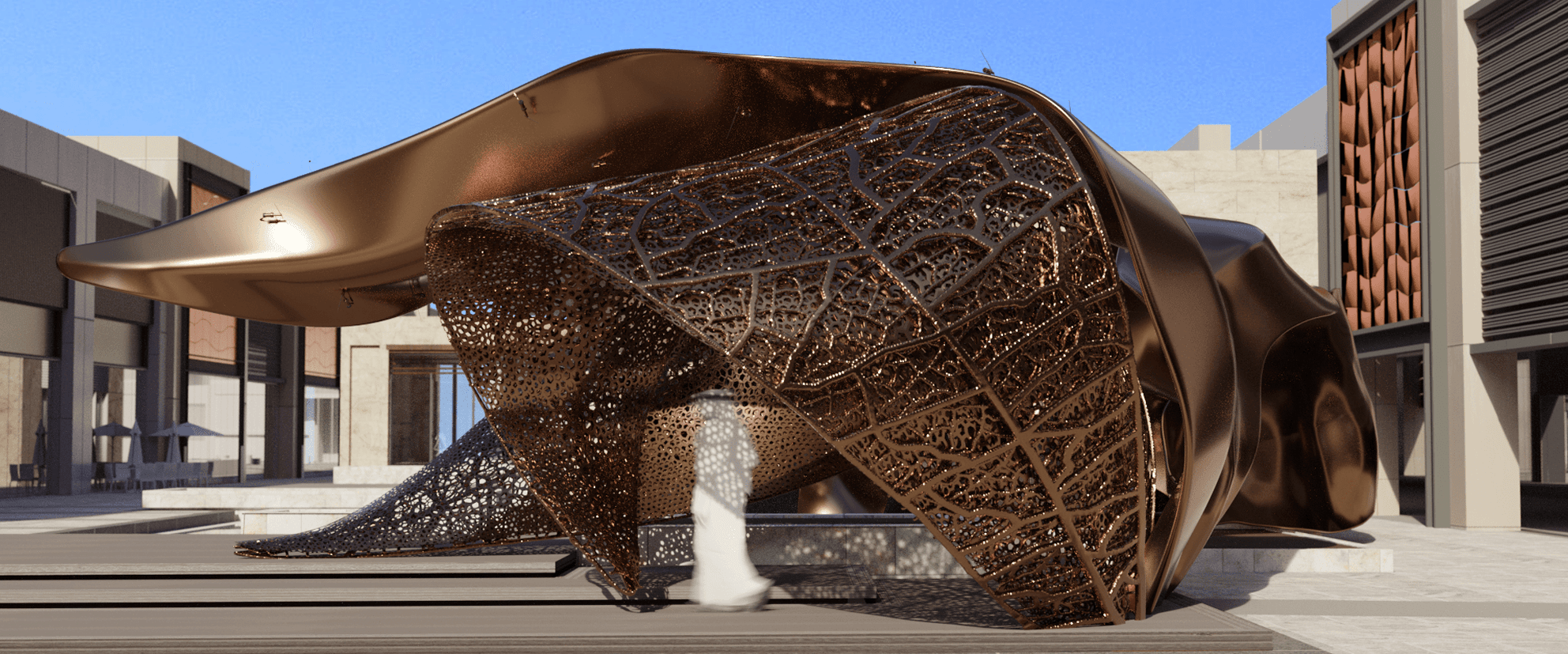
3D animation production is today one of the most effective tools brands can use to communicate complex products, technologies, and processes in a clear, engaging, and impactful way. More and more companies rely on professional 3D animation to support marketing activities such as product launches on social media, sales presentations, technical training, and B2B communication—thanks to its ability to make visible and understandable what static images or traditional videos cannot convey.
But what is 3D animation, and how is it created through a structured 3D animation process?
What is 3D animation
A 3D animation is a moving three-dimensional digital representation created from 3D models of objects, products, or complex systems. These models can be sourced from 3D asset libraries or built from scratch using technical drawings, CAD files, and engineering documentation.
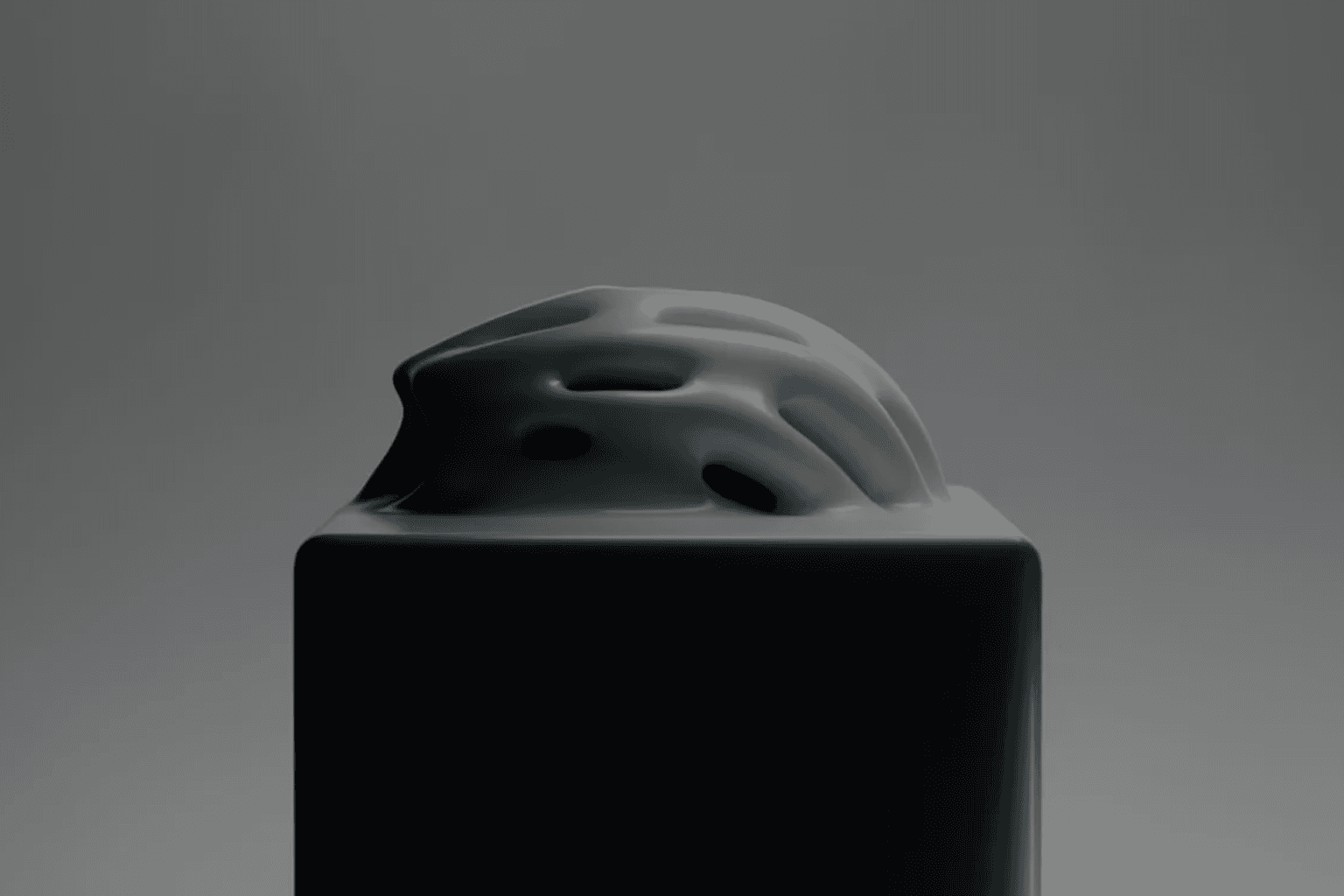
Unlike traditional video, making a 3D animation allows full control over shapes, materials, lighting, movement, and camera angles, making it possible to visualize products and processes even before they physically exist.
Where to start when making a 3D animation
Every professional 3D animation production begins with an analysis and goal-definition phase. It is essential to clarify what needs to be communicated, who the content is for, and in which context it will be used: marketing, sales enablement, technical training, or industrial communication.
At this stage, all source materials are collected, technical drawings, CAD files, visual references, and product specifications, which form the foundation for developing the animated 3D visualization. Understanding the message and value to convey is the first step in creating an effective animation.
Types of 3D animation
3D animation production can take many different forms depending on communication goals, target audience, and industry. Each type requires a specific balance between technical accuracy, visual storytelling, and communication impact.
Product animations
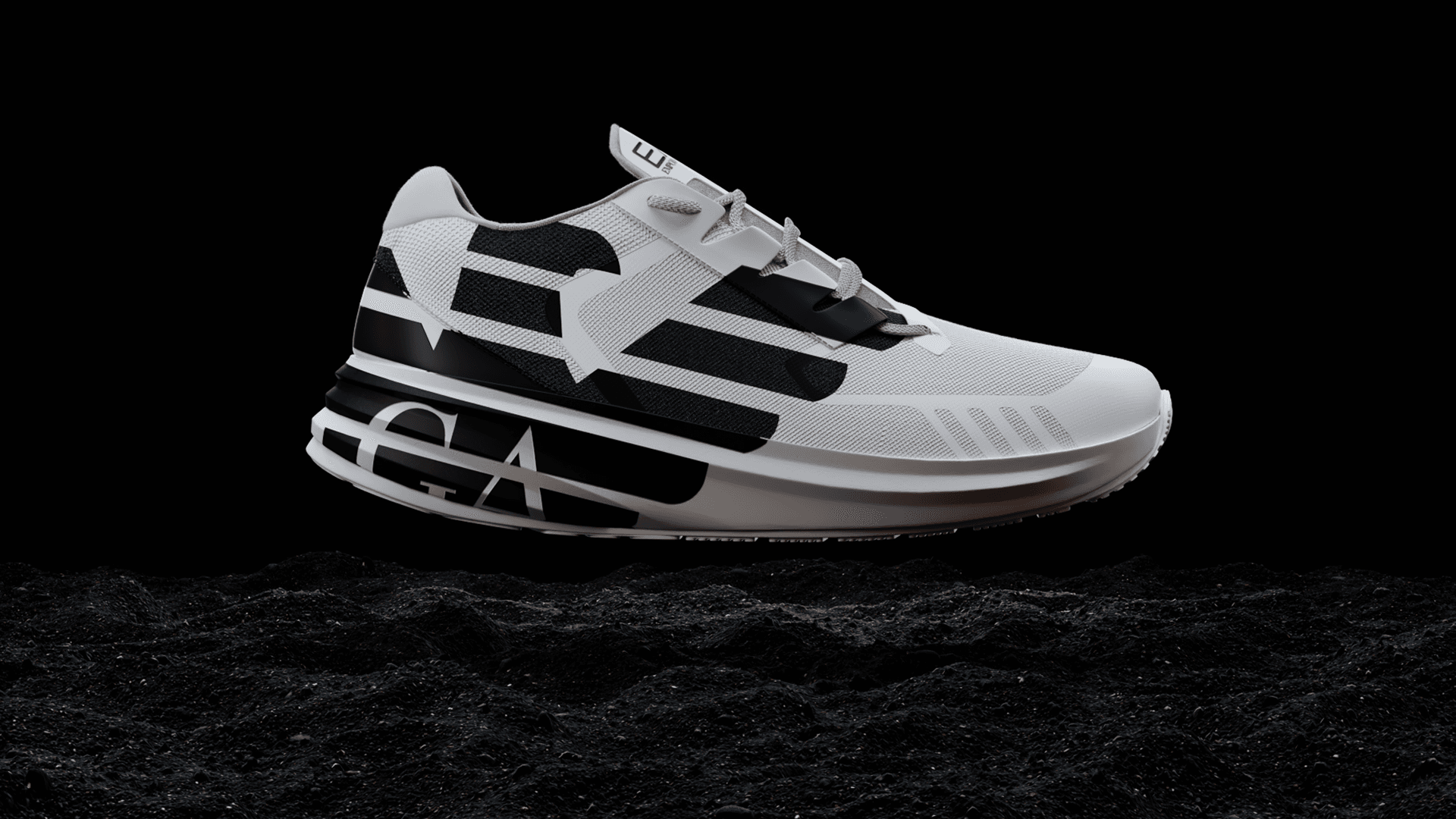
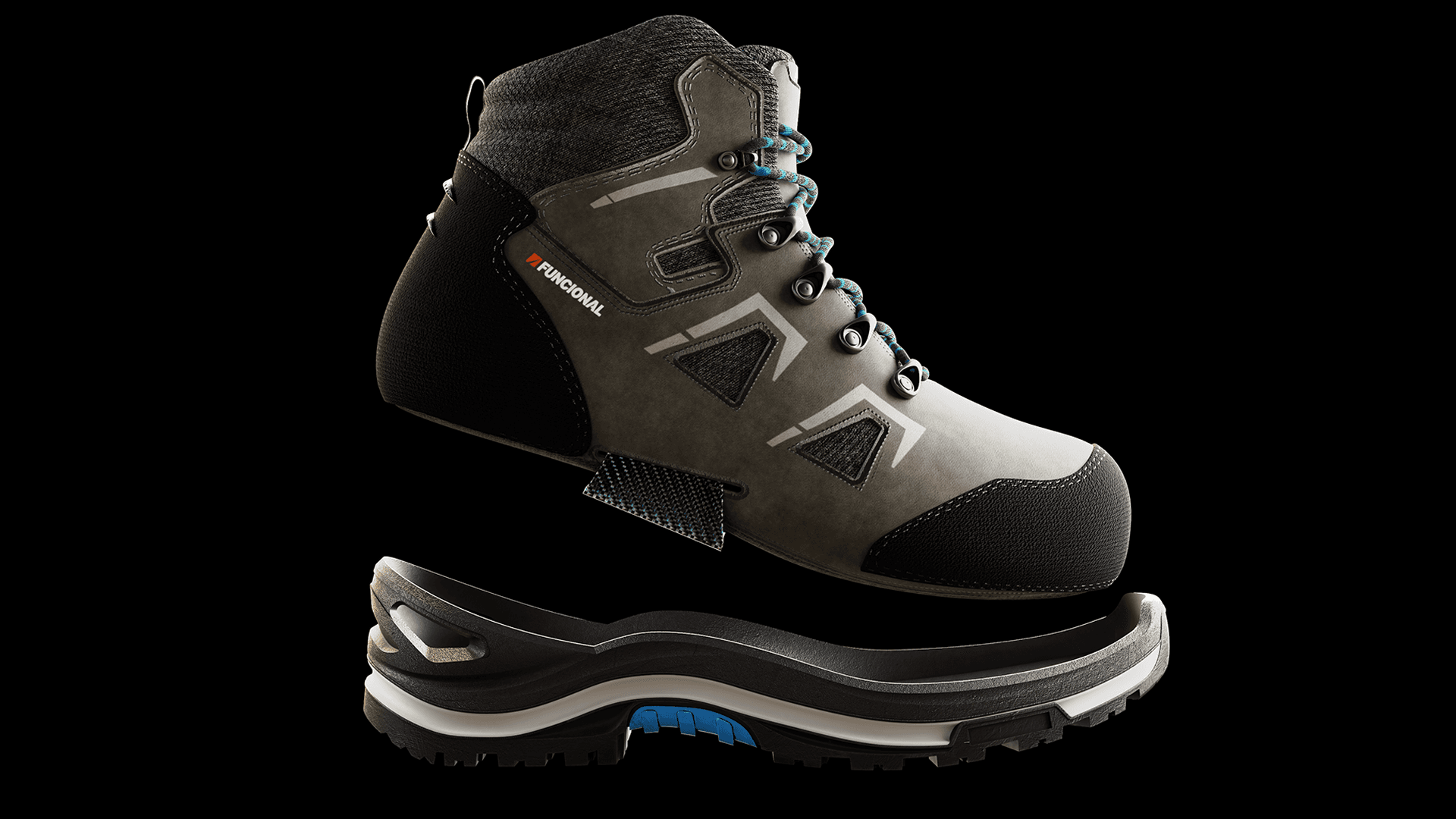
Product animations are used to present design, materials, variants, and features. They are ideal for product launches, digital catalogs, and sales presentations, as they allow every detail to be shown with full visual control.
Technical 3D animations
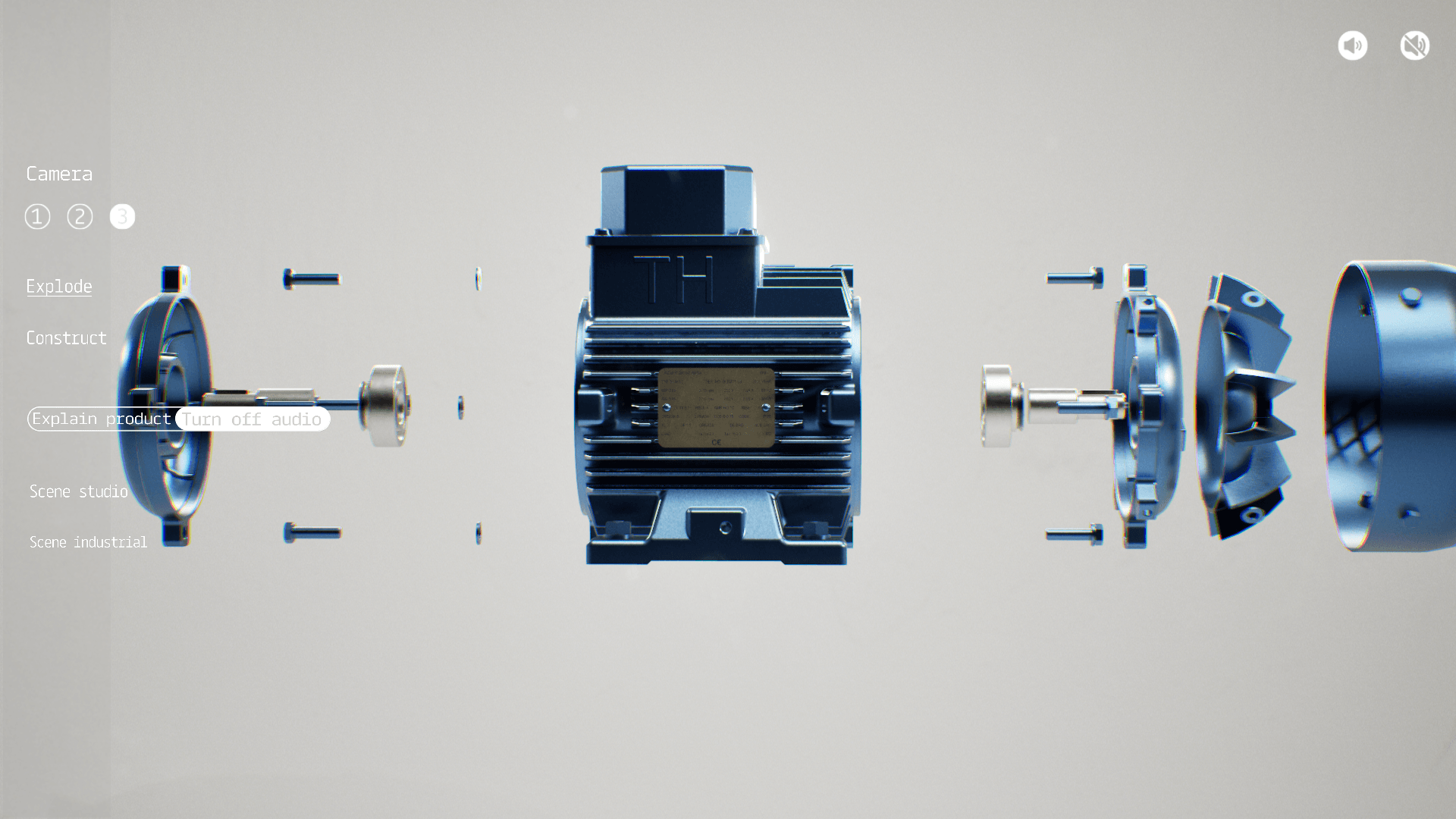
Technical 3D animations are designed to explain internal mechanisms, production processes, operational workflows, or assembly phases. This type of industrial 3D animation prioritizes precision, consistency, and technical reliability and is widely used in manufacturing, engineering, and medical sectors.
3D explainer videos
3D explainer videos simplify complex concepts, technologies, or services that are difficult to communicate through text or static visuals. They combine animation, narration, and visual metaphors to make complex systems immediately understandable.
3D animations for marketing and advertising
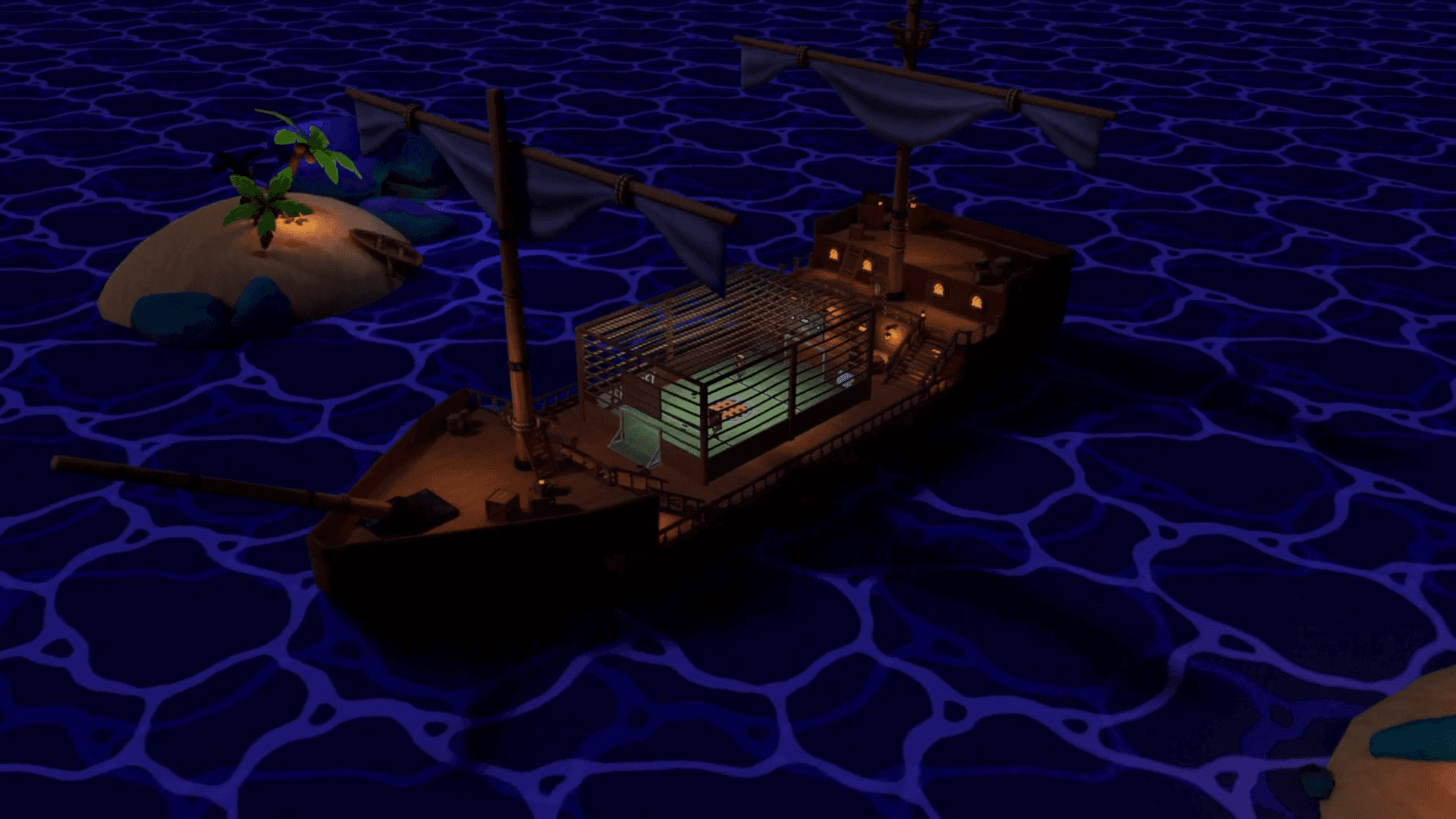
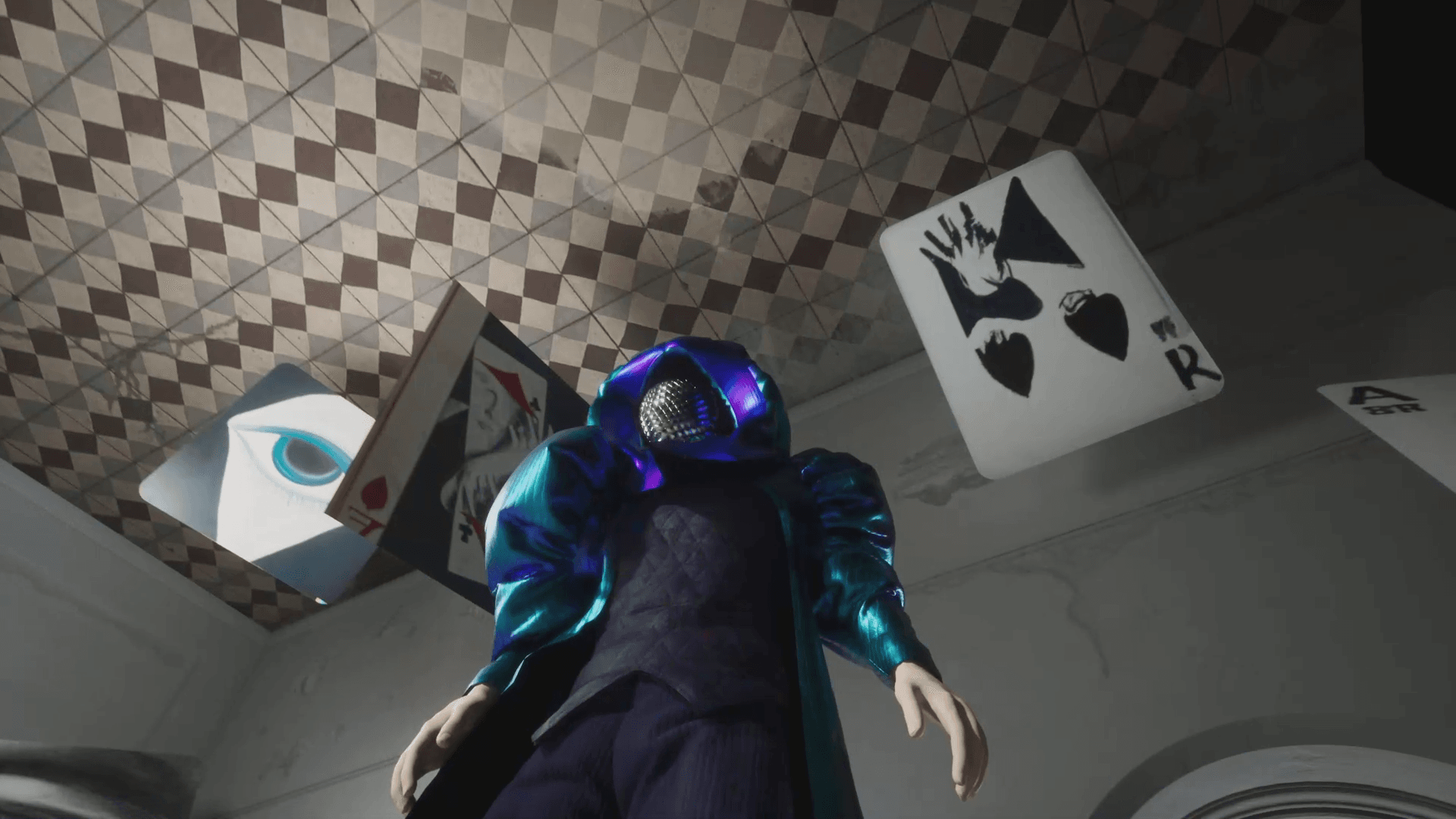
3D animations for marketing and advertising are designed for emotional and visual impact and are commonly used in digital campaigns, landing pages, and social media. In this case, aesthetics and storytelling play a central role while maintaining consistency with the product and brand.
3D animations for training and education
Used for technical training, operational instruction, and structured learning. In industrial and medical contexts, 3D animation helps reduce errors, standardize training processes, and improve understanding.
Real-time and XR animations
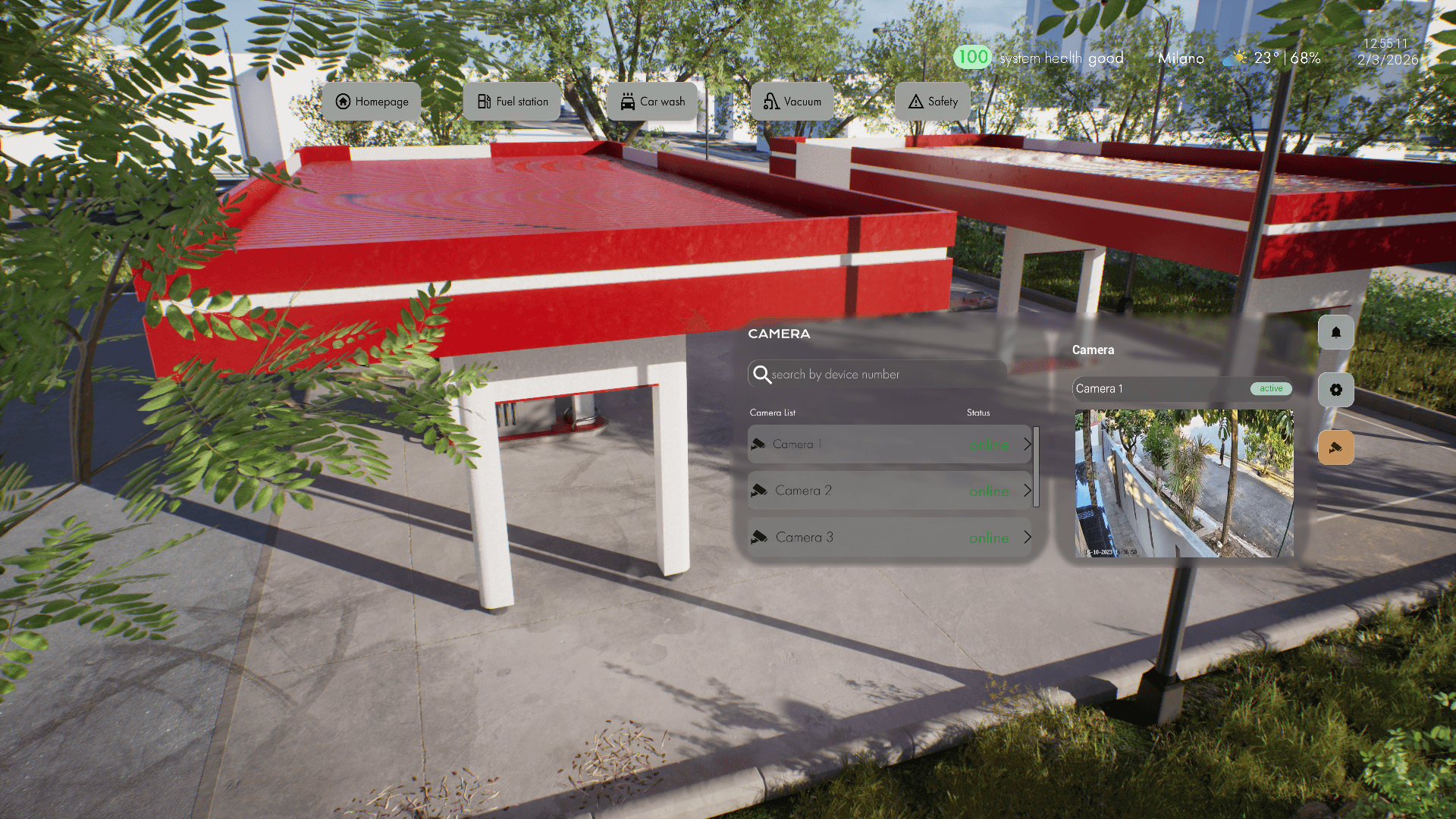
Developed for immersive and interactive experiences such as 3D configurators, simulations, virtual reality, and augmented reality. Real-time 3D animations allow users to interact directly with the content, increasing engagement and informational value.
Tools used in 3D animation production
3D animation production relies on a specialized ecosystem of tools. Software such as Blender, Cinema 4D, and Maya is used for 3D modeling, while tools like Substance 3D Painter enable the creation of realistic materials and surfaces using physically accurate textures.
The animation phase handles movement, transformations, and technical exploded views, while 3D rendering can be performed using offline engines such as V-Ray or Arnold for maximum realism, or in real time with Unreal Engine, ideal for interactive applications, configurators, and XR content. Post-production is finalized using video compositing software such as After Effects.
The 3D animation process: workflow and phases
The 3D animation process is not purely technical but a structured workflow that integrates strategy, visual design, and advanced digital skills.
Initial analysis and goal definition
Defining objectives, target audience, key messages, and distribution channels, while determining the appropriate level of technical or narrative detail.
Visual design and narrative structure
Building the visual narrative, sequences, and pacing of the animation, translating content into a clear and coherent story.
3D model development
Creating 3D assets from technical drawings, CAD files, or references, with attention to proportions, geometry, and accuracy.
Materials, surfaces, and lighting
Defining materials, textures, and lighting to achieve a realistic or stylized result consistent with the brand and context.
Animation and sequence production
Animating models in a smooth and readable way and generating final content through rendering optimized for the target channel.
Review, optimization, and delivery
Refining the project through focused feedback and final optimization for marketing, sales, or training use.
Benefits of using 3D animation
Using professional 3D animations offers several advantages over traditional visual content, especially when communicating complex products and systems.
Greater communication clarity
Animation makes it possible to show processes, internal mechanisms, and technical details that are difficult or impossible to represent with real video or static images.
Full control over visual output
Every element, geometry, materials, lighting, movement, and camera angles, is precisely designed, ensuring visual consistency and flexibility across multiple channels and markets.
Cost reduction and higher efficiency
Compared to complex shoots or on-location filming, 3D animation production reduces costs, timelines, and iterations especially when products are not yet available or undergo frequent updates.
Stronger brand positioning
An advanced and coherent visual language strengthens brand positioning as innovative, competent, and technologically reliable, increasing perceived credibility in B2B, industrial, and high-complexity environments.
FAQ
What is 3D animation used for in a business context?
3D animation is used to make complex products or technologies understandable and valuable, supporting marketing, sales, training, and technical communication. It is especially useful when a product is not yet physically available or when internal mechanisms need to be shown.
What tools are used for professional 3D animation production?
3D animation production uses specialized software for each stage of the workflow: modeling, materials, animation, rendering, and post-production. Tool selection depends on the type of content (marketing, technical, real-time, XR) and the required level of realism or interactivity.
Is it possible to create a 3D animation from CAD files?
Yes. CAD files and technical documentation are often the ideal starting point for product or industrial 3D animations. These files are optimized and converted into models suitable for visualization and animation.
How much does professional 3D animation cost?
The cost of a professional 3D animation depends on several factors: video length, product complexity, realism level, visual style, and number of revisions. Prices generally range from a few thousand euros for simple projects to more complex productions for marketing, industry, or advanced training.
How much does 3D product modeling cost?
The cost of 3D modeling depends on geometric complexity, number of components, and required accuracy. Simple models may be relatively affordable, while high-fidelity technical or industrial models require greater investment to ensure precision and reliability.
Is 3D animation suitable for social media?
Yes. 3D animations can be optimized for social media, landing pages, and advertising campaigns by adapting format, duration, and narrative rhythm to each channel while maintaining visual consistency and professional quality.
Contact us!